Lyme disease, science, and society: Camp Other
Showing posts with label babesia. Show all posts

Sunday, July 15, 2012

0 House Subcommittee Hearing On Lyme Disease

In the "this could be interesting to watch" file:

HOUSE SUBCOMMITTEE HEARING ON LYME

The Lyme Disease Association, Inc (LDA) announces that the House Committee on Foreign Affairs, Subcommittee on Africa, Global Health, & Human Rights will hold a hearing 2PM EDT, on Tuesday, July 17, 2012 in 2172 Rayburn HOB in Washington, DC. The hearing, Global Challenges in Diagnosing and Managing Lyme Disease - Closing Knowledge Gaps, will be webcast and available live via the Committee website:

http://foreignaffairs.house.gov/hearings/view/?1455

US Representative Christopher H. Smith (NJ) is chairing the hearing.


UPDATE:

Go here for NOTES from this hearing, posted July 17, 2012:

http://campother.blogspot.com/2012/07/notes-house-subcommittee-hearing-on.html


For those readers who are viewing from outside Eastern Daylight Time (EDT) zone, the following guide may be helpful:

Chicago, Illinois: Tuesday, July 17, at 1:00 PM
Denver, Colorado: Tuesday, July 17, at 12:00 PM
Los Angeles, California: Tuesday, July 17, at 11:00 AM
Honolulu, Hawaii: Tuesday, July 18, at 8:00 AM
London, UK: Tuesday, July 17, at 7:00 PM
Sydney, Australia: Wednesday, July 18, at 4:00 AM

LDA President Pat Smith will be one of the witnesses presenting testimony─problems with doctors diagnosing and treating Lyme and with patients receiving treatment for Lyme.

Lyme disease numbers have continued to rise nationwide and throughout the world, and the Centers for Disease Control & Prevention (CDC) has indicated that in 2009, Lyme disease surpassed HIV in incidence ─ Lyme was the 7th highest in disease incidence reporting. Lyme is no longer a disease of the Northeast. LDA has developed a pie chart using CDC reported case numbers for 2010 showing that 9 Northeastern states had 66% of the case reports, the remainder of the country had 34% of reported Lyme cases─ a 10% increase in disease in the remainder of the country from 2008 figures (see www.LymeDiseaseAssociation.org for pie chart). Experts have been seeing a significant increase in ticks and tick-borne diseases in 2012.

Lyme is now found in approximately 65 countries worldwide. From May through mid July of this year, the LDA had an electronic billboard in Times Square, NY, presenting that Lyme disease is found throughout the body and all over the world.

Currently, Congressman Christopher Smith has a bill introduced in the US House of Representatives HR 2557, and Senator Blumenthal has one introduced in the US Senate, S-1381, both calling for a federal advisory committee on Lyme and tick-borne disease with representation from patients, voluntary Lyme organizations, and from doctors and scientists from a broad spectrum of viewpoints on Lyme disease.

The room for the hearing will hold about 150 people and the public is invited to attend. People should arrive 45 minutes early because there are lines for security. The Rayburn House Office Building does have a large cafeteria in basement.

The LDA encourages everyone to contact their federal legislators to encourage their attendance and co-sponsorship of Us House bill HR 2557 (C. Smith-NJ). Also notify your state officials to encourage their attendance or viewing of the hearing and notify other officials such as your State Health Department officials and any other individuals that have an interest in Lyme and other tick-borne diseases. Please distribute and post this release to your websites, blogs, newspapers and any other media.

Stay tuned for an update and action on the Senate Lyme bill S-1381 (Blumenthal-CT) in the next few weeks.

HEARING WITNESSES

Stephen W. Barthold, Ph.D.
Distinguished Professor
Department of Pathology, Microbiology and Immunology
Center of Comparative Medicine, School of Veterinary Medicine University of California, Davis

Raphael Stricker, M.D.
Vice President
International Lyme and Associated Diseases Society

Mark Eshoo, Ph.D.
Director, New Technology Development
Abbott

Ms. Patricia Smith
President
Lyme Disease Association

Mr. Evan White
Lyme Disease Patient

Ms. Stella Huyshe-Shires
Chair
Lyme Disease Action


Of course, of all the speakers who will be presenting that day, I am looking forward to what Stephen Barthold is going to say...

Edited to add: Mark Eshoo may also have something interesting to say about testing for Lyme disease. Refer to this post on LNE for more information on his research: http://www.lymeneteurope.org/forum/viewtopic.php?f=7&t=4014#p30012

UPDATE:

Go here for NOTES from this hearing, posted July 17, 2012:

http://campother.blogspot.com/2012/07/notes-house-subcommittee-hearing-on.html

Read More

Wednesday, May 30, 2012

1 Multicenter Clinical Study To Test For Babesia In Blood Supply

This just released in the press by the Red Cross: The American Red Cross is participating in a multi-center clinical study sponsored by IMUGEN, Inc. to help improve the safety of the nation’s blood supply.

This study will test the blood supply for evidence of a tick-borne organism, Babesia microti, by investigational test methods developed by IMUGEN. It will be conducted under Imugen’s Food and Drug Administration (FDA) approved Investigational New Drug Application (IND) and will include the testing of more than 26,000 blood donor specimens from Babesia endemic and non-endemic areas to define the performance characteristics, sensitivity, and specificity of the investigational test methods for blood donor testing. Susan Stramer, Ph.D., executive scientific officer for the American Red Cross, will act as a principal investigator for the Red Cross arm of the study.

No mention has been made of whether or not test methods will also supply evidence of Babesia duncani or WA-1, which is becoming a more common strain of the organism which causes the malaria-like illness.

Read more here, at the link:

American Red Cross Participating in an Investigational Study to Test the Blood Supply for a Tick-Borne Parasite in Donated Blood

With any luck, these test methods will perform well and be made available internationally.


Read More

Friday, April 6, 2012

2 Video: Jorge Benach On Tickborne Disease At Stony Brook

I came across this video on Youtube which I haven't seen mentioned elsewhere. It is a presentation by Dr. Jorge Benach on tickborne diseases, mostly focused on cases in New York State and much of it on Lyme disease - but there is also discussion on tickborne diseases in a more general sense as well.

I watched the video and made a note on topics of discussion during various points of time during the presentation which may be of interest to others.

Note that it is a little over an hour long, but you can skip the first three minutes as they are only an introduction. The last fifteen minutes are dedicated to a question and answer session with the audience - including one person who walked out because she was not satisfied with Dr. Benach's response.

[Time: 1:06:41]


11:39 Benach discusses Lone Star tick as primary tick on Long Island and that the number of cases of Lyme disease are going down in Eastern Long Island - possibly due to this tick's expansion.

16:33 Lifestyle of Ixodes tick described.

23:17 Early Babesia microti case on Long Island identified in 1970's - opens discussion on Babesiosis. Risk categories: over 50, elderly, asplenic, immunosuppressed, and/or alcoholism history.

29:00 Beginning of Lyme disease discussion... history of discovery, use of dark field microscopy for detection; electromicroscopy.

36:12 60% of patients have EM rash that is noticed. 40% do not.

37:00 Disseminated Lyme - Neuroborreliosis -20%, Cardiac disease- 5-10%, Arthritis - 60%

37:20 Secondary Disseminated symptoms - refractory to treatment - Benach does not understand what happens with chronic Lyme disease patients. Audience member brings up infection-related damage, Benach agrees with him that this is a problem - then goes back to discussing acute Lyme disease.

39:40 A rash that enlargens is clearly an EM rash. This is key to early diagnosis with a rash.

40:20 Multiple EM rash is sign of disseminated Lyme disease and requires IV or parenteral antibiotics.

40:57 Discusses spirochetes affecting the CNS and how it is similar to syphilis, and that a dementia-like form of Lyme disease is controversial. Audience member mentions person who was completely messed up by neurological Lyme disease; had CSF that was positive for Lyme disease and improved with IV treatment.

43:00 Benach thinks neurologic involvement in Lyme disease is underreported.

43:10 Explanation of Bells palsy in a child, says it is very common but not malignant.

43:57 Mentions Lyme arthritis in the classic sense. Discusses symptoms as relapsing and remitting.

44:38 Benach is under impression that most people's cases of Lyme disease are caught early and treated early due to presence of EM rash.

44:50 Epidemiology of Lyme disease in New York State and counties in NY. Benach thinks doctors in some counties are treating Lyme disease and are not reporting their cases to the state any more - they are "Lyme tired". For other counties, there is active surveillance, and the numbers are going up as more cases are new to their area.

47:00 Quip that LD now threatens politicians in Albany.

47:48 Is Lonestar tick driving other ticks away? Maybe… someone needs to study it.

48:13 Audience member asks about birds. Catbirds and robins have ticks, but don't carry a lot because they like the rims near eyes (bare skin). Birds are dead ends for the spirochetes because of their high temperature, according to Benach…

49:30 Start of Q & A session

51:38 Do people have natural immunity to Lyme disease? Benach does not think so - there is universal susceptibility to LD.

53:00 Jury still out on whether or not people have genetic susceptibility to Lyme disease. Hard to know if you are bitten multiple times if you have new instance of disease or preexisting disease because Lyme disease can last for 30 (possibly more) years in the human body.

54:40 No known existence of antibiotic resistant Lyme disease. Does he rule it out completely? No. But he states Borrelia are genetically challenged and have so few genes they need them to do housekeeping; they have a very small genome. He says there is no presence of those genes and he is 90% sure there is no antibiotic resistance.

57:09 Vaccine discussion - brief.

58:00 Pesticide soaked cotton balls used to fight ticks locally. (Damminix)

1:00 Opinion on prolonged chronic Lyme IV treatment: If  my child or I myself had a very strong titer for Lyme disease, I would use antibiotics for as long as it did good. If I did not have a very strong titer, then I would be reluctant to use antibiotics due to side effects.

Recurring arthritis and neurological manifestations come with strong serology according to Benach.

Benach leaves the audience with a confusing opinion: On one hand, he states he would not take antibiotics long term. On the other, he states that if he continued to be sick in the presence of strong serology then he would take antibiotics.

1:05 IgM doesn't drop over time in Lyme disease. We cannot culture Lyme disease easily, doesn't grow well in vitro - it is very slow growing. Only mycobacteria divides more slowly. You need 5 weeks to culture Borrelia. Benach's implication is no one would wait for those results - test is too difficult; takes too long.

More info. on Dr. Benach's research:
http://www.mgm.stonybrook.edu/benach/index.shtml


Comments:

One of my main comments for now (I may add more later) is that I think Dr. Benach is wrong about the birds.

I found this article: http://news.discovery.com/animals/migrating-birds-lower-body-temperature.html

Migrating birds can easily carry Borrelia spirochetes because their average daytime temperature is around 42.5C and goes down to 33C at night - the birds temporarily have hypothermia. They do this to save energy during long trips.

While some strains of Borrelia are sensitive to the birds' higher temperature range, some birds are actually conducive of supporting Borrelia spirochetal infections. Catharus fuscescens is one example.

See: http://jmm.sgmjournals.org/content/47/10/929.full.pdf

B. garinii, at 41C has the highest growth temperature on record. However, just because Borrelia stop growing doesn't indicate it is not present. Under varying temperature conditions, some Borrelia may be able to survive.

Another comment is that Dr. Benach mentions that Borrelia burgdorferi does not show signs of antibiotic resistance or genes for antibiotic resistance mechanism.

However, there are some spirochetes which have been resistant to erythromycin, and there is now some evidence of an antibiotic resistance mechanism in Bb: http://www.plospathogens.org/article/info%3Adoi%2F10.1371%2Fjournal.ppat.1000009


Read More

Friday, March 23, 2012

0 Babesiosis Fatality In Australia

Earlier this week, the Australian television show Today Tonight aired a story about a 56 year old man from New South Wales who died from Babesiosis. There is some concern by others that the man contracted the infection within Australia and not overseas, though more evidence is needed this is the case.

Babesiosis is a tickborne illness caused by a protozoan parasite, Babesia, which infects red blood cells and produces symptoms which are similar to those found in malaria. It can be subclinical and cause no to mild symptoms - but it can also lead to moderate and severe symptoms. And sadly, as we've seen - even kill people.

People who are most likely to have severe symptoms are the elderly, those with compromised immune systems, and those who do not have a spleen.

I know firsthand what Babesiosis is like because several months after I was bitten by a tick, new symptoms showed up in me which were indicative of an infection with Babesia. I also was fortunate to get a positive blood smear - not something which is easily accomplished in the lab.

The most obvious symptoms I experienced were an ongoing shortness of breath with the sensation of a vice-like grip around my ribs, breaking out into sweats at night, "flash" fevers, and anemia. There were other less known symptoms as well, but these are among the most common. Fortunately, I think (I hope) I have beat this coinfection, and it has not beat me.

As it stands, the United States has seen a number of its own deaths due to Babesia, and according to an article in the New York Times, in coastal Rhode Island, the number of cases of Babesia are around 25% less than those of Lyme disease - in an area which is highly endemic for Lyme disease. And not only is Babesia becoming quite common in northeastern states - it's spreading to the northern midwest as well and was already found on the west coast.

One important thing to be aware of is not only can Babesia be transmitted by ticks - it can be spread through the blood supply via donations and transfusions. Thus far, there are twelve people who have died from Babesia spread through blood transfusions in the US. It is unknown, though, how many people may have been infected with Babesia through the blood supply and currently carry a more subclinical infection that may become more evident later.

There is currently no blood screening test available for donations and transfusions, and research is underway to develop such a test to avoid spreading more Babesia through the blood supply. So I highly recommend that if you have to get surgery and know this in advance, that you blood bank your own blood in preparation in case you need a transfusion.

You can view the dramatic video of the Today Tonight story here [4:46 minutes, plus short ad]:


Read this link for a full transcript of the show:

http://au.news.yahoo.com/today-tonight/latest/article/-/13207421/tick-timebomb/

For more information about Babesia and Babesiosis, check out these links:

Specific to Australia: http://lymedisease.org.au/about-lyme-disease/babesiosis/

About the Lifecycle: http://www.stanford.edu/group/parasites/ParaSites2006/Babesiosis/lifecycle.html

About Treatment: http://emedicine.medscape.com/article/780914-treatment


Read More

Wednesday, February 29, 2012

12 A Personal Note From A Fellow Lyme Patient


I was going to work on a page about the Lyme disease controversy which incorporated some of the discussion about Embers et al Rhesus macaque study on the Lyme Policy Wonk blog or post something about how Viral Genetics' chronic Lyme disease treatment is supposed to work.

But I've decided for now to set that aside because now I have something to say about something more personal.


Recently, someone mentioned me online in a Lyme disease support group forum and stated that my ability to knock out 1,000 word rebuttals and look up all this research made other people with Lyme disease look bad.

I took exception to that statement, and disagreed with it.

It wasn't all that long ago that I wasn't even able to write and do research, and it wasn't until I had been treated for Babesia by my LLMD that I began to see a difference in how quickly my mind worked.

When this change took place, I wanted to take advantage of it.

I felt compelled to write and do research because I finally could do so again and I was afraid I would relapse again any day. I feared I would return to some muddy primordial brain soup that couldn't string other people's sentences together and would put down a book after two minutes of frustrated repetition that looked like reading but really wasn't.

Relapse when? Who knows. I'm still afraid of my old symptoms returning and losing ground. Relapse happened to Pamela Weintraub. Relapse happened to others. And I've already relapsed once from about 85% of my original baseline.

I was so close. So, so close to feeling normal again. And then I lost what I had gained.

I'm not 100% now and I'm not at 85% again - however, I'm still better off than I was over a year ago.

This writing I do here and other places online? It isn't a game to me. At times it has been a genuine challenge. I've done it while having headaches and muscle pain and joint swelling. I've done it in the middle of episodes of fatigue and to avoid standing up due to vertigo. I've done it at 3 am. I've done it after waking up after being crashed out for hours because I'd been in the ER all night.

It's true that I do a lot of research. And it's not hard to do because it's what I used to do for a living. To some degree, it's force of habit and was easy to return to once I was able to understand what I read again. And I'm trying to reeducate myself and learn new things so that I have a better understanding of what I write and share with you.

But just because I do this does not mean I am capable of returning to my old job. Even if I can read and write, my health is so unstable that employment has not been possible during this time. Employment requires stability.

My brain - while functioning in some ways - is not fully running on all cylinders in others. It's just not obvious how it isn't to someone who isn't living life inside my skin every day.

Care for the rest of me outside my brain can be time consuming.  Case in point: I just looked on my calendar for February to see how many appointments I had. If you add it all up, I've had 5 appointments for different health problems - either to follow up on an already existing condition or to check up on a new one.

Many if not most of my friends without Lyme disease haven't seen a doctor within the past year.

That used to be me. Not any more.


When it comes to blogging online, I think it's a great thing: In some small way, this has been my slice of "normal". No one could see how impaired I have been and how bad things can be.

Perversely, having my capability for research and writing online being pointed out by a near-total stranger is satisfying: It means that I pass as being more normal than I truly am to someone in a world where the dominant paradigm of normal = healthy - even when I'm part of a community where it's normal to not be healthy and one faces challenges daily. But it can be demoralizing and confusing to read the accusation attached to it that my doing my best is somehow reflecting poorly on others.

I'm not doing research and writing about Lyme disease to make other patients look bad. I've been doing it because it's one of the few things I've been capable of doing from my sofa during the past year. 

I've been doing it because I want to learn as much as I can about this disease and topics related to it.

I've been doing it because maybe what I learn and share with others can help them, somehow, in some small way.

I've been doing it to educate people about Lyme disease and other tickborne illnesses.

I've also done it because it keeps me saner than I otherwise might be after all I have been through. It distracts me. It gives me a goal to live for other than to drag myself through another appointment, another blood draw, and another tedious stack of paperwork.

I've been trying to do something positive with the situation I've been placed in against my will, and implied assumptions about my health and reasons for writing long rebuttals or doing research are about as useful to hear as hearing a statement such as "those with chronic Lyme disease only suffer from "the aches and pains of daily living" is useful to hear: It isn't.

And when it boils down to it, a remark about my being a bad example for knocking out long posts online doesn't even make sense to anyone when so many other patients - including ones with other medical conditions which are disabling - spend at least as much time reading, writing, and posting online as I do.

If I've actually improved - if I've actually been doing better than I used to be doing - that is a good thing. When anyone else shares the news that they are doing better, I tell them I'm happy for them. I don't tell them they set a bad example. That doesn't make sense.

A lot of us struggling with disabilities are in the same boat. Former lives are broken and may not come back together the same way again. It sucks, all the way around.

I don't know what the future holds.

In the meantime, though, I am going to make good use of this time to research and write if I can, and do the best I can do at what I'm capable of doing.

How can anyone salvage something out of this situation? You do the best you can.

I encourage you to do likewise. Life is short.
Read More

Friday, January 27, 2012

11 Rant: Why Dealing With Lyme Disease Drives Me Crazy. (Part 1)

Note: The content that follows is part one of a personal rant and is atypical of most content as well as context covered by this blog. 

I've been meaning to write this entry for a long time.

Many attempts have been made before this - many which have been scrapped because they neither met my general standards for publication nor managed to convey what I wanted to express.

 But I have to get it off my chest because face it, I've been dealing with this condition and its complications for years now and every so once in a while I've gotta just let it all rip, Camp Other style.

Why Dealing With Lyme Disease Drives Me Crazy

Where do I even begin?

Let's start with the more obvious, from a patient's perspective.

1) Because the lack of early diagnosis and treatment occurred for something which should have been obvious to not only the first family doctor who saw me - but the second one. 

I had a textbook case of Lyme disease: EM rash, history of a tick bite, and symptoms consistent with a Lyme disease diagnosis. I knew the geographic location in which the tick had bitten me because I found the tick within a day of hiking in an endemic area. The state health department and university researchers knew it was an endemic area.

The index of suspicion should have been high, but I was treated dismissively and told that Lyme disease doesn't happen in my state or the area in which I'd been bitten.

Admittedly, I myself did not know how endemic the area was for Lyme disease until after I received my bite and went to my first doctor's appointment. It's after that point when I decided to look it up, and discovered the doctor had made a mistake. People are human and doctors are human and make mistakes, but for me this has been a very costly one - the doctor I saw should have known more about surveillance and epidemiology in the area than I did.

The second doctor had an opportunity to see my larger than 5 cm expanding rash and still thought I just had a sinus infection. When I brought up that I thought I may have Lyme disease, the doctor ran an ELISA -  but this testing was too early to show an antibody response. What the hell, I already had an expanding EM rash - I was treatable on that count alone. Again, a sign of ignorance about the disease, even from a basic IDSA/CDC/State health department point of view.

After having read many other patients' stories about having had a similar experience, I can only suggest that doctors need more education about tickborne diseases and to be more vigilant about immediate treatment as the risks of early treatment are far less than managing complications that come from disseminated and late stage infection.

 2) Because of the lack of a timely and accurate diagnosis and treatment by a family doctor, I ended up seeing an LLMD for diagnosis and treatment.

After my initial research of Lyme disease, of course I came across information about the controversy in Lyme disease and both information singing the praises of LLMDs and how they saved patients' lives as well as information condemning them for their overpriced fees, lack of taking insurance, rude support staff, difficulty in getting appointments, and unproven protocols. I heard both sides from patients. I also got to hear criticisms about LLMDs from some science writers and medical professionals about how their diagnostic and treatment methods were not well supported by science and that LLMDs were only out there to take advantage of the gullible.

I got an earful early on, believe me. But despite hearing the negative reports, I still found myself in the position of having to make my own decision as what to do next and soon, because I was so sick.

I had to do something. I could barely think straight at the time. I was so ill I could barely follow someone else's conversation. I could only read in very short spurts. I was exhausted, in pain, could not work, and could barely take care of myself.

I had to network with people and figure out what I was willing to do. I had to rely on others' suggestions and concerns more than I usually would simply because I had trouble thinking straight. It was rough going.

In time, I realized not all LLMDs were cut from the same cloth and I already knew why I was sick - so controversy or not, I was going to go where I knew someone would help me. If an LLMD was going to treat my Lyme disease and the doctors I'd seen at my supposedly highly rated clinic weren't, I was going to see an LLMD. Simple as that.

At the time, I didn't want to get involved in the controversy at all - even as I felt sympathy for everyone dealing with long term symptoms. I thought that as long as I was treating this infection early that I would be one of the lucky ones - I would take antibiotics for 3-4 weeks and not have to face persisting symptoms.

However... I was wrong. Only I didn't know it at the time. My infection disseminated fairly quickly early on and I was already sicker than others who had acute Lyme disease and received treatment early. I developed symptoms of a coinfection later on that I would not have known to look for or even suspect. The LLMD did suspect this coinfection, then ran tests - for which I was positive - and as a result, I was treated for it and my symptoms improved.

I am still in less pain than I used to be and some of my symptoms completely disappeared from this treatment, so I think there were measurable gains and seeing an LLMD for treatment was the right thing to do when I did it. I genuinely had Lyme disease to begin with - and if two other doctors were not treating it - then someone else damn well was going to treat it.

My question is why did I have to see an LLMD for all of this when a well-trained family doctor should have known from day one what was wrong with me and treat it back then?

Maybe in my case, weeks or a few months of not having treatment or having inappropriate treatment made all the difference in the world for my outcome. The earlier the better, they say. And I could have had that and sidestepped this mess had the family doctors I'd seen earlier on knew what they were looking at and got right on top of it.

3) Because for some reason, having a Lyme disease history is either not calculated into any new symptoms I present to most doctors (both family practice and emergency medicine) and each symptom set I experience is either attributed to something entirely new and separate - or I am told that there is nothing the doctors can do for me (not even palliatively).

Again, I see this response as a lack of education of the doctors in question. I think that doctors have to take into account that even if they themselves do not believe in a chronic infection model of Lyme disease which the Lyme disease patient community supports - that they need to at least consider that the patient in front of them with a history of Lyme disease may be suffering complications related to having had the infection, and to consider the possibility of a coinfection or relapse of a coinfection where symptoms appear to overlap.

If Babesia is a growing problem in our national blood supply and has killed people through transfusions, it seems important to me to rule out Babesia in patients whether they have a mild presentation or a serious one. The risk to everyone's general health is involved.

Sometimes I think it is not just a lack of education which prevents family doctors from dealing with Lyme disease patients. Sometimes it's a matter of fear of not having enough expertise and making a mistake, and not knowing to whom one should refer a patient. If family doctors were better trained to begin with, though, then they could gain that expertise themselves and be the front line for diagnosis and treatment as most patients expect them to be.

Other times, I think part of the issue is that some doctors have decided to overgeneralize about what they read from various medical journals, letters, and reviews, wherein the author states that at least half of those patients claiming they have chronic Lyme disease never had Lyme disease in the first place. Once having digested that nugget, the doctor then may go on to think that a patient who tells them they either have or have had Lyme disease that because it's at least a 50/50 chance the patient never had it in the first place that it is data not worth considering.

Given the growing number of documented Lyme disease cases reported to the CDC annually, I'd like to suggest to these doctors that they nip that thought in the bud and just look at each patient as an individual and consider that their Lyme disease history may play a role in their current symptom set. They don't even have to enter into the controversy to go there.

4) Because of the changing face of the medical profession and doctor-patient relationship in an era of managed care, anyone with a chronic or hard-to-define illness is getting shortchanged these days - and sadly, at times readily receiving a mental illness diagnosis when the evidence for one is weak at best (or at least not the primary cause of their symptoms). 

After reading many different patient forums - not only for Lyme disease, but for conditions like fibromyalgia and CFS/ME or even rare, orphan illnesses which most people do not know anything about - I've seen this happen time and time again: Doctors trying to nail down a diagnosis for a patient within that 10-15 minute appointment window, and when there seems to be "too much going on" for the patient, the immediate suggestion by the doctor is that the patient's condition could be psychological.

Now, I acknowledge that a number of physical symptoms are related to depression and anxiety, as well as chronic stress. And if one is suffering from these conditions, they need to be recognized for what they are and receive proper care. However, I think some doctors are too quick to make this judgment and need more time to listen to patients and create a list of non-psychological physical, endocrinological, infectious, and/or immunological disorders and conditions to test for first before referring patients to a therapist.

Or if the person is obviously psychologically ill, to at least consider a biological basis for that illness or that it may be contributing to it. There is no reason not to run tests while referring one for therapy just to deal with the frustrations of being ill, either - and a caring, compassionate doctor will know how to finesse the situation so that both physical and mental bases are covered without being dismissive towards their patients.

For what it's worth, my family doctor has not diagnosed me with a mental illness. I myself have sought out therapy for depression while dealing with illness - and of the two therapists I have seen, both have told me to keep talking to doctors because it's their assessment I am physically ill and disabled and any depression I have stems from my health - not the other way around.

The biggest problem I have had with being told "it's all in your head" came from ER departments who could not figure out what was wrong with me in the handful of hours that I was there.

5) My treatment has not led to a full recovery or even closer to a life where my symptoms are stabilized.

Some patients within the Lyme disease community have gone off on me for what I'm about to say, but it's an honest assessment about where I am: I have come to accept that I may never regain my former health again and be 100% cured of the symptoms I'm having.

I don't have any expectations that I can return to my old life and do what I used to do and have the same amount of energy I once did. Even if I could be assured of being cured now, there may still be residual damage in my body - plus I am getting older and my body has been deconditioned by years of nearly total sedentary living.

At times I have felt like I've been fed a false hope that I could recover 100% from treatment, because I have certainly tried a lot, above and beyond what the original IDSA Lyme disease treatment guidelines stated. I have not fully recovered, and it's already been several years since I was first infected.

While I do what I can within my limits to try to stretch and improve my health to the degree that I can, I'm aware that there is so much that isn't known about or understood about my condition that it doesn't seem unreasonable to me that I may not get back to my previous state of health before the tick bite.

About the best thing that has helped me was Mepron for Babesia. It helped take care of a number of the most debilitating symptoms I've experienced. But everything else has either resulted in temporary gain or made me feel so much sicker for a longer period of time - that for months at a time, I actually feel much better doing nothing at all.

This is not to say I will never try anything again. It's to say that I want more evidence that the next thing I try is going to make a positive difference and have a good idea of why and how it is going to make a difference. But it seems to me that as time goes on, I still have bad days and less bad days and occasional good ones regardless of what medications or antibiotics I'm taking.

My experience leads me to believe that I either have permanent damage or long term damage that will take years to heal - or that the proper treatment for my condition has yet to be discovered. This is one key reason why I think more research - particularly treatment trials - is important.

6) Because there is a lack of societal and institutional support for someone suffering from my condition, as well as the lack of a streamlined process for acknowledging and supporting how my condition disables me - a condition which should receive official recognition as a disability.

Mainstream medicine has societies for cancer research - multiple societies including ones for specific cancers. It has workshops and support groups for cancer patients. It has programs on nutrition and cooking for cancer patients on site at hospitals and clinics. There are large scale races for the cure and other fundraisers. There are conferences on cancer which some patients are invited to - and some not. And there are many oncologists and oncology staff members and therapists who specialize in dealing with the issues cancer patients face. So on an institutional level, the need for support and education for cancer patients is recognized and accommodated.

When it comes to other doctors' attitudes about oncologists, they do not envy their jobs and have respect for the difficult job they have to do. Being a family doctor, you are more likely going to see minor problems you can fix and not have to watch someone die of cancer before your eyes.  So there is a certain amount of personal and professional respect from many doctors towards oncologists just because of what they have to deal with on a daily basis.

From the perspective of someone who has had post treatment persisting symptoms of Lyme disease (however you name or characterize my condition) I have felt marginalized and that the kind of support I could use has been lacking.

There is nowhere near the infrastructure available for someone with my condition that there is for someone with cancer. If it weren't for some online forums, a few LLMDs, and a few organizations that bend over backwards to recognize that my condition is debilitating - there would not be anyone at all to acknowledge and validate my disability.

I deal with a condition where the doctors - LLMDs - who try to treat patients like me do not receive respect from a number of other doctors, some researchers, and some members of the media. And as patients we will continue to see these doctors not because we are gullible - but because they are actually trying to help us.

If those whom disrespect them have an issue with this, then instead of knocking the doctors who see us and the treatment we undergo, they should make more of an effort to provide patients with a helpful option under their care. We will vote with our feet if you have anything better to offer. And believe me, we are all such big mouths in the Lyme disease community that we would let everyone know if others' approach and treatments really helped us. Even if only symptomatically. Even if it wasn't a cure.

Now, admittedly, there are fewer people who suffer from my condition than who suffer from cancer. But even so, it seems that no matter how many or how few people suffer from a medical condition and/or disability, that there should be a certain baseline recognition, acceptance, and accommodation for that condition or disability. Not just from patient organizations that patients have had to put together from scratch - but from medical institutions, doctors associations, societies, and research groups.

There is something, though, that has troubled me about what makes post treatment Lyme disease (or as the IDSA puts it, "Post Lyme Disease Syndrome") different from other conditions (orphan, or of unknown etiology) that has made me wonder how it has come to be treated as it has been, historically:

Unlike other conditions where the cause is unknown and speculated about, mine does have the distinguishing characteristic of having been triggered by Lyme disease in some way. There is a clear issue of cause and effect here; of some sort of relationship which has already been defined in medical literature.

But people in my situation don't even have the benefit of having the label of "Post Lyme Disease Syndrome" holding significant meaning for them when they apply for disability - even though a number of us suffering with persisting symptoms would be considered to have this condition by some medical professionals.

In the Klempner trial, it was noticed that those most severely affected by this condition had a quality of life and functionality similar to patients with congestive heart failure. This statement was not made by an LLMD (for those whom have issues with an LLMD and may be dismissive about such statements) - this was a statement made by an academic researcher who studied patients suffering with my condition, whatever label you want to apply to it.

Somehow, it seems that whatever I have should be taken more seriously, and there should be more institutional and societal support for it. It shouldn't be a backbreaking effort to explain what ails me - with my medical history, test results, and clinical diagnosis, it should just be accepted as part of my reality and worked with, rather than denied and shrugged off.

Note: Minor edits for style made to this text January 28-29, 2011.

This marks the end of part one of my rant, Why Dealing With Lyme Disease Drives Me Crazy. Continue on to part 2 HERE.


Read More

Tuesday, November 1, 2011

0 Institute of Medicine Final Report on October 2010 Tickborne Disease Workshop

Back in October 2010, the Institute of Medicine (IOM) held a workshop which was broadcast online live (and remains available at TV worldwide), Critical Needs and Gaps in Understanding: Prevention, Amelioration, and Resolution of Lyme and Other Tick-Borne Diseases: The Short-Term and Long-Term Outcomes.

The workshop participants were members of the Institute of Medicine, various researchers, doctors, and members of the Lyme disease patient advocacy community.

A preliminary summary report on the workshop was published by the IOM in April 2011. Now, an official final report has been published and is available on PubMed:

http://www.ncbi.nlm.nih.gov/pubmed/21977545

For a more detailed table of contents, try:

http://www.ncbi.nlm.nih.gov/books/NBK57020/

Editors: Committee on Lyme Disease and Other Tick-Borne Diseases: The State of the Science.

Source: Washington (DC): National Academies Press (US); 2011.
The National Academies Collection: Reports funded by National Institutes of Health.

Excerpt

It was obvious to participants at the workshop that a significant impasse has developed in the world of Lyme disease. There are conflicts within and among the science; policy; politics; medicine; and professional, public, and patient views pertaining to the subject, which have created significant misunderstandings, strong emotions, mistrust, and a game of blaming others who are not aligned with one’s views. Lines in the sand have been drawn, sides have been taken, and frustration prevails. The “walk in the woods” process of conflict resolution or a similar process seems necessary for creating a new environment of trust and a better environment for more constructive dialogue to help focus research needs and achieve better outcomes. Such a process does not imply a compromise of the science but rather is needed to shift to a more positive and productive environment to optimize critical research and promote new collaborations.


I'd have to say this is a good report for those who are new Lyme disease and other tickborne illnesses to read in order to get an idea of what issues concern researchers and patients.

In terms of an action item plan and treatment to help patients, though, this report is lacking in either and what is sorely needed at this point in time.

Read More

Friday, October 14, 2011

0 Reader Mail Bag: What Lyme Disease Research Is Needed?

A reader, Misty, recently commented on my request for topics for discussion this week:

"I like all your ideas for topics - and hope you'll be able to continue posting. I love your "blog - it is one of the most sane Lyme sites on the web, if not the most sane and balanced.

What I wonder is - do we have enough information and diagnostic tools to be able to design useful studies on Lyme?

- we can't tell reliably who has it or doesn't
- the manifestations of Lyme in each person can be different and based on complications of co-infections and the genetic predisposition of the person to exaggerated inflammatory response
- then there is the pesky post-Lyme-Syndrome/Chronic Lyme issue of whether there is infection or post-infection inflammation

So, you may have covered it already, but I am interested in hearing about ideas for scientific studies - where is the research most needed?"

thanks,
misty

Well, Misty, addressing your questions and points:

I think we can design useful studies on Lyme disease even without being capable of accurately testing every patient who has Lyme disease. Improving serological testing and being able to accurately assess whether one has or does not have Lyme disease at present are only two pieces of the bigger picture, and there are more angles from which to approach the Lyme disease problem.

Research that can be useful in gaining a better understanding of what Borrelia burgdorferi and other Borrelia do is important to understanding how to effectively diagnose and treat infection and perhaps distinguish between patients who are affected by Lyme disease and those who are affected by a different condition.

Here's a few ideas I have on what to consider for further study:

1) Do a comparative study which looks at the proteins in the CSF of patients with chronic Lyme disease versus patients with late stage untreated and patients with acute Lyme disease.

Earlier this year, we've seen the study where hundreds of proteins were found in the CSF of patients with post-treatment Lyme disease symptoms and compared against patients with Chronic Fatigue Syndrome. The protein profile for each group was different, and each group's profile differed from healthy controls.

Let's take this study one step further, and see if there is a protein profile that distinguishes between patients who were designated as suffering from post-treatment Lyme disease symptoms and those who are  late stage and newly infected.

The outcome of this study may shed some light on what markers are present for different stages of the disease. Having different markers for different stages of the disease may help guide better test research and development.

References:
Steven E. Schutzer, Thomas E. Angel, Tao Liu, Athena A. Schepmoes, Therese R. Clauss, Joshua N. Adkins, David G. Camp II, Bart K. Holland, Jonas Bergquist, Patricia K. Coyle, Richard D. Smith, Brian A. Fallon, Benjamin H. Natelson. Distinct Cerebrospinal Fluid Proteomes Differentiate Post-Treatment Lyme Disease from Chronic Fatigue Syndrome. PLoS ONE 6(2): e17287. doi:10.1371/journal.pone.0017287 http://www.plosone.org/article/info%3Adoi%2F10.1371%2Fjournal.pone.0017287

2) Conduct longer term in vivo GFP and/or iRFP studies on mice and other mammals.

In this GFP protein study on mice, spirochetes' motion was monitored in vivo rather than in vitro (go to link to watch video of spirochetes attaching to endothelial walls). Rather than study it for as short a period of time as was done, a longer time frame for study as well as multiple studies over time in the same hosts would be educational.

With longer term imaging, one can see if spirochetes become intracellular and for how long. One can see which parts of the body they travel to and see them hide in immunological niches. One can see how likely different strains are to enter the CNS and how quickly they enter the CNS post-inoculation. (We already know specific strains are more neurotropic than others, but how serious a problem is this for the host? Does it depend on the host animal?)

Perhaps a GFP or iRFP study on mice could also be combined with an antibiotic treatment study. If we can trace the activity and polymorphic state of spirochetes in vivo, then we can see if antibiotics of specific types can affect "cyst"-like forms of spirochetes in vivo, too.

3) Repeat Klempner intracellular studies with a longer observation time and longer ceftriaxone infusion.

Also - give two weeks' ceftriaxone then provide no treatment for a few months. Try a different duration of ceftriaxone. Recheck the host animal for signs of infection at 3 months, 6 months, a year, then two years.

How can an in vivo study of this issue be completed?

References:
Kostis Georgilis, Monica Peacocke, and Mark S. Klempner. Fibroblasts Protect the Lyme Disease Spirochete, Borrelia burgdorferi, from Ceftriaxone In Vitro. Journal of Infectious Diseases. Vol. 166, pp. 440-444. 1992.
Mark S. Klempner, Richard Noring and Rick A. Rogers. Invasion of Human Skin Fibroblasts by the Lyme Disease Spirochete, Borrelia burgdorferi. The Journal of Infectious Diseases. Vol. 167, No. 5 pp. 1074-1081. May 1993. http://www.jstor.org/pss/30112679

4) Use new maltodextrin enhanced imaging study in animal subjects (and later people) to see where bacteria is.

This is a very new imaging method, but the advantages are clear: Maltodextrin is viewed by pathogenic bacteria as food, whereas regular mammalian cells (human, mouse, other) and even commensal or friendly bacteria in the gut do not view maltodextrin as food and they work to eliminate it.

With the addition of a maltodextrin contrast agent, one should be able to see where pathogenic bacteria are present in the body in vivo and do so safely.

And there's more:
"In experiments using a rat model, the researchers found that the contrast agent accumulated in bacteria-infected tissues, but was efficiently cleared from uninfected tissues. They saw a 42-fold increase in fluorescence intensity between bacterial infected and uninfected tissues. However, the contrast agent did not accumulate in the healthy bacterial microflora located in the intestines. Because systemically administered glucose molecules cannot access the interior of the intestines, the bacteria located there never came into contact with the probe. 
They also found that the probes could detect as few as one million viable bacteria cells. Current contrast agents for imaging bacteria require at least 100 million bacteria, according to the researchers. 
In another experiment, the researchers found that the maltodextrin-based probes could distinguish between bacterial infections and inflammation with high specificity. Tissues infected with E. coli bacteria exhibited a 17-fold increase in fluorescence intensity when compared with inflamed tissues that were not infected."
All of these items in bold are of particular interest to those wishing to see where Borrelia burgdorferi is present during infection. If - as a number of researchers have stated - Borrelia burgdorferi are actually low in number and produce high amounts of inflammation in tissues, maltodextrin contrast should be able to confirm this finding. We'd also have a better idea of where the bacteria is in vivo without having to do a tissue biopsy, and be able to detect biofilms if any have formed.

Initial studies should be conducted on animal models, and if proven safe and effective, I see no reason why human studies wouldn't follow.

References:
Xinghai Ning, Seungjun Lee, Zhirui Wang, Dongin Kim, Bryan Stubblefield, Eric Gilbert, Niren Murthy.Maltodextrin-based imaging probes detect bacteria in vivo with high sensitivity and specificity. Nature Materials, 2011; DOI: 10.1038/nmat3074
Scientific American: http://blogs.scientificamerican.com/lab-rat/2011/07/25/making-bacteria-visible/
Science Daily: http://www.sciencedaily.com/releases/2011/07/110718121605.htm
Nature: http://www.nature.com/nmat/journal/v10/n8/full/nmat3074.html

5) Complete more treatment studies on patients with documented late stage Lyme disease and coinfections such as Ehrlichiosis and Babesiosis.

If it's problematic to differentiate between those who suffer from a chronic, persisting infection and those who suffer from an autoimmune disorder, then circumvent the issue by finding people who are truly late stage, untreated Lyme disease patients who have coinfections and study how long it takes for them to get well on combination treatments.

Many Lyme patient activists promote more studies for those of us suffering from persistent post-treatment symptoms when perhaps it is more advantageous to first push for the study of patients who have never been treated and have evidence of late stage symptoms. There are far more studies on acutely infected patients than there are on late stage patients, and this needs to be addressed, I think, in order to bridge the gap between acute cases and post-treatment cases (chronic Lyme; PLDS) and work past any controversy.

6) Run comparative studies on all labs which conduct Lyme disease tests - C6/ELISA and Western Blot IgM and IgG.

Test all existing labs for sensitivity and specificity for various strains including Borrelia lonestari and miyamotoi - include the relapsing fever Borrelias. It would be informative to know how all the labs perform and why they receive the results they do.

These are just some of the ideas I have on studies which could be conducted that give us more answers.

Regardless of these suggestions, one has to be aware of the limitations of using animal studies to model what happens in human infection. For one thing,  even non-human primate studies may not show evidence of a Borrelia burgdorferi brain infection, even with an N40 strain of Bb which is neurotropic. For another, mice do not get brain infections and are thus a poor model for studying neuroborreliosis.

References:
Ramesh, G., Borda, J., Dufour, J., Kaushal, D., Ramamoorthy, R., Lackner, A., & Philipp, M. (2008). Interaction of the Lyme Disease Spirochete Borrelia burgdorferi with Brain Parenchyma Elicits Inflammatory Mediators from Glial Cells as Well as Glial and Neuronal Apoptosis. American Journal Of Pathology, 173 (5), 1415-1427 DOI: 10.2353/ajpath.2008.080483
Diego Cadavid, Tim O'Neill, Henry Schaefer, and Andrew R. Pachner (2000). Localization of Borrelia burgdorferi in the Nervous System and Other Organs in a Nonhuman Primate Model of Lyme Disease.Laboratory Investigation, 80 (7), 1043-1054

Read More

Sunday, August 28, 2011

0 News: In Wisconsin, Illnesses spread by ticks on rise

The Wisconsin Rapids Tribune has this article on tap today:

Illnesses spread by ticks on rise

Excerpts:
Consistent testing and an increase in deer ticks are driving up the number of tick-borne illnesses reported annually in Wisconsin, health officials said.

Statewide, cases of the bacteria infections anaplasmosis and ehrlichiosis -- both spread by deer ticks -- increased 70 percent from 2009 to 2010, when 546 cases were reported, according to state data.

"It's nice to be able to pick (anaplasmosis and ehrlichiosis) up, so a patient can be properly treated," said Diep Hoang Johnson, an epidemiologist for Wisconsin's Division of Public Health. "If lyme disease (tests) come back negative, they may not get treated and they may have one of these diseases."
and
"Marx said the increase in tick diseases other than lyme likely is because of more efficient testing and health care providers' improved efforts to report the illnesses."

Comments:

It's important to keep in mind that not every tick bite leads to a case of Lyme disease, and a negative Lyme disease test result does not necessarily mean the patient does not have Lyme disease (antibodies may not have been present at the time the test was taken) - nor does it indicate what other tickborne infections a person may have such as Ehrlichiosis or Babesiosis (as well as a few viruses which are spread by tick bites).

It's important for doctors and patients to familiarize themselves with the range of tickborne infections which are out there and be aware of the symptom spectrum for all them, as well as for doctors to take a detailed history from patients to see where they have traveled and resided to determine which tickborne diseases they are at greater risk of contracting. This provides a starting point for which coinfections to test for - but is by no means definitive as these diseases spread and even change in geographic location and density.

Read more of this news article at: http://www.wisconsinrapidstribune.com/article/20110828/CWS0101/108280518/Illnesses-spread-by-ticks-rise

Read More

Wednesday, August 10, 2011

4 News: Abbott Introduces New Vector-Borne Pathogen Test

Excerpt:
Abbott's Ibis Biosciences today introduced a new molecular assay to detect a wide variety of vector-borne microorganisms, including those known to cause Lyme Disease, Rocky Mountain Spotted Fever, Babesiosis, Ehrlichiosis and Anaplasmosis.

The PLEX-ID™ Vector-borne test, which is intended for non-diagnostic use, has been designed to support bioresearch, environmental surveillance, and other activities central to the detection and identification of vector-borne pathogens.

Dr. Eshoo led a study in which vector-borne disease surveillance researchers in New York and Connecticut collected 299 blacklegged ticks. The ticks were analyzed using the Ibis technology for a wide range of vector-borne microorganisms. Results showed that two-thirds of the ticks were infected with B. burgdorferi, the agent of Lyme disease, and a third of these positive ticks contained other tick-borne co-infections such as Babesia microti or Anaplasma phagocytophilum. The research demonstrated that the Ibis technology can detect and identify B. burgdorferi as well as co-infection in ticks with other vector-borne pathogens quicker than traditional lab methods.

READ MORE >>>


Read More

Friday, April 22, 2011

0 The Friday Four

In this week's Friday Four, we'll look at antimalarial trees that are threatened with extinction but may yet be saved to make natural medicine, how our own bacteria use immune cells to help save us from bad infections, a six-fold risk of death from C. diff in patients with IBD, and genetically engineering mosquitoes so that they have less ability to spread disease.


1) Antimalarial trees in East Africa threatened with extinction

Source link: http://www.sciencedaily.com/releases/2011/04/110420211758.htm

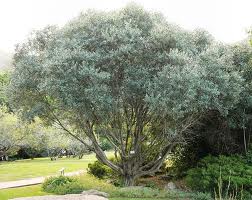
Olea europaea Africana -
African wild olive - antimalarial tree
ScienceDaily (2011-04-21) -- Research released in anticipation of World Malaria Day finds that plants in East Africa with promising antimalarial qualities -- ones that have treated malaria symptoms in the region's communities for hundreds of years -- are at risk of extinction. Scientists fear that these natural remedial qualities, and thus their potential to become a widespread treatment for malaria, could be lost forever.

Comments:

According to this article, researchers at the World Agroforestry Centre (ICRAF) and the Kenya Medical Research Institute (KEMRI), Common Antimalarial Trees and Shrubs of East Africa, are documenting and studying 22 of the region's malaria-fighting trees and shrubs which have been found to be antimalarial by both traditional medicinal practitioners and scientists.

Time is running out for these trees, though, because of deforestation and overexploitation for medical use without replacing the trees and cultivating new ones, but scientists are preserving them in a genebank as well as a nursery.

Here is one thing I want all alternative medicine lovers to be aware of, and it saddens me, too. The article states:
"Today, the world's newest, most-effective therapeutic treatment for malaria also comes from a plant, the Artemisia annua shrub. However, access to malaria therapies based on artemisinin compounds remains low -- around 15 percent in most parts of Africa and well below the World Health Organizations' 80 percent target. Additionally, the malaria parasite's ability to resist artemisinin is already beginning to emerge in Southeast Asia."
Here is our note of humility, humanity...

Mother Nature is in charge. She always was, and we will be one step behind her. Get a bacterial infection, then take an antibiotic, then the bacteria grows resistant to the antibiotic. Get an infection, then take an herb, then the bacteria grows resistant to the herb, too.

It's evolution in action, and there's nothing we can do to stop it. All we can hope to do is keep up, and try to maintain balance. But Mother Nature is crafty. Beautiful, mysterious, and creative, and has many tricks up her sleeve.

So just because it's an herb doesn't mean a parasite or bacteria won't develop resistance to it.

This aside: I really hope these scientists can protect and save as many of these trees as they can from destruction. It sounds like they are working hard on this problem. If they do, they may have in their hands future treatments for not only malaria but babesia, too.

Additional Sources:
http://www.worldagroforestrycentre.org/
http://www.kemri.org/

2) Learning to tolerate our microbial self: Bacteria co-opt human immune cells for mutual benefit

Source link: http://www.sciencedaily.com/releases/2011/04/110421141632.htm

B. fragilis
ScienceDaily (2011-04-22) -- The human gut is filled with 100 trillion symbiotic bacteria which we blissfully live with, although they have many features similar to infectious bacteria we react against. What decides whether we ignore -- or fight? In the case of a common "friendly" gut bacterium, Bacteroides fragilis, researchers have discovered the surprising answer: The decision is not made by us, but by the bacteria, which co-opt cells of the immune system for our benefit ... and theirs.

Comments:

So these scientists discovered that these friendly bacteria in mice, B. fragilis, can control regulatory T-cells in their immune system. These T-cells, by the way, are what protects our immune systems from attacking our own cells - they are basically anti-autoimmune cells.

B. fragilis can "trick" the immune system into activating these regulatory T-cells so they themselves will not get attacked.

How does this happen? The bacteria produces a molecule that receptors (called Toll-like receptors) on the regulatory T-cells pick up. When these regulatory T-cells get this "message", they suppress T helper 17 cells. By shutting those cells down, the bacteria is able to colonize the intestines.

This is not usually how Toll-like receptors are thought of - they are thought of as being part of a chain of communication in the immune system that works to get rid of bacteria - not keep it alive.

Question to my readers: What is the relationship between Toll-like receptors and Borrelia burgdorferi in people?

I'll give you time to research it if you don't know the answer, and will tell you next week.

Original Reference:
June L. Round, S. Melanie Lee, Jennifer Li, Gloria Tran, Bana Jabri, Talal A. Chatila, and Sarkis K. Mazmanian.The Toll-Like Receptor 2 Pathway Establishes Colonization by a Commensal of the Human MicrobiotaScience, 21 April 2011 DOI:10.1126/science.1206095

3) C. difficile increases risk of death 6-fold in patients with inflammatory bowel disease

Source link: http://www.eurekalert.org/pub_releases/2011-04/icl-cdi041911.php

Patients admitted to hospital with inflammatory bowel disease face a sixfold greater risk of death if they become infected with Clostridium difficile, a new study has found.

Comments:

The It-Could-Be-Worse News: A review published in 2010 estimated the overall mortality rate for patients with C. difficile to be 6 per cent.

Okay, 6%. I rather it'd be 0%, but 6% is a relatively small number compared to the rate of fatalities for other conditions.

The Bad News: Those most severely ill and the elderly are in a high risk for fatality from a nasty C. diff infection.

That's not good.

The Worst News: The mortality rate for IBD patients with C. difficile at 30 days was 25 per cent, compared with 3 per cent for patients with IBD alone.

25%. That's really not good.

I really don't know what to say to this other than it's scary. I hope research finds a way to prevent and cure IBD, and that we can prevent and more effectively treat C. difficile infections.

My advice:

1) Take your probiotics if you are using antibiotics. Eat yogurt  and/or take probiotics 3 hours after and before taking antibiotics daily.

2) Take Saccharomyces boulardii. There is some evidence it stops C. diff infections.

3) Avoid taking antibiotics unless it's absolutely necessary.

4) Get evaluated for Inflammatory Bowel Disease if you suspect you have it.

This not something to mess around with.

Original Reference:
 J.A. Karas et al. A review of mortality due to Clostridium difficile infection. Journal of Infection (2010) 61, 1-8.

4) 'Disease-Proof Mosquito' Could Spread Like Wildfire

Source link: http://news.sciencemag.org/sciencenow/2011/04/disease-proof-mosquito-could-spr.html

Scientists have identified several mosquito genes that, when tinkered with, decrease the mosquitoes' ability to transmit a virus or a parasite; they have also given the insects new genes that do the same.

My only comment for this is: Will we ever see a tick that is bred to not spread Lyme disease bacteria and coinfections? 

Is there anything beneficial in having any of these hosts carry these infections for anyone but the pathogenic agents? Any whatsoever at all?

No?

Then stop these pathogens in their tracks, please.
Read More

Saturday, April 9, 2011

4 Artemisinin and cancer

Yeah, I know, I usually don't post on the weekend... well, here I am - but only for a few minutes.

I keep tripping over that Friday Four article I posted on using artemisinin to treat leukemia cells.

I wanted to see more of the research that's out there, and I found this:

Synthesis and anti-cancer activity of covalent conjugates of artemisinin and a transferrin-receptor targeting peptide. Steve Oha, Byung Ju Kim, Narendra P. Singh, Henry Lai, Tomikazu Sasaki. Cancer Letters. Volume 274, Issue 1, Pages 33-39 (8 February 2009)
Source link:http://www.cancerletters.info/article/S0304-3835(08)00668-X/abstract

Effects of artemisinin-tagged holotransferrin on cancer cells
Henry Lai, Tomikazu Sasakib, Narendra P. Singha and Archna Messay
Department of Bioengineering, Box 357962, University of Washington, Seattle, WA 98195-7962, USA Department of Chemistry, University of Washington, Seattle, WA, USA
Received 2 August 2004. Accepted 25 August 2004. Available online 23 November 2004.
Link to above abstract

Apparently Henry Lai did previous research on the use of artemisinin on cancer, in which the earlier abstract states:
"Artemisinin reacts with iron to form free radicals that kill cells. Since cancer cells uptake relatively large amount of iron than normal cells, they are more susceptible to the toxic effect of artemisinin. In previous research, we have shown that artemisinin is more toxic to cancer cells than to normal cells. In the present research, we covalently attached artemisinin to the iron-carrying plasma glycoprotein transferrin. Transferrin is transported into cells via receptor-mediated endocytosis and cancer cells express significantly more transferrin receptors on their cell surface and endocytose more transferrin than normal cells. Thus, we hypothesize that by tagging artemisinin to transferrin, both iron and artemisinin would be transported into cancer cells in one package."
More recent research that was not done by Lai includes this study on using artemisinin to treat prostate cancer:

Effect of artemisinin derivatives on apoptosis and cell cycle in prostate cancer cells.
Morrissey, Colma; Gallis, Byronb; Solazzi, Jeffrey W.a; Kim, Byung Juc; Gulati, Romane; Vakar-Lopez, Fundad; Goodlett, David R.b; Vessella, Robert L.af; Sasaki, Tomikazu. Anti-Cancer Drugs: April 2010 - Volume 21 - Issue 4 - pp 423-432
Source Link: http://journals.lww.com/anti-cancerdrugs/Abstract/2010/04000/Effect_of_artemisinin_derivatives_on_apoptosis_and.9.aspx

An excerpt from the above abstract states:
"Artemisinin is a plant-derived anti-malarial drug that has relatively low toxicity in humans and is activated by heme and/or intracellular iron leading to intracellular free radical formation. Interestingly, artemisinin has displayed anti-cancer activity, with artemisinin dimers being more potent than monomeric artemisinin. Intracellular iron uptake is regulated by the transferrin receptor (TfR), and the activity of artemisinin depends on the availability of iron."

I also found an entire chapter of a book devoted to the study of artemisinin and how it affects pathogens and cancer:

Chapter 18: The Anti-Infective and Anti-Cancer Properties of Artemisinin and its Derivatives. Christopher Paul Hencken, Alvin Solomon Kalinda and John Gaetano D’Angelo. Annual Reports in Medicinal Chemistry. Volume 44, 2009, Pages 359-37
Link (doi): doi:10.1016/S0065-7743(09)04418-2

These are only a few examples of research being done out there on artemisinin for cancer... Seems there is an increasing interest in it. I still want to do a little more digging to see where that claim about artemisinin came from Henry Lai: "It's 100 times more specific than traditional chemotherapy. In breast cancer, it's even better."

Specificity in cancer treatment would improve treatment so much and improve the odds of surviving it with fewer side effects. So I'd really like to know more about this.

Artemisinin. It's not just for Malaria and Babesia any more.
Read More

Friday, April 8, 2011

14 The Friday Four

In this week's edition of the Friday Four, we look at the IDSA's plan to combat antibiotic resistance with a brief recap of highlights of the STAAR Act, using artemisinin and hyperbaric oxygen as a potential cancer treatment, a dangerous new tickborne virus identified in China, and creating a new antibiotic using marine bacteria.

1) Lifesaving antibiotics face doubtful future

Source link: http://www.sciencedaily.com/releases/2011/04/110407121435.htm

ScienceDaily (2011-04-07) -- To head off a health care disaster, the Infectious Diseases Society of America has developed a plan to combat deadly antibiotic-resistant "super bugs" and is rolling out the multi-pronged plan today, on World Health Day 2011.

Comments: I don't know why this is considered the latest news on ScienceDaily... this plan is basically a repeat of all that is found in the STAAR Act.

I wrote about the IDSA's 2010 testimony to the House Committee back in early January. I posted about it on Lymenet, too.

Did anyone notice back then? I sure hope people notice now.

I'll repeat here what I wrote back in January:
This act should be more familiar to you all, because the STAAR Act stands for "Strategies to Address Antimicrobial Resistance".


Taken from the final 2010 report from the IDSA to the House Committee on Energy and Commerce Subcommittee on Health:


"The STAAR Act strengthens existing efforts by establishing an Antimicrobial Resistance Office (ARO) within the HHS Office of the Assistant Secretary of Health. The Director of ARO will serve as the director of the existing interagency task force. The Act also establishes a Public Health Antimicrobial Advisory Board (PHAAB) comprised of infectious diseases and public health experts who will provide much-needed advice to the ARO Director and task force about antimicrobial resistance and strategies to address it. The STAAR Act will strengthen existing surveillance, data collection, and research activities as a means to reduce the inappropriate use of antimicrobials, develop and test new interventions to limit the spread of resistant organisms, and create new tools to detect, prevent and treat drug-resistant “bad bugs.”" 
And that's just part of it, really - you ought to read the entire report.

One of the IDSA's broader goals beyond this act is to institute a special fee called "the Antibiotic Innovation and Conservation Fee" on every course of antibiotics used by doctors and veterinarians in the future - both to acquire money for funding new antibiotic development - and to encourage restricted and judicial use of the antibiotics remaining in use. And then there is also the proposal for an "antibiotic stewardship program" which will be intended to track and reduce usage of antibiotics as well as lower medical cost.

This is one of the reasons I mention the issue of needing more research into the issue of persistence, and that it can't wait. It already couldn't wait, but now it becomes a more important issue. If persistence is proven, then long-term use of antibiotics to treat Lyme disease beyond the standard minimum would be accommodated - but if it isn't, then with the passage of the STAAR Act, if the proposed antibiotic stewardship program passes along with it - could affect Lyme disease patients on long-term antibiotics a lot.

How far will this act go, and how does one determine what the "inappropriate use of antimicrobials" actually is?

I'm in support of stopping antibiotic use on healthy livestock and think antibiotic use can be cut back for ear infections and acne. I'm in support of hospitals practicing more safe hygiene controls and using UV irradiated keyboards - if not UV-C doused rooms between patients - to reduce the spread of potentially deadly MRSA and C. difficile. I see the value of the STAAR Act  - especially in reducing the spread of resistant organisms and funding new antibiotics - the world desperately needs new antibiotics, including Lyme disease patients. Even better, I'd like to see development of technology that stops infection in its tracks without the use of antibiotics - thus avoiding the concern over resistance entirely. In the meantime, though? I have concerns this act could potentially be a strike against Lyme disease patients in getting ongoing treatment. It all depends on the implementation.

2) Kill Cancer Naturally - With Hyperbaric Oxygen and Artemisia Annua L. aka Artemisinin

Artemisia Annua or
"Sweet Annie"

ScienceDaily (Apr. 4, 2011) — An environment of pure oxygen at three-and-a-half times normal air pressure adds significantly to the effectiveness of a natural compound already shown to kill cancerous cells, researchers at the University of Washington and Washington State University recently reported in the journal Anticancer Research.


Link: http://www.sciencedaily.com/releases/2011/04/110404142813.htm

Comments:  And you thought Artemisinin was just for Babesia and Malaria treatment... In the future it might be used to treat cancer - only time will tell.

Seriously, someone needs to do more research using hyperbaric oxygen chambers. This could be something useful - and it should be easy enough to test on human volunteers under the supervision of a medical professional.

Note, though, that this study wasn't on actual people with cancer - it is a study in which the researchers used artemisinin or high-pressure oxygen alone on a culture of human leukemia cells. Results on cancer cells in vivo in people who sit in hyperbaric oxygen chambers may differ - this is something that needs to be tested in the future.

They found out that using either the artemisinin or the oxygen reduced the cancer cells' growth by 15 percent. But if they used them in combination - over a 48 hour period after 90 minutes of high-pressure oxygen - the cancer cells' growth was reduced by 38 percent. That's an over 50 percent increase in artemisinin's effectiveness.

Henry Lai, UW research professor of bioengineering, said that, "Artemisinin is a promising low-cost cancer treatment because it's specific, it's cheap and you don't have to inject it. It's 100 times more specific than traditional chemotherapy. In breast cancer, it's even better."

Is that true? A 100 times more specific? How? Where is he getting this information from? I want to know.

At any rate, it would be interesting to hear more about this and see further studies.

[ Side note: Science Daily's write up mentions that the FDA has approved the use of hyperbaric oxygen therapy chambers for Lyme disease - when that is not true. HBOT has only been approved for the use of 13 indications, and Lyme disease is not one of them - treatment with HBOT for Lyme disease is considered an off-label use or experimental. ]

Publication source:
Yusuke Ohgami, Catherine A. Elstad, Eunhee Chung, Donald Y. Shirachi, Raymond M. Quock, Henry C. Lai.Effect of Hyperbaric Oxygen on the Anticancer Effect of Artemisinin on Molt-4 Human Leukemia Cells.Anticancer Research, 2010; 30: 4467-4470 [link]

3) New Tickborne Virus In China Has High Mortality Rate

Source link: http://www.scienceagogo.com/news/20110222214117data_trunc_sys.shtml

Writing in the New England Journal of Medicine, scientists explain how a previously unknown and dangerous virus carried by ticks has been responsible for seasonal outbreaks of the disease in six of China's most populated provinces.

The newly discovered pathogen has been dubbed 'Severe Fever with Thrombocytopenia Syndrome virus'. It has been placed in the Bunyaviridae family, along with the hantaviruses and Rift Valley Fever virus.

Symptoms include high fever and gastrointestinal disorder; the mortality rate was initially estimated at 30 percent.

Comments:  This is scary. I think between the TBE in Europe and this, my next vacation will be at McMurdo station.

4) New Drugs From Bugs

Source Link: http://www.sciguru.com/newsitem/7751/New-drugs-from-bugs/

bioluminescent marine
bacteria on agar
This is interesting news from the UK... Chemists from Bristol and microbial geneticists from Birmingham determined the sequence of the complete DNA content of a marine bacterium that produces the new antibiotic, thiomarinol (owned by Daiichi-Sankyo). They then identified the genes responsible for making the antibiotic on the basis of their similarity to genes that make the related but less potent antibiotic, mupirocin, which is currently used to combat MRSA (methicillin resistant Staphylococcus aureus).

They found the genes are on a relatively small, separate DNA molecule called a plasmid, which is just big enough to carry the genes for making the antibiotic plus genes to allow the plasmid to replicate autonomously in the bacterium. The plasmid thus carries genes that make both the mupirocin-like antibiotic as well a second antibiotic, holomycin, and a gene responsible for joining both antibiotics together, forming a more potent molecule.

Tests showed that by joining the antibiotics together the resulting chemical is able to inhibit the growth of MRSA strains that have become resistant to mupirocin.

Comments: Read more at the link. I think it's pretty interesting to learn about how new antibiotics are made, even though I would like to find a way to fight infection using other medications and other technologies. We really need antibiotics that don't eventually become resistant and don't cause C. difficile infections (or imbalances that lead to infections, in a number of cases) - or we need an entirely different infection-fighting approach. This development of new antibiotics in the meantime is something desperately needed worldwide, and I'm glad to see it happening - I just wonder how long it will take before clinical trials are on the horizon...

Related Publications:
A natural plasmid uniquely encodes two biosynthetic pathways creating a potent antibiotic.
D. Fukuda, A. S. Haines, Z. Song, A. Murphy, J. Hothersall, E. R. Stephens, R. Gurney, C.
Riemer, R. Marshall, R. J. Cox, J. Crosby, C. L. Willis, T. J. Simpson and C. M. Thomas,
PLoS ONE, 2011, 6, in press.

Nature Reviews Microbiology 8, 281-289 (April 2010) | doi:10.1038/nrmicro2278
Resistance to and synthesis of the antibiotic mupirocin
Christopher M. Thomas, Joanne Hothersall, Christine L. Willis, Thomas J. Simpson
http://www.nature.com/nrmicro/journal/v8/n4/full/nrmicro2278.html
Read More

The Camp Other Song Of The Month


Why is this posted? Just for fun!

Get this widget

Lyme Disease

Borrelia

Bacteria

Microbiology