Lyme disease, science, and society: Camp Other
Showing posts with label friday four. Show all posts

Friday, April 29, 2011

1 The Friday Four

In this week's Friday Four, we'll look at how some bacteria avoid antibiotics by shutting down and hiding until it's safe to come out again,  students who go bacteriophage hunting,  disrupting bacteria's communication or quorum sensing in future antibacterial treatments,  tests which use bacteria's scent to detect not only their presence but species, strain, and their antibiotic resistance profile.

CO message to readers: The Friday Four postings will be on hiatus for at least the month of May during Lyme Awareness Month.

1) 'Going off the grid' helps some bacteria hide from antibiotics

Link: http://www.sciencedaily.com/releases/2011/04/110425153611.htm

ScienceDaily (2011-04-25) -- Call them the Jason Bournes of the bacteria world. Going "off the grid," like rogue secret agents, some bacteria avoid antibiotic treatments by essentially shutting down and hiding until it's safe to come out again.

Comments:

I want to keep this one short and sweet: What if those few Borrelia burgdorferi left behind in collagen that some researchers say are not viable or non-dividing are just basically in stasis instead? What if they have shut down their metabolic processes and only look mostly dead? (This is starting to remind me of the scene in that movie, The Princess Bride, where Westley is... Oh, never mind, if you haven't seen it, I don't want to spoiler it for you. It's a fun movie. I will tell you the Bourne series is one of the best action series in my opinion - along those lines, I like Memento too...)

Source Reference:
Xiaoxue Wang, Younghoon Kim, Seok Hoon Hong, Qun Ma, Breann L Brown, Mingming Pu, Aaron M Tarone, Michael J Benedik, Wolfgang Peti, Rebecca Page, Thomas K Wood. Antitoxin MqsA helps mediate the bacterial general stress response. Nature Chemical Biology, 2011; DOI: 10.1038/nchembio.560

2) Phage hunting students find new bacteriophages in soils of St. Louis suburbs

Link: http://www.sciencedaily.com/releases/2011/04/110425135645.htm

ScienceDaily (2011-04-25) -- Twelve students who had participated in an unusual biology course as freshmen have found two bacteriophages, viruses that prey exclusively on bacteria, in the soil of two suburbs of St. Louis, Missouri. As the finders, they had the naming rights; the new phages are called Angelica and Uncle Howie.

Comments:

This is as awesome as being an amateur astronomer. If you're an amateur astronomer, if you find an object in the sky no one has discovered before, it can be named after you or you can decide what you want to name it. Here, students are discovering their own bacteriophages in the dirt and naming them anything they want.

I posted this mainly because I think it's cool, and I wish I had gotten the opportunity to do this in school, too. Well, who knows... maybe I'll go back to school someday, just to be able to take a course like this and name my own bacteriophage Camp Other. If I did, though, I'd try to find one that consumed Borrelia burgdorferi.

Source Reference:
Pope WH, Jacobs-Sera D, Russell DA, Peebles CL, Al-Atrache Z, et al. Expanding the Diversity of Mycobacteriophages: Insights into Genome Architecture and Evolution. PLoS ONE, 2011; 6 (1): e16329 DOI: 10.1371/journal.pone.0016329

3) Bacteria interrupted: Disabling coordinated behavior and virulence gene expression

Link: http://www.sciencedaily.com/releases/2011/04/110421122329.htm

ScienceDaily (2011-04-22) -- New research reveals a strategy for disrupting the ability of bacteria to communicate and coordinate the expression of virulence factors. The study may lead to the development of new antibacterial therapeutics.

Comments:

Bonnie Bassler is up to it again. I love her presentation on TED, and if you haven't seen it, you really should set aside 18 minutes of your time to watch her video on how to get bacteria to talk and how to get them to shut up.

And recently she was on a team that did more research on how to stop bacterial infections by shutting up them up.  Four points in turn outlined their strategy for how one could stop bacterial infection by stopping quorum sensing:

  1. Quorum-sensing (QS) antagonists represent potential antibacterial therapeutics
  2. They can bind LuxR-family transcription factors in competition with autoinducers
  3. The antagonists stabilize a closed conformation incapable of binding operator DNA
  4. This inhibition strategy may be generalizable to other multidomain receptors

Which means that there are antagonists which can bind to certain factors that normally autoinducers would bind to - the antagonists are competition for them,  much like Saccharomyces bouldarii can be competition for other yeasts and C. difficle. When the antagonists bind to the factors, they will not bind to operator DNA.

So to sum up: If you can stop autoinducers, you can stop the bacteria from communicating. You can shut it up. If you shut it up, you can tell it to stop having sex and the immune system police will evict it, much like a loud annoying neighbor.

You think I'm kidding, and making this story up? I'm not - I'm merely telling the story to illustrate a point: In order for gene transcription to be activated in the bacteria, the cell must encounter autoinducers secreted by other cells in its environment.

Here's a basic diagram of how Gram-negative bacteria engages in quorum sensing (noting that Borrelia burgdorferi is not exactly Gram-negative or Gram-positive here, it is somewhat closer to Gram-negative so I include that model here):


What you need to imagine here is that this oval represents a bacterium, and that initially a small number of bacteria are doing this all at the same time in their host, whether that be human or not.

Here the LuxI protein makes the autoinducers (green pentagons) which then diffuse freely outside. Each bacterium doing the same, the concentration of external autoinducer is a measure of the size of the population (quorum).

When the autoinducer concentration is high (meaning the bacteria has reproduced to a certain population)  the autoinducer binds to a cognate receptor LuxR (cognate means having the same form and ad hoc characteristics to bind specifically to the molecule it receives).

This is quorum sensing.

The complex auto inducer-Lux R then binds at target gene promoters and activate their effect (transcription) which has behavioral consequences.

In other words, once the bacteria reaches a certain threshold, the level of autoinducers is very high, and the number of bacteria goes up. The high autoinducer level means more bacteria, and more bacteria means more autoinducers. It's a self-perpetuating feedback loop. If you can prevent the loop from even getting started, bacterial numbers will remain low.

So, you're probably wondering, does Borrelia burgdorferi engage in quorum sensing, and if so, can we get it to shut up also?

This has actually been somewhat under debate. Some research has stated that Borrelia burgdorferi has an autoinducing cognate receptor called LuxS, but it doesn't have the necessary autoinducer to bind to it, which in this case would be AI-2.

More recent research has shown that there might be a more complicated method for Borrelia burgdorferi involved for synthesizing its own autoinducers... Might.

To draw from this Polish research paper from 2009 (http://www.aaem.pl/pdf/16001.pdf):

"...the studies of von Lackum et al.[62] demonstrated that B. burgdorferi encodes functional Pfs and LuxS enzymes for the breakdown of toxic products of methylation reactions. According to these observations, B. burgdorferi was shown to synthesize the final product, 4,5-dihydroxy-2,3-pentanedione (DPD) during laboratory cultivation. DPD undergoes spontaneous rearrangements to produce a class of pheromones collectively named autoinducer 2 (AI-2). The addition of in vitro-synthesized DPD to the culture of B. burgdorferi manifested in differential expression of a distinct subset of proteins, including the outer surface lipoprotein VlsE. Although many bacteria for regeneration of methionine can utilize the other LuxS product, homocysteine, B. burgdorferi did not show such an ability. It is hypothesized that B. burgdorferi produces LuxS for the express purpose of synthesizing DPD, and utilizes a form of that molecule as an AI-2 pheromone to control gene expression [4]."

Those cited papers are:

[62] Von Lackum K, Babb K, Riley SP, Wattier RL, Bykowski T, Stevenson B: Functionality of Borrelia burgdorferi LuxS: the Lyme disease spirochete produces and responds to the pheromone autoinducer-2 and lacks a complete activated-methyl cycle. Int J Med Microbiol 2006, 296, 92-102 -and-
[4] Babb K, von Lackum K, Wattier RL, Riley SP, Stevenson B: Synthesis of autoinducer 2 by the lyme disease spirochete, Borrelia burgdorferi. J Bacteriol 2005, 187, 3079-3087

I need to read more about it, at this point the above is currently hypothetical and an in vitro test, so the answer to your question is (unless you know something I don't): the jury is still out on this one.
.
Source Reference:
Guozhou Chen, Lee R. Swem, Danielle L. Swem, Devin L. Stauff, Colleen T. O'Loughlin, Philip D. Jeffrey, Bonnie L. Bassler, Frederick M. Hughson. A Strategy for Antagonizing Quorum Sensing. Molecular Cell, Volume 42, Issue 2, 199-209, 22 April 2011 DOI: 10.1016/j.molcel.2011.04.003

4) Get a whiff of this: Low-cost sensor can diagnose bacterial infections

Link: http://www.sciencedaily.com/releases/2011/04/110427171636.htm

Colorimetric sensor array
overlaid on petri dish
ScienceDaily (2011-04-28) -- Bacterial infections really stink. And that could be the key to a fast diagnosis. Researchers have demonstrated a quick, simple method to identify infectious bacteria by smell using a low-cost array of printed pigments as a chemical sensor. In only a few hours, the array not only confirms the presence of bacteria, but identifies a specific species and strain. It even can recognize antibiotic resistance -- a key factor in treatment decisions.

Comments: So the abstract for this paper is as follows:
"Rapid identification of both species and even specific strains of human pathogenic bacteria grown on standard agar has been achieved from the volatiles they produce using a disposable colorimetric sensor array in a Petri dish imaged with an inexpensive scanner. All 10 strains of bacteria tested, including Enterococcus faecalis and Staphylococcus aureus and their antibiotic-resistant forms, were identified with 98.8% accuracy within 10 h, a clinically important time frame. Furthermore, the colorimetric sensor arrays also proved useful as a simple research tool for the study of bacterial metabolism and as an easy method for the optimization of bacterial production of fine chemicals or other fermentation processes."
The full text requires paid access, however, just looking at what is known here between the article and abstract, I have to wonder how accurate a test this could be to detect Borrelia burgdorferi. I could see this rapid strain identification being useful for identifying bacteria for bacteriophage treatments and also for detecting the presence of bacteria on specific surfaces in hospitals or from open wounds. This wouldn't work well for something that is deeply embedded in collagen, but it might work from a synovial fluid sample better than current detection tests for Bb there.

Source Reference:
James R. Carey, Kenneth S. Suslick, Keren I. Hulkower, James A. Imlay, Karin R. C. Imlay, Crystal K. Ingison, Jennifer B. Ponder, Avijit Sen, Aaron E. Wittrig. Rapid Identification of Bacteria with a Disposable Colorimetric Sensing Array.Journal of the American Chemical Society, 2011; : 110427110353066 DOI: 10.1021/ja201634d
Read More

Friday, April 22, 2011

0 The Friday Four

In this week's Friday Four, we'll look at antimalarial trees that are threatened with extinction but may yet be saved to make natural medicine, how our own bacteria use immune cells to help save us from bad infections, a six-fold risk of death from C. diff in patients with IBD, and genetically engineering mosquitoes so that they have less ability to spread disease.


1) Antimalarial trees in East Africa threatened with extinction

Source link: http://www.sciencedaily.com/releases/2011/04/110420211758.htm

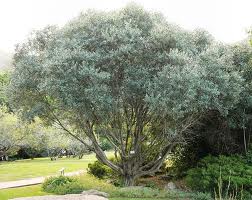
Olea europaea Africana -
African wild olive - antimalarial tree
ScienceDaily (2011-04-21) -- Research released in anticipation of World Malaria Day finds that plants in East Africa with promising antimalarial qualities -- ones that have treated malaria symptoms in the region's communities for hundreds of years -- are at risk of extinction. Scientists fear that these natural remedial qualities, and thus their potential to become a widespread treatment for malaria, could be lost forever.

Comments:

According to this article, researchers at the World Agroforestry Centre (ICRAF) and the Kenya Medical Research Institute (KEMRI), Common Antimalarial Trees and Shrubs of East Africa, are documenting and studying 22 of the region's malaria-fighting trees and shrubs which have been found to be antimalarial by both traditional medicinal practitioners and scientists.

Time is running out for these trees, though, because of deforestation and overexploitation for medical use without replacing the trees and cultivating new ones, but scientists are preserving them in a genebank as well as a nursery.

Here is one thing I want all alternative medicine lovers to be aware of, and it saddens me, too. The article states:
"Today, the world's newest, most-effective therapeutic treatment for malaria also comes from a plant, the Artemisia annua shrub. However, access to malaria therapies based on artemisinin compounds remains low -- around 15 percent in most parts of Africa and well below the World Health Organizations' 80 percent target. Additionally, the malaria parasite's ability to resist artemisinin is already beginning to emerge in Southeast Asia."
Here is our note of humility, humanity...

Mother Nature is in charge. She always was, and we will be one step behind her. Get a bacterial infection, then take an antibiotic, then the bacteria grows resistant to the antibiotic. Get an infection, then take an herb, then the bacteria grows resistant to the herb, too.

It's evolution in action, and there's nothing we can do to stop it. All we can hope to do is keep up, and try to maintain balance. But Mother Nature is crafty. Beautiful, mysterious, and creative, and has many tricks up her sleeve.

So just because it's an herb doesn't mean a parasite or bacteria won't develop resistance to it.

This aside: I really hope these scientists can protect and save as many of these trees as they can from destruction. It sounds like they are working hard on this problem. If they do, they may have in their hands future treatments for not only malaria but babesia, too.

Additional Sources:
http://www.worldagroforestrycentre.org/
http://www.kemri.org/

2) Learning to tolerate our microbial self: Bacteria co-opt human immune cells for mutual benefit

Source link: http://www.sciencedaily.com/releases/2011/04/110421141632.htm

B. fragilis
ScienceDaily (2011-04-22) -- The human gut is filled with 100 trillion symbiotic bacteria which we blissfully live with, although they have many features similar to infectious bacteria we react against. What decides whether we ignore -- or fight? In the case of a common "friendly" gut bacterium, Bacteroides fragilis, researchers have discovered the surprising answer: The decision is not made by us, but by the bacteria, which co-opt cells of the immune system for our benefit ... and theirs.

Comments:

So these scientists discovered that these friendly bacteria in mice, B. fragilis, can control regulatory T-cells in their immune system. These T-cells, by the way, are what protects our immune systems from attacking our own cells - they are basically anti-autoimmune cells.

B. fragilis can "trick" the immune system into activating these regulatory T-cells so they themselves will not get attacked.

How does this happen? The bacteria produces a molecule that receptors (called Toll-like receptors) on the regulatory T-cells pick up. When these regulatory T-cells get this "message", they suppress T helper 17 cells. By shutting those cells down, the bacteria is able to colonize the intestines.

This is not usually how Toll-like receptors are thought of - they are thought of as being part of a chain of communication in the immune system that works to get rid of bacteria - not keep it alive.

Question to my readers: What is the relationship between Toll-like receptors and Borrelia burgdorferi in people?

I'll give you time to research it if you don't know the answer, and will tell you next week.

Original Reference:
June L. Round, S. Melanie Lee, Jennifer Li, Gloria Tran, Bana Jabri, Talal A. Chatila, and Sarkis K. Mazmanian.The Toll-Like Receptor 2 Pathway Establishes Colonization by a Commensal of the Human MicrobiotaScience, 21 April 2011 DOI:10.1126/science.1206095

3) C. difficile increases risk of death 6-fold in patients with inflammatory bowel disease

Source link: http://www.eurekalert.org/pub_releases/2011-04/icl-cdi041911.php

Patients admitted to hospital with inflammatory bowel disease face a sixfold greater risk of death if they become infected with Clostridium difficile, a new study has found.

Comments:

The It-Could-Be-Worse News: A review published in 2010 estimated the overall mortality rate for patients with C. difficile to be 6 per cent.

Okay, 6%. I rather it'd be 0%, but 6% is a relatively small number compared to the rate of fatalities for other conditions.

The Bad News: Those most severely ill and the elderly are in a high risk for fatality from a nasty C. diff infection.

That's not good.

The Worst News: The mortality rate for IBD patients with C. difficile at 30 days was 25 per cent, compared with 3 per cent for patients with IBD alone.

25%. That's really not good.

I really don't know what to say to this other than it's scary. I hope research finds a way to prevent and cure IBD, and that we can prevent and more effectively treat C. difficile infections.

My advice:

1) Take your probiotics if you are using antibiotics. Eat yogurt  and/or take probiotics 3 hours after and before taking antibiotics daily.

2) Take Saccharomyces boulardii. There is some evidence it stops C. diff infections.

3) Avoid taking antibiotics unless it's absolutely necessary.

4) Get evaluated for Inflammatory Bowel Disease if you suspect you have it.

This not something to mess around with.

Original Reference:
 J.A. Karas et al. A review of mortality due to Clostridium difficile infection. Journal of Infection (2010) 61, 1-8.

4) 'Disease-Proof Mosquito' Could Spread Like Wildfire

Source link: http://news.sciencemag.org/sciencenow/2011/04/disease-proof-mosquito-could-spr.html

Scientists have identified several mosquito genes that, when tinkered with, decrease the mosquitoes' ability to transmit a virus or a parasite; they have also given the insects new genes that do the same.

My only comment for this is: Will we ever see a tick that is bred to not spread Lyme disease bacteria and coinfections? 

Is there anything beneficial in having any of these hosts carry these infections for anyone but the pathogenic agents? Any whatsoever at all?

No?

Then stop these pathogens in their tracks, please.
Read More

Friday, April 15, 2011

0 The Friday Four

In this edition of the Friday Four, we'll look at the impact of antibiotics on bacteria in dogs' intestines, how fire-bellied toads can help us fight germs, antibiotic cocktails in wasp cocoons, and the effect of stress on your gut flora.

1) Impact of antibiotic treatments on bacteria in the intestines of animals

Source Link: http://www.sciencedaily.com/releases/2010/04/100413081238.htm

ScienceDaily (2010-04-13) -- Recent research from Norway has found that resistance to antibiotics is on the increase in intestinal bacteria in animals as a direct result of antibiotic treatments. The antibiotics also alter the composition of bacteria in the intestines. These discoveries provide more knowledge about the undesirable effect of antibiotic treatments and are of comparative interest as regards other animals and humans.

Comments:

This article is about how within a few days of antibiotic treatment, healthy dogs had a lot of antibiotic resistant E. coli bacteria in their intestines. I shudder to think of the state of my own intestines, after many months of antibiotic use.

I don't know if I really have much to say here, other than to say this: The article quoted nearly 50% of all worldwide antibiotic use is veterinary - I wonder what percentage of that 50% is for factory farms and not for people's pets? Antibiotics should be conserved for pets and people on the rare occasion they need them, and this should have been done all along. 

Now we're facing a crisis situation with antibiotic resistance, one which is most readily observed in our hospitals. And not just our hospitals, but our kitchens...

This was the eye-opener today:

Nationwide study finds US meat and poultry is widely contaminated

Multi-drug-resistant Staph found in nearly 1 in 4 samples, review shows


FLAGSTAFF, Ariz. — April 15, 2011 — Drug-resistant strains of Staphylococcus aureus, a bacteria linked to a wide range of human diseases, are present in meat and poultry from U.S. grocery stores at unexpectedly high rates, according to a nationwide study by the Translational Genomics Research Institute (TGen).

Nearly half of the meat and poultry samples — 47 percent — were contaminated with S. aureus, and more than half of those bacteria — 52 percent — were resistant to at least three classes of antibiotics, according to the study published today in the journal Clinical Infectious Diseases.


Please COOK YOUR FOOD THOROUGHLY.

Other methods of fighting bacterial infections which do not promote resistance must be found.

Which leads us to the next two entries of this Friday Four...


2) Giant fire-bellied toad's brain brims with powerful germ-fighters

Source link: http://www.sciencedaily.com/releases/2011/04/110413121010.htm

ScienceDaily (2011-04-13) -- Frog and toad skins already are renowned as cornucopias of hundreds of germ-fighting substances. Now a new report reveals that the toad brains also may contain an abundance of antibacterial and antiviral substances that could inspire a new generation of medicines.

Comments:

So the "germ-fighting substances" they're talking about are peptides. Many of these peptides were shown to be homologous to hormones and neurotransmitters of mammals. And in recent years it has been shown that these secretions also contain a multitude of antimicrobial peptides.

So in the original research report above, 79 antimicrobial peptides were found to be encoded by 158 cDNA clones from B. maxima (the giant fire bellied toad - see photo to left) and B. microdeladigitora brain cDNA libraries, and of those 79, 20 were the same as ones which had been found before - but 59 were previously unknown and new antimicrobial peptides. These peptides worked against Gram-positive and Gram-negative bacteria and fungi.

Earlier research on these other amphibian-derived peptides have shown that some have activity against mycoplasma infections, HIV, and Staphlococcus aureus.

Antibiotics have been derived from peptides for many years now - some synthetically, like polymyxins and bacitracins - and some are natural, nonsynthetic antibiotics, like melittin (which peptides had to be derived from - melittin itself was not used due to its hemolytic properties) and manuka honey itself.

The latter group rely on observing natural host defenses (as nature’s antibiotics) and the clinical potential of peptides derived from these natural sources - amphibians, insects, mammals, and plants - is something that continues to be studied. These natural antibiotics may replace more of our currently existing selection of antibiotics due to increasing resistance.

Source Reference:
Rui Liu, Huan Liu, Yufang Ma, Jing Wu, Hailong Yang, Huahu Ye, Ren Lai. There are Abundant Antimicrobial Peptides in Brains of Two Kinds ofBombinaToads.Journal of Proteome Research, 2011; 10 (4): 1806 DOI:10.1021/pr101285n

3) Bacteria in wasp antennae produce antibiotic cocktails

Source link: http://www.sciencedaily.com/releases/2011/04/110411194823.htm

ScienceDaily (2011-04-12) -- Bacteria that grow in the antennae of wasps help ward off fungal threats by secreting a 'cocktail' of antibiotics, according to researchers.

Comments:

Who knew that a particular wasp - the beewolf wasp (weird name?) - could have something in common with Lyme disease patients?

These crafty little buggers have their own prophylactic antibiotics right on the outside of their cocoons, so that they are protected from disease when they are transforming from larvae into wasps.

Female beewolf digger wasps cultivate symbiotic Streptomyces bacteria in unique antennal glands and secrete them into their larval brood cells. Then the larvae take up the bacteria and weave them into the cocoon while spinning it. The result is a cocoon which produces at least 9 different antibiotic and antifungal substances.

The article makes a statement that reflects the fact that a number of LLMDs have been ahead of the curve when it comes to treating infections. It states:

"A similar combination prophylaxis (also known as combination therapy) approach is increasingly used in human medicine. Such a treatment exploits the complementary action of two or more antibiotics. It results in a higher efficacy against a broader spectrum of pathogens and is known to prevent micro-organisms from developing resistance to the antibiotic substance."

There is a logic behind combination antibiotic treatment - testing and documenting the efficacy of such combinations goes a long way to supporting long-term antibiotic use where it is needed, especially if lack of resistance can be shown.

The beewolf larva hibernates for several months in its cocoon before the 
adult insect hatches. Antibiotics on the surface of the cocoon, produced by symbionts, guarantee protection against microbial pests during such a protracted developmental stage. The amount of antibiotics was visualized by means of imaging techniques based on mass spectrometry 
(LDI imaging) and merged as pseudocolors onto the cocoon.
Credit: Johannes Kroiss and Martin Kaltenpoth, MPI for Chemical Ecology, Jena (Photomontage).

Source reference:
http://www.sgm.ac.uk/default.cfm

4) Don't Stress - It messes with your gut flora

Source Link: http://researchnews.osu.edu/archive/immunegut.htm

Research out of Ohio State University informs us more about the value of the mind-body connection in affecting our health.

Stress not only sends the human immune system into overdrive - it can also wreak havoc on the trillions of bacteria that work and thrive inside our digestive system. New research suggests that this may be important because those bacteria play a significant role in triggering the innate immune system to stay slightly active, and thereby prepared to quickly spring into action in the face of an infection.

So this is what the study was about:
For two hours daily for six days, an aggressive mouse was placed in a cage of a group of more docile, laid-back mice.

At the end of the string of experiments, blood samples were taken from both stressed animals and matched mice from a control group, along with samples of material from inside each animal’s intestine. The blood samples were analyzed to detect the levels of two biomarkers used to gauge stress – a cytokine called interleukin-6 (IL-6) and a protein called MCP-1 that summons macrophages, or scavenger cells, to the site of an infection.

From the intestinal samples, Bailey’s team could determine the relative proportion of at least 30 types of bacteria residing there.

“We know now that if we knock the population of bacteria down with antibiotics, we don’t have the same innate immune response,” Bailey said. “That showed that the bacteria are involved in the ability of stress to prime the innate immune system.”

Compared to the control mice, the stressed animals showed two marked differences: The proportion of one important type of bacteria in the gut – Bacteroidesfell by 20 to 25 percent while another type – Clostridiumincreased a similar amount. Also, levels of the two biomarkers, IL-6 and MCP-1, jumped 10-fold in the stressed mice, compared to controls.

The researchers then treated stressed mice with broad-spectrum antibiotics that could kill as much as 90 percent of the intestinal bacteria for a short period. When they again looked at the two immune biomarkers in the stressed mice, they saw only a doubling of IL-6 and MCP-1 – an increase only one-fifth as much.
Comments:

Stress really affects the immune system - who knew? It's well-known it does, but what isn't known is exactly how it does this - and what can be done other than to get people out of your life who act like aggressive mice.

There is evidence here that stress increases the population of unfriendly and harmful bacteria, and later on, the use of antibiotics knocks down the bacteria needed to prime the immune system.

Healthy stress management and joy are needed in one's life, even while fighting off illness. Especially while fighting off illness.
Read More

Saturday, April 9, 2011

4 Artemisinin and cancer

Yeah, I know, I usually don't post on the weekend... well, here I am - but only for a few minutes.

I keep tripping over that Friday Four article I posted on using artemisinin to treat leukemia cells.

I wanted to see more of the research that's out there, and I found this:

Synthesis and anti-cancer activity of covalent conjugates of artemisinin and a transferrin-receptor targeting peptide. Steve Oha, Byung Ju Kim, Narendra P. Singh, Henry Lai, Tomikazu Sasaki. Cancer Letters. Volume 274, Issue 1, Pages 33-39 (8 February 2009)
Source link:http://www.cancerletters.info/article/S0304-3835(08)00668-X/abstract

Effects of artemisinin-tagged holotransferrin on cancer cells
Henry Lai, Tomikazu Sasakib, Narendra P. Singha and Archna Messay
Department of Bioengineering, Box 357962, University of Washington, Seattle, WA 98195-7962, USA Department of Chemistry, University of Washington, Seattle, WA, USA
Received 2 August 2004. Accepted 25 August 2004. Available online 23 November 2004.
Link to above abstract

Apparently Henry Lai did previous research on the use of artemisinin on cancer, in which the earlier abstract states:
"Artemisinin reacts with iron to form free radicals that kill cells. Since cancer cells uptake relatively large amount of iron than normal cells, they are more susceptible to the toxic effect of artemisinin. In previous research, we have shown that artemisinin is more toxic to cancer cells than to normal cells. In the present research, we covalently attached artemisinin to the iron-carrying plasma glycoprotein transferrin. Transferrin is transported into cells via receptor-mediated endocytosis and cancer cells express significantly more transferrin receptors on their cell surface and endocytose more transferrin than normal cells. Thus, we hypothesize that by tagging artemisinin to transferrin, both iron and artemisinin would be transported into cancer cells in one package."
More recent research that was not done by Lai includes this study on using artemisinin to treat prostate cancer:

Effect of artemisinin derivatives on apoptosis and cell cycle in prostate cancer cells.
Morrissey, Colma; Gallis, Byronb; Solazzi, Jeffrey W.a; Kim, Byung Juc; Gulati, Romane; Vakar-Lopez, Fundad; Goodlett, David R.b; Vessella, Robert L.af; Sasaki, Tomikazu. Anti-Cancer Drugs: April 2010 - Volume 21 - Issue 4 - pp 423-432
Source Link: http://journals.lww.com/anti-cancerdrugs/Abstract/2010/04000/Effect_of_artemisinin_derivatives_on_apoptosis_and.9.aspx

An excerpt from the above abstract states:
"Artemisinin is a plant-derived anti-malarial drug that has relatively low toxicity in humans and is activated by heme and/or intracellular iron leading to intracellular free radical formation. Interestingly, artemisinin has displayed anti-cancer activity, with artemisinin dimers being more potent than monomeric artemisinin. Intracellular iron uptake is regulated by the transferrin receptor (TfR), and the activity of artemisinin depends on the availability of iron."

I also found an entire chapter of a book devoted to the study of artemisinin and how it affects pathogens and cancer:

Chapter 18: The Anti-Infective and Anti-Cancer Properties of Artemisinin and its Derivatives. Christopher Paul Hencken, Alvin Solomon Kalinda and John Gaetano D’Angelo. Annual Reports in Medicinal Chemistry. Volume 44, 2009, Pages 359-37
Link (doi): doi:10.1016/S0065-7743(09)04418-2

These are only a few examples of research being done out there on artemisinin for cancer... Seems there is an increasing interest in it. I still want to do a little more digging to see where that claim about artemisinin came from Henry Lai: "It's 100 times more specific than traditional chemotherapy. In breast cancer, it's even better."

Specificity in cancer treatment would improve treatment so much and improve the odds of surviving it with fewer side effects. So I'd really like to know more about this.

Artemisinin. It's not just for Malaria and Babesia any more.
Read More

Friday, April 8, 2011

14 The Friday Four

In this week's edition of the Friday Four, we look at the IDSA's plan to combat antibiotic resistance with a brief recap of highlights of the STAAR Act, using artemisinin and hyperbaric oxygen as a potential cancer treatment, a dangerous new tickborne virus identified in China, and creating a new antibiotic using marine bacteria.

1) Lifesaving antibiotics face doubtful future

Source link: http://www.sciencedaily.com/releases/2011/04/110407121435.htm

ScienceDaily (2011-04-07) -- To head off a health care disaster, the Infectious Diseases Society of America has developed a plan to combat deadly antibiotic-resistant "super bugs" and is rolling out the multi-pronged plan today, on World Health Day 2011.

Comments: I don't know why this is considered the latest news on ScienceDaily... this plan is basically a repeat of all that is found in the STAAR Act.

I wrote about the IDSA's 2010 testimony to the House Committee back in early January. I posted about it on Lymenet, too.

Did anyone notice back then? I sure hope people notice now.

I'll repeat here what I wrote back in January:
This act should be more familiar to you all, because the STAAR Act stands for "Strategies to Address Antimicrobial Resistance".


Taken from the final 2010 report from the IDSA to the House Committee on Energy and Commerce Subcommittee on Health:


"The STAAR Act strengthens existing efforts by establishing an Antimicrobial Resistance Office (ARO) within the HHS Office of the Assistant Secretary of Health. The Director of ARO will serve as the director of the existing interagency task force. The Act also establishes a Public Health Antimicrobial Advisory Board (PHAAB) comprised of infectious diseases and public health experts who will provide much-needed advice to the ARO Director and task force about antimicrobial resistance and strategies to address it. The STAAR Act will strengthen existing surveillance, data collection, and research activities as a means to reduce the inappropriate use of antimicrobials, develop and test new interventions to limit the spread of resistant organisms, and create new tools to detect, prevent and treat drug-resistant “bad bugs.”" 
And that's just part of it, really - you ought to read the entire report.

One of the IDSA's broader goals beyond this act is to institute a special fee called "the Antibiotic Innovation and Conservation Fee" on every course of antibiotics used by doctors and veterinarians in the future - both to acquire money for funding new antibiotic development - and to encourage restricted and judicial use of the antibiotics remaining in use. And then there is also the proposal for an "antibiotic stewardship program" which will be intended to track and reduce usage of antibiotics as well as lower medical cost.

This is one of the reasons I mention the issue of needing more research into the issue of persistence, and that it can't wait. It already couldn't wait, but now it becomes a more important issue. If persistence is proven, then long-term use of antibiotics to treat Lyme disease beyond the standard minimum would be accommodated - but if it isn't, then with the passage of the STAAR Act, if the proposed antibiotic stewardship program passes along with it - could affect Lyme disease patients on long-term antibiotics a lot.

How far will this act go, and how does one determine what the "inappropriate use of antimicrobials" actually is?

I'm in support of stopping antibiotic use on healthy livestock and think antibiotic use can be cut back for ear infections and acne. I'm in support of hospitals practicing more safe hygiene controls and using UV irradiated keyboards - if not UV-C doused rooms between patients - to reduce the spread of potentially deadly MRSA and C. difficile. I see the value of the STAAR Act  - especially in reducing the spread of resistant organisms and funding new antibiotics - the world desperately needs new antibiotics, including Lyme disease patients. Even better, I'd like to see development of technology that stops infection in its tracks without the use of antibiotics - thus avoiding the concern over resistance entirely. In the meantime, though? I have concerns this act could potentially be a strike against Lyme disease patients in getting ongoing treatment. It all depends on the implementation.

2) Kill Cancer Naturally - With Hyperbaric Oxygen and Artemisia Annua L. aka Artemisinin

Artemisia Annua or
"Sweet Annie"

ScienceDaily (Apr. 4, 2011) — An environment of pure oxygen at three-and-a-half times normal air pressure adds significantly to the effectiveness of a natural compound already shown to kill cancerous cells, researchers at the University of Washington and Washington State University recently reported in the journal Anticancer Research.


Link: http://www.sciencedaily.com/releases/2011/04/110404142813.htm

Comments:  And you thought Artemisinin was just for Babesia and Malaria treatment... In the future it might be used to treat cancer - only time will tell.

Seriously, someone needs to do more research using hyperbaric oxygen chambers. This could be something useful - and it should be easy enough to test on human volunteers under the supervision of a medical professional.

Note, though, that this study wasn't on actual people with cancer - it is a study in which the researchers used artemisinin or high-pressure oxygen alone on a culture of human leukemia cells. Results on cancer cells in vivo in people who sit in hyperbaric oxygen chambers may differ - this is something that needs to be tested in the future.

They found out that using either the artemisinin or the oxygen reduced the cancer cells' growth by 15 percent. But if they used them in combination - over a 48 hour period after 90 minutes of high-pressure oxygen - the cancer cells' growth was reduced by 38 percent. That's an over 50 percent increase in artemisinin's effectiveness.

Henry Lai, UW research professor of bioengineering, said that, "Artemisinin is a promising low-cost cancer treatment because it's specific, it's cheap and you don't have to inject it. It's 100 times more specific than traditional chemotherapy. In breast cancer, it's even better."

Is that true? A 100 times more specific? How? Where is he getting this information from? I want to know.

At any rate, it would be interesting to hear more about this and see further studies.

[ Side note: Science Daily's write up mentions that the FDA has approved the use of hyperbaric oxygen therapy chambers for Lyme disease - when that is not true. HBOT has only been approved for the use of 13 indications, and Lyme disease is not one of them - treatment with HBOT for Lyme disease is considered an off-label use or experimental. ]

Publication source:
Yusuke Ohgami, Catherine A. Elstad, Eunhee Chung, Donald Y. Shirachi, Raymond M. Quock, Henry C. Lai.Effect of Hyperbaric Oxygen on the Anticancer Effect of Artemisinin on Molt-4 Human Leukemia Cells.Anticancer Research, 2010; 30: 4467-4470 [link]

3) New Tickborne Virus In China Has High Mortality Rate

Source link: http://www.scienceagogo.com/news/20110222214117data_trunc_sys.shtml

Writing in the New England Journal of Medicine, scientists explain how a previously unknown and dangerous virus carried by ticks has been responsible for seasonal outbreaks of the disease in six of China's most populated provinces.

The newly discovered pathogen has been dubbed 'Severe Fever with Thrombocytopenia Syndrome virus'. It has been placed in the Bunyaviridae family, along with the hantaviruses and Rift Valley Fever virus.

Symptoms include high fever and gastrointestinal disorder; the mortality rate was initially estimated at 30 percent.

Comments:  This is scary. I think between the TBE in Europe and this, my next vacation will be at McMurdo station.

4) New Drugs From Bugs

Source Link: http://www.sciguru.com/newsitem/7751/New-drugs-from-bugs/

bioluminescent marine
bacteria on agar
This is interesting news from the UK... Chemists from Bristol and microbial geneticists from Birmingham determined the sequence of the complete DNA content of a marine bacterium that produces the new antibiotic, thiomarinol (owned by Daiichi-Sankyo). They then identified the genes responsible for making the antibiotic on the basis of their similarity to genes that make the related but less potent antibiotic, mupirocin, which is currently used to combat MRSA (methicillin resistant Staphylococcus aureus).

They found the genes are on a relatively small, separate DNA molecule called a plasmid, which is just big enough to carry the genes for making the antibiotic plus genes to allow the plasmid to replicate autonomously in the bacterium. The plasmid thus carries genes that make both the mupirocin-like antibiotic as well a second antibiotic, holomycin, and a gene responsible for joining both antibiotics together, forming a more potent molecule.

Tests showed that by joining the antibiotics together the resulting chemical is able to inhibit the growth of MRSA strains that have become resistant to mupirocin.

Comments: Read more at the link. I think it's pretty interesting to learn about how new antibiotics are made, even though I would like to find a way to fight infection using other medications and other technologies. We really need antibiotics that don't eventually become resistant and don't cause C. difficile infections (or imbalances that lead to infections, in a number of cases) - or we need an entirely different infection-fighting approach. This development of new antibiotics in the meantime is something desperately needed worldwide, and I'm glad to see it happening - I just wonder how long it will take before clinical trials are on the horizon...

Related Publications:
A natural plasmid uniquely encodes two biosynthetic pathways creating a potent antibiotic.
D. Fukuda, A. S. Haines, Z. Song, A. Murphy, J. Hothersall, E. R. Stephens, R. Gurney, C.
Riemer, R. Marshall, R. J. Cox, J. Crosby, C. L. Willis, T. J. Simpson and C. M. Thomas,
PLoS ONE, 2011, 6, in press.

Nature Reviews Microbiology 8, 281-289 (April 2010) | doi:10.1038/nrmicro2278
Resistance to and synthesis of the antibiotic mupirocin
Christopher M. Thomas, Joanne Hothersall, Christine L. Willis, Thomas J. Simpson
http://www.nature.com/nrmicro/journal/v8/n4/full/nrmicro2278.html
Read More

Friday, April 1, 2011

8 The Friday Four

In this edition of the Friday Four, we'll look at using bacteria itself to deliver antibiotics and treat cancer, a huge touchscreen microscope, the value of Vitamin A in B1 cell immunity, and the mystery of lateral gene transfer between Chagas disease pathogens and its host.

1) 'Bacterial dirigibles' emerge as next-generation disease fighters

Link: http://www.sciencedaily.com/releases/2011/03/110329134120.htm

Summary: ScienceDaily (2011-03-30) -- Scientists have developed bacteria that serve as mobile pharmaceutical factories, both producing disease-fighting substances and delivering the potentially life-saving cargo to diseased areas of the body. They reported on this new candidate for treating diseases ranging from food poisoning to cancer -- termed "bacterial dirigibles."

Comments:


I don't know how many people are aware how much genetic engineering already goes on. Once the industry took off... well, it took off like wildfire. It's pretty common to do exactly what is stated in this article: "...Traditional genetic engineering reprograms bacteria so that they produce antibiotics, insulin, and other medicines and materials. The bacteria grow in nutrient solutions in enormous stainless steel vats in factories. They release antibiotics or insulin into vats, and technicians harvest the medicine for processing and eventual use in people."


In this experiment, they programmed E. coli not to pump out antibiotics into a vat in some factory somewhere... No, they created a version of E. coli that could target a portion of the intestine and adhere to it, and begin sending out chemical signals that influenced the production of proteins in different cells around it.


So I'm trying to understand this. They took E. coli, the bacteria that often makes people sick, and made a version that delivers itself to a specific part of the body and is programmed to affect other cells near it. Crazy.


What if this sort of "bacterial dirigible" could seek out and find remote Borrelia burgdorferi in collagen-rich tissues, in the adventitia of the heart, and in the brain? Does this have potential for killing the remaining spirochetes that may survive the initial onslaught of antibiotics?


2) Researchers in Finland Build Giant Multitouch Microscope

This is just too cool.  I want one. I want to see my spirochetes on this sucker.  [Time 1:43]


I think Leeuwenhoek would have just about shit himself if he saw one of those...

3) In the absence of Vitamin A, the body loses immune cells that put the brakes on the earliest stages of infection


Summary: Scientists have recognized the immune-boosting capabilities of vitamin A for the better part of a century, even without fully understanding how it helps the body fight off bacteria and viruses. "Soon after its discovery, vitamin A was termed ‘the anti-infective vitamin’ and was widely used to enhance recovery; but with the introduction of antibiotics, the therapeutic use of vitamin A diminished," says Sidonia Fagarasan of the RIKEN Center for Allergy and Immunology in Yokohama, Japan.

Comments:


So these researchers fed these mice a Vitamin A-free diet, and when they did, the mice had lower levels of IgA and IgM. They were given pneumonia vaccines and produced zero response. And then, the researchers tried to transplant B1 cells from healthy mice to these deficient mice - only to find that the B1 cells deteriorated, didn't last that long, and died off over several days.


However, the good news is, they found out the stem cells in the deficient mice's bone marrow could give rise to B1 cells - but they wouldn't do it unless they had some Vitamin A.


The researchers found out that a transcription factor protein found in activated T cells (NFATc1), regulates expression of numerous important genes in B1 cells. The researchers observed reduced NFATc1 levels in the mice's deficient B1 cells, but found that expression could be largely restored if these mice were injected with ATRA, a product of cellular vitamin A metabolism. After this injection, B cells increased more than four fold in number in ten days.


Having a balanced diet is definitely important for the immune system, and being deficient in Vitamin A would be problematic. Something so simple.


Even though it sounds like a good idea to take lots of Vitamin A given the immune system benefit, it doesn't work that way: if you're deficient, you need more; if you're taking too much, you need less because it can damage your liver and by extension kidneys because of too much calcium there. (It's also bad to consume high quantities during pregnancy - it can lead to failure to thrive in newborns.)


So get a test to see if you're deficient in Vitamin A first - and if so, then it's pretty easy to find foods full of  Vitamin A.


One thing that comes to mind after reading this is that recently I've read a paper, 'The Important And Diverse Roles of Antibodies in Host Response to Borrelia' by Laroca and Benach. In it, it mentions that B1 cell or x-linked immunodeficiency leads to more severe spirochetemia with B. hermsii... B1 b cells are needed for IgM antibody response.

Source publication:

Maruya, M., Suzuki, et al. Vitamin A-dependent transcriptional activation of the nuclear factor of activated T cells c1 (NFATc1) is critical for the development and survival of B1 cells. Proceedings of the National Academy of Sciences USA 108, 722–727 (2011). http://www.pnas.org/content/108/2/722.short

4) Two new studies seek to validate the results of a retracted 2004 paper on parasite-to-host gene transfer, but skepticism lingers

Link: http://www.the-scientist.com/news/display/58093/

Do not let this bug kiss you - it can
carry Chagas disease parasites...
Summary: The microparasite that causes Chagas disease really can integrate bits of its genetic material into its host's genome, where it can then be inherited by the host's offspring, according to two studies published in PLoS ONE and PLoS Neglected Tropical Diseases (PLoS NTD).

Comments:


So this is kind of insane. Interesting and insane. The claim is being made for what might be the first documented instance of lateral gene transfer from the parasite that causes Chagas disease to not only its host but also a following vertical transfer to the host's offspring.


WTF. This is almost as far out as Lynn Margulis' claims about Borrelia burgdorferi.


These two recent studies are supposed to confirm the research found in a 2004 paper published in Cell which was later retracted. That paper showed - or supposedly showed - that University of Brasilia researchers found that T. cruzi could transfer genetic material to its rabbit, chicken, and human hosts. This sort of gene transfer - specifically of mitochondrial kinetoplast DNA (kDNA) - may contribute to the disease by disrupting host gene function and causing an autoimmune response.


Those looking at the newer research are eyeing it cautiously because of the earlier publication's retraction, which was done because Cell's staff made the determination that certain important information was missing from the paper. Speculation was that it was because identification and analysis of the specific sites of DNA integration were omitted.


I think this study and the two subsequent studies recently done will need to be repeated by another party not related to them, since this would be pretty big news if it's true. Also, someone needs to make sure their PCR methods don't create weird chimeras in passing.

Source publications:

M.M. Hecht et al., "Inheritance of DNA transferred from American trypanosomes to human hosts," PLoS ONE, 5: e918, 2010. 

A.R.L. Teixeira et al., "Trypanosoma cruzi in the chicken model: Chagas-like heart disease in the absence of parasitism," PLoS Negl Trop Dism, 5: e1000, 2011.
 

---

And here's a bonus link set for my readers who are interested in aberrant and unusual contrails in the sky:
http://www.nature.com/nclimate/journal/v1/n1/full/nclimate1078.html

Here is the study to which the above article refers:

It was posted at the source on March 29, so I reassure you that it was not an April Fool news item.
Read More

Friday, March 25, 2011

2 The Friday Four

1) Stress affects the balance of bacteria in the gut and immune response

Low stress & bacterial biodiversity:
The key to better health?
ScienceDaily (2011-03-22) -- Stress can change the balance of bacteria that naturally live in the gut, according to new research.

This study funded by the NIH shows that stress dysregulates the immune system, changing the natural flora of one's intestines and leaving people more susceptible to infections such as C. difficile. The more biodiverse intestinal flora is, the healthier one's immune system generally is.

Intestinal bacteria have been linked to diseases like inflammatory bowel disease and asthma, and a future goal of the study is see if changes in gut bacteria is related to such diseases worsening when people are under more pressure.

Comments:

Lyme disease patients are already pretty savvy about taking probiotics inbetween taking antibiotics - but is there something that can be done to diversify the number and kind of bacteria in our guts that would reflect the right balance of helpful organisms? Which combination of organisms is most beneficial to have, and how close are common probiotic blends to this beneficial mix?

Original Source Reference:
Bailey. Exposure to a social stressor alters the structure of the intestinal microbiota: Implications for stressor-induced immunomodulation? Brain, Behavior, and Immunity, 2011; 25 (3): 397 DOI: 10.1016/j.bbi.2010.10.023

2) 'Knowing it in your gut' is real: Cross-talk between human gut bacteria and brain

ScienceDaily (2011-03-23) -- A lot of chatter goes on inside each one of us and not all of it happens between our ears. Researchers have discovered that the "cross-talk" between bacteria in our gut and our brain plays an important role in the development of psychiatric illness, intestinal diseases and probably other health problems as well including obesity.

This study showed that genes linked to learning and memory are altered in germ-free mice and, in particular, in the hippocampus - one of the key brain regions for learning and memory.

"The take-home message is that gut bacteria influences anxiety-like behavior through alterations in the way the brain is wired," said Jane Foster, associate professor in the Department of Psychiatry and Behavioural Neurosciences of the Michael G. DeGroote School of Medicine.

Foster's team has a hypothesis that the state of your immune system and your gut bacteria influence your personality - and in this case, influences anxiety.

Comments:

This reminds me of a video I posted in a Friday Four a while ago that showed personality changes in mice based on whether they had cultivated bacteria or not.

One fascinating thing to consider here is if researchers find out that certain bacterial flora combinations create different psychological states and can be directly implicated in mental illness that new treatments involving probiotics may improve conditions that to date have been treated with psychiatric medications. Perhaps these new treatments will avoid some of the more troubling side effects of anti-depressants and anti-psychotic drugs.


Original Source Reference:
K. M. Neufeld, N. Kang, J. Bienenstock, J. A. Foster.Reduced anxiety-like behavior and central neurochemical change in germ-free mice.Neurogastroenterology & Motility, 2011; 23 (3): 255 DOI:10.1111/j.1365-2982.2010.01620.x

3) Biofilm  reorganization: Back to the theoretical drawing board

Staphlococcus aureus biofilm
"In a surprising new study, researchers using image-analysis methods similar to those employed in facial-recognition software have made a startling discovery that rules out the two main theories scientists had created to explain how bacteria self-organize into multicellular aggregate mounds. The study by researchers from Rice University and the University of Georgia has implications for biofilm research and appears online this week in the Proceedings of the National Academy of Sciences."

What scientists did was make a microscopic movie of Myxococcus xanthus, common soil bacteria, while it was forming aggregates or spore forms with up to 100,000 cells. In this way, the bacteria could survive more easily - just as many other bacteria survive in biofilms to evade antibiotics.

They discovered that the size of the aggregates led to a higher survival rate, and not other factors they predicted such as individual chemical signaling between cells.

So in this case: size matters.

Comments:

More studies on how biofilms form and what can be done to break them up are needed to prevent resistant infections. Studying bacteria and how it organizes itself can tell us more about what makes biofilms work and how to target them for treatment in the future.


4) Breakthrough in delivering drugs to the brain

Alzheimer's plaque
A team of researchers Oxford removed exosomes from mouse dentritic (immune system) cells. Then they attached specific proteins from the rabies virus (not the virus itself) to these exosomes -  proteins which bind to acetylcholine receptors in brain cells.

Then they filled these exosomes with the genetic code, siRNA, and injected them back into the mice.

In doing so, the siRNA got delivered to the mice's brain cells and turned off a gene (BACE1) which is involved in Alzheimer's disease. There was a 60% reduction in the gene's activity.

Comments:

If there is more than one cause for Alzheimer's disease - if it can be treated by using the body's own natural defenses and systems - this could be ground breaking.

Treatment systems similar to these exosome injections could also potentially be used to deliver medicine past the blood brain barrier for other conditions including cancer and infectious diseases.
Read More

Saturday, March 19, 2011

0 The Daily Kos Speaks...

At the end of the most recent edition of Friday Four I wrote about the Daily Kos' Lyme Disease Awareness series I'd found online.

I found some of the comments and content of interest, so I posted the links I'd found with some speculation about this year's upcoming Lyme Disease Awareness series, and lo and behold, someone from the Daily Kos stopped by to leave me a comment on the Friday Four post.

I copied it to this post for anyone who might be interested in the series and would want to sign up for a Daily Kos account to comment on posts there.

One disclaimer before reading:

Posting the link to the Daily Kos Lyme Disease Awareness series should not be regarded as an endorsement by Camp Other for all content and comments posted there. The below information is provided simply to let readers know about it and check it out.

----


Hey Camp Other!

Thanks for the shoutout about the Lyme Disease Awareness series on Daily Kos!

Our 2009 and 2010 series can be found: http://www.dailykos.com/blog/LymeDiseaseAwareness

Any of you who read Daily Kos know that DK4 was just released, and now there's better formatting for groups, so the link for Lyme Disease Awareness for 2011 will be found here: http://www.dailykos.com/blog/Lyme%20Disease%20Awareness

The new series for this May is under development and we're excited about it - contributors are both DK members and guests. Diaries will cover a wide range of topics related to Lyme from dealing with ticks in a back yard to how being able to choose one's heath care is a fundamental part of personal democracy to the similarities of spirochete cousins, syphilis and Borrelia burgdorferi.

Am hoping you have a DK UID and shoot a message over there - would love it if you'd cross post a diary as part of our series!

Really like what you've done with your place over here.

Happy Healing,

MG

----

I'm not sure whether or not I am going to take them up on the invitation to write for them yet. I think it's a sure thing to say that I'm going to wait until I feel better to decide.
Read More

Friday, March 18, 2011

3 The Friday Four

In this edition of the Friday Four: how llamas are helping the fight against C. Diff infection, a new strategy to reduce antibiotic-resistant infections, how antibiotics may make fighting the flu harder,  a chart on US Gov't R & D funding for 2011 - plus two bonus links.

(And apologies for the island time posting - still Friday here, but not much longer.)


1) Researchers step closer to treatment of virulent hospital infection: Unique antibody from llama provides weapon against Clostridium difficile

Llamas
Researchers from the University of Calgary, Canada discovered that a simple antibody found in llamas may be the answer for future drug development against C. difficile. C. difficile is becoming increasingly resistant to existing antibiotic treatment such as metronidazole and vancomycin.

Llamas have antibodies which are very similar to human antibodies, and also another class of antibodies which are about 1/10th the size of human antibodies and are easier to engineer into drugs.

These antibodies - known as single-domain antibodies - bind to the C. difficile toxins with high affinity and interfere with the toxins' ability to damage cells.

Dr. Jamshid Tanha, the corresponding author of the study from the National Research Council in Ottawa says that understanding how camelid antibodies work will ultimately allow researchers to develop a new treatment for this important disease and potentially others.

"We are currently working with Dr. Ng's group to determine why these antibodies are successful," says Tanha.

Comment: Research in this field is especially important to patients who use high doses or long courses of antibiotics and run the risk of infection with C. difficile. Next to antibiotic resistance, C. difficile infection is one of the biggest problems with long-term antibiotic use, whether administration is oral or intravenous.

Original Source Publication:
The article, Neutralization of Clostridium difficile toxin A with single-domain antibodies targeting the cell-receptor binding domain, is published in the Journal of Biological Chemistry http://www.jbc.org/ and written by Greg Hussack (NRC and University of Ottawa), Mehdi Arbabi-Ghahroudi (NRC and Carleton University), Henk van Faassen (NRC), Glen Songer (University of Arizona), Kenneth K.-S Ng (Alberta Ingenuity Centre for Carbohydrate Science, and University of Calgary), Roger MacKenzie (NRC and University of Guelph), Jamshid Tanhan (NRC, University of Ottawa and University of Guelph).

2) Economics and Evolution Help Scientists Identify New Strategy to Control Antibiotic Resistance

Pseudomonas aeruginosa
In the March 2011 issue of Genetics, the scientists show that bacterial gene mutations that lead to drug resistance come at a biological cost not borne by nonresistant strains. They speculate that by altering the bacterial environment in such a way to make these costs too great to bear, drug-resistant strains would eventually be unable to compete.

A team of scientists from the University of Oxford, U.K. have taken lessons from Adam Smith and Charles Darwin to devise a new strategy that could one day slow, possibly even prevent, the spread of drug-resistant bacteria.

"Our study shows that concepts and tools from evolutionary biology and genetics can give us a boost in this area by identifying novel ways to control the spread of resistance," said Alex Hall, PhD, researcher from the Department of Zoology at the University of Oxford.

The research team measured the growth rates of resistant and susceptible Pseudomonas aeruginosa bacteria in a wide range of laboratory conditions. They found that the cost of antibiotic resistance has a cost to bacteria, and can be eliminated by adding chemical inhibitors of the enzyme responsible for resistance to the drug. Manipulating the cost of resistance may make it possible to prevent resistant bacteria from persisting after the conclusion of antibiotic treatment.

Comment: As the IDSA is moving to tighten the use of antibiotics in the US (and possibly worldwide) in order to prevent growing antibiotic resistance, it's important to research how to inhibit resistance. Research such as this could allow hospitals to continue to prescribe antibiotics with less concern about resistance to potentially deadly infections such as MRSA. It will also help in the fight against various tickborne infections.

Original Source Publication:
A. R. Hall, J. C. Iles, R. C. MacLean. The Fitness Cost of Rifampicin Resistance in Pseudomonas aeruginosa Depends on Demand for RNA Polymerase. Genetics, 2011; 187 (3): 817 DOI: 10.1534/genetics.110.124628

3) Antibiotics may make fighting the flu harder

H1N1 flu virus
Scientists knew that friendly bacteria in the intestines could help stop disease-causing bacteria from setting up shop in the gut. And this is one of the reasons Lyme disease patients take lots of probiotics between antibiotic doses - to prevent disease-causing bacteria such as C. difficile from setting up shop and producing toxins.

Some previous experiments hinted that gut microbes could influence how well the immune system works, but researchers thought the effect was mainly confined to the digestive system. Now there's evidence that friendly, or “commensal,” bacteria help defend against viruses affecting other parts of the body by keeping the immune system on alert for viral invaders, a research team discovered.

“What’s fascinating about this [new study] is that there’s a distant regulation of resistance to viruses by gut microbiota,” says Alexander Chervonsky, an immunologist at the University of Chicago.

Researchers found that the presence of "friendly" bacteria helped fight off viral infections that could affect the lungs - something that came as a total surprise.

Antibiotic treatment impaired the mice’s ability to make an important flu-fighting molecule called interleukin-1 beta or IL-1 beta, which is necessary to combat influenza and other viruses. Gut bacteria are constantly priming the immune system to make IL-1 beta, keeping the immune system vigilant against flu and other viruses. The researchers aren’t sure yet which bacteria in the gut are responsible for the virus-defense mechanism, but they are looking at Lactobacillus as a potential candidate for study.

Comment: Here is more evidence that keeping one's gut and intestinal flora in balance is important to one's overall immune system. Patients who are taking antibiotics are encouraged to keep up their probiotics to maintain a healthier balance, and more research is needed to find out which commensal bacteria are the most beneficial for combatting both bad bacterial and viral infections.


Original Source Publication:
T. Ichinohe, et al. Microbiota regulates immune defense against respiratory tract influenza A virus infection. Proceedings of the National Academy of Sciences. Published online ahead of print, March 2011.

4) Not so much a link, but something to think about: Where US Gov't R & D Funding Is Spent...

Historical look at how science funding has changed over the decades with different administrations in power.
Source:LiveScience

Comment: So $32.09 billion goes to the NIH, and everything else gets a smaller slice of the research pie.  Why is that? And are contracts in other areas that are awarded potentially falling under that mysterious "All Other" slice of the pie?

Bonus links for today: The Daily Kos Series on Lyme Disease Awareness 2010 raised the issue of Chronic Lyme disease and March 10, 2011's Chronic Tonic Column focused on one person's Lyme disease experience.

It's interesting to see people writing about Lyme disease at The Daily Kos - not your typical Lyme disease discussion venue. I don't know when or if to expect any Lyme Disease Awareness posts for this May, but I plan to check out the site then and see if there are new ones.
Read More

The Camp Other Song Of The Month


Why is this posted? Just for fun!

Get this widget

Lyme Disease

Borrelia

Bacteria

Microbiology