Lyme disease, science, and society: Camp Other
Showing posts with label alternative. Show all posts

Friday, April 27, 2012

6 Health Matters Magazine And Lancet Anti-Science Lyme Disease Rebuttals

I wanted to point out two noteworthy online venues which are discussing Lyme disease as well as chronic Lyme disease - one article and a series of rebuttal letters which have been circulating around the Lyme disease patient community recently.

The first venue is Health Matters, an online magazine in the UK which is edited by Steve Iliffe, a professor at the University College of London, and Paul Walker,  an independent health consultant who worked for the NHS for many years.

This month, Health Matters published part one of an article by Kate Bloor on Lyme disease, "Falling Through The Gap?: Part One: Lyme Disease Prevention In The UK."

The article does not focus on the controversy around chronic Lyme disease but instead goes straight to the roots of Lyme disease by asking about which agencies and institutions in the UK are responsible for educating the public on prevention of tickborne illnesses and how well this job has been done to date.

Quoting Kate:
"Approaches that only target those in traditional high risk groups, may not reach far enough. New research shows that one in five people diagnosed with Lyme became infected either in an allotment, park or garden and one in five patients was infected abroad. These are not normally considered high risk areas or high risk activities."
Any program for prevention should be designed to reach all those groups who are found to be at risk and not some fraction of them, and should include prevention where substantial minority groups are at risk.

Kate also included this useful bit of statistical information:
"A survey of GP’s showed that 72% reported using the wrong method of tick removal, of the surveyed councils, only 7% provided information to staff, and only 7% claimed to have information for the public on their website."
From the research I've read from Russia, one of the major causes of infection from tick bites stems from improper removal of the tick. Every effort should be made to carefully remove the entire tick including the head and mandibles, without placing pressure on the tick's abdomen/gut. This will lessen the odds of contracting an infection greatly. Here, citing that 72% of doctors removed ticks incorrectly is very concerning; doctors are the front line for treatment and should be removing ticks properly nearly 100% of the time.

That regional councils would not have their own staff education and education for the public in place is also important to note, and I have to wonder how much those who have been bitten by ticks in these areas have informed the councils on their experience and requested more warnings to the public on tickborne illnesses. To me, it seems like it would require a small amount of effort and money invested in education to help prevent more people from being bitten.

The rest of the article outlines how prevention is being managed (or not) by various organizations, the educational strides being made by patient advocacy organizations such as Borreliosis and Associated Diseases Awareness UK (BADA-UK), and the need for national and local government health agencies to make tickborne illness a priority.

More here, at the link: http://www.healthmatters.org.uk/?p=1203


The second venue I want to mention is The Lancet, which has recently published a series of rebuttal letters in response to an opinion piece posted last year, "Antiscience and ethical concerns associated with advocacy of Lyme disease" (abstract only).


  • Stella Huyshe-Shires, chairperson of Lyme Disease Action, writes about how the situation Auwaerter and his coauthors outline in the US is different from that which is experienced in the UK in regards to Lyme disease prevention, education, and treatment. She focuses on patient advocacy group's drive for awareness and evidence-based medicine to treat patients, and she mentions that the British Infection Association is now collaborating with LDA (UK) and a Department of Health funded body, the James Lind Alliance, on documentation of the uncertainties in treatment and diagnosis of Lyme disease.

  • Christian Perronne, of the Infectious Diseases Department of the University of Versailles-St Quentin, France, points out the high variability and sensitivity of serological tests for Lyme disease, how tests do not account for strain varieties, and that other microbial infections may mimic that of Lyme disease. He points out that syndromes of an unknown cause should no longer be referred to as being chronic Lyme disease, and should be investigated for other microbial and non-microbial causes using an open-minded scientific approach.

  • Carl Tuttle, of Hudson, New Hampshire, USA, wrote about how his experience of Lyme disease did not seem to match that of Auwaerter's experience, given how many people he knows have suffered serious symptoms with Lyme disease that was not diagnosed early - whereas Auwaerter indicated Lyme disease is easily diagnosed and treated. He mentions the inadequacy of serological testing and how it can lead to late stage cases which went undiagnosed and untreated, and how legislation has been passed in several states which protect doctors who treat Lyme disease patients with long-term antibiotics. He asks if the IDSA is correct in its position, then why is there so much legislation being passed which protects doctors who offer long-term antibiotic treatment?

  • And lastly, Auwaerter et al offers a response to these rebuttals here:
    http://www.thelancet.com/journals/laninf/article/PIIS1473-3099(12)70056-7/fulltext.

    Auwaerter et al state that a huge percentage of patients are being improperly diagnosed with chronic Lyme disease by alternative practitioners when these patients have another condition. They point out that serological testing is reliable, and evidence that testing is unreliable would be needed by Mr. Perronne and Mr. Tuttle in order to support their position. Auwaerter et al point out that the current guidelines stand based on independent scientific review and that "Vague symptoms such as chronic pain, fatigue, and neurocognitive complaints are poorly understood by modern medicine but are the focus of this debate." (Ed: The last full paragraph of this response is as long as the previous two put together and is comprised of nothing but a list of stated possible conflicts of interest.)


Comments:

While I agree with a lot of what Ms. Huyshe-Shires had to say, I would like to step away from the argument that "Lyme disease in ______ is different because it's different here".

I've heard this before, and this argument has been made to try to distance European patients from those in the US, with an underlying belief that since European strains are different, that diagnosis and treatment should be determined using European scientists and research - not that of American based IDSA. Fine, but then I will argue that since Europeans also contract Borrelia burgdorferi that they should come up with diagnostic and treatment methods for the US as well!

Scientific research to date has shown that Borreliosis is Borreliosis, whether it is caused by Borrelia burgdorferi, Borrelia afzelii, Borrelia garinii, and a number of other strains. The symptoms produced by these organisms may differ somewhat from one locale to the next, but many have the potential to cause neuroborreliosis, and indeed, even those with a most conservative view of the Lyme disease controversy have stated that there has been too much emphasis on Europe having more neuroborreliosis and different symptoms when the situation is that clinical presentations in the US have been very similar to those in the UK

Receiving an early diagnosis and treatment matters regardless of where one is in the world and which strain they have.

I can relate to Mr. Perronne's position, to some degree. I don't think this is a heterogeneous condition - nor was it from the start even if just basing it on those who have had tick bites - since a number of ticks are coinfected with pathogens other than Borrelia burgdorferi/afzelii/garinii. I think it's possible some patients have a different infection which they contracted through a tick bite or perhaps even a tick bite made them more susceptible to a new, undefined infection. More research is needed to determine why this group is heterogeneous, and to study those with a definite history of a tick bite and persisting symptoms very closely (regardless of serological test results) as their own separate group.

Mr. Tuttle's remarks reflect the fact that regardless of what side of the Lyme disease controversy you stand on, people are suffering a lot and heated debates on the state level end up weighing in on the side of the patient. Access to extended treatment is winning - whether the IDSA approves or not.

Auwaerter et al's response, to me, is predictable and to be expected. It would be appreciated if one day they were to focus more on the content of Mr. Perronne's position and join him in it by finding a way to initiate research which directly helps patients who are suffering with persisting symptoms and to stop spending an inordinate amount of time focusing on whether or not certain doctors and patients promote pseudoscientific practices and beliefs. They've already made it quite clear to The Lancet and the public what their position is.

One has to face reality here: If some alternative to current treatment practices is discovered which is safe and effective, patients will use it. In the meantime, patients who are suffering greatly will try any of a number of drugs, antibiotics, herbs, and supplements which are available in order to get well regardless of the IDSA's position on their condition and its treatment.

Whether these attempts to relieve symptoms are scientifically backed or not is irrelevant to someone who is seeking relieve pain and is nearly (if not completely) on the verge of suicide with pain. It is this human element of suffering which Auwaerter et al do not seem to want to contend with and address in a compassionate way - nor in a clinical, scientific way by either engaging in research which directly resolves the controversy or by finding the treatment of all treatments based on their own hypothesis of what causes persisting symptoms.

Patients with persisting post treatment Lyme disease symptoms have often tried mainstream approaches to treating their conditions when they were diagnosed with something other than chronic Lyme disease - only to either experience no improvement or even experience a significant worsening of their condition. The use of steroid-based drugs used for treating rheumatic conditions has been one such example of where patients with chronic Lyme disease have tried them based on an apparent diagnosis of a rheumatic condition - only to get sicker and become more symptomatic. Why is that? Someone needs to research this, too.

At some point I need to write a detailed scientifically cited response to Auwaerter et al's original letter to the Lancet instead of the rant I wrote in response to the abstract alone last year. At the time, I was too personally offended that I and my condition were equated with pseudoscience and my offense led to ranting rather than a rational, objective calling out of each point in the full text with a substantiated counterpoint of my own. 

It's difficult to be without bias. As a person suffering with the fallout from Lyme disease and Babesiosis, I cannot be completely without bias no matter how hard I try. But I can try to read the scientific arguments and research that different parties put forward and weigh them independently of how rotten I feel. It is possible, even if at times difficult. 

In the end, I genuinely want someone to just figure out what has brought me to the level of suffering I've experienced over the past several years - even if in some of that figuring out the cause turns out to differ from that which I've suspected. Fine. Just find it, and find a treatment that gets me back to my old self. 


Read More

Thursday, April 12, 2012

0 Commentary: Antibiotics Are Only One Tool - I Want Others.

A few weeks ago, I commented on a Wall Street Journal blog post about chronic Lyme disease. Since then, I have been reflecting on this response to my comments there:
"Camp Other – The cure for chronic Lyme is known. If you want a sustainable, long term cure, you can gamble on long term antibiotics, or can you take an alternative approach, which consists of doing between 20 and 50 different things, including Low Dose Naltrexone. Yes, they get you to a cure, at which point a good alkaline diet, oxygenation, vitamin D, etc etc etc should maintain health.
 Easier said than done though. Even when you cure your Lyme, you need to maintain the healthy diet, and some of the supplements that got you there. You also want to do genetic testing for things like methylation, as part of treament and post-cure maintenance. I’m certainly not banking on the Viral Genetics research. It could be many years before that turns into a drug we could take. I already know people who are fully cured and back to their old lives, so it is curable with current knowledge."
And I also sadly know people who are not fully cured with current knowledge.

Reflecting on this, it's not an easy statement for me to make - but I don't think the cure for chronic Lyme disease is entirely known.

If it were known, then all the patients I know would have had the treatment they needed and would be better now. But some of them are not. And I don't think it's some personal failing that they aren't or that they haven't done the right things - it's that their individual condition is different and may require different treatment - including treatments which haven't even been developed yet.

I can see that long term antibiotics, some alternative medicine, or some combination of the two have helped a number of people improve their condition and alleviate symptoms. Many have gotten their old life back. But it's never been guaranteed that any of these treatments will work for everyone.

 Even the Lyme disease patient support groups have often repeated the statement, "Every patient is different," and Polly Murray herself stated in her book, The Widening Circle:
"I am struck by how Lyme disease never seems to act exactly the way it is supposed to, how each individual seems to respond differently to the spirochete."
I'm a fairly pragmatic person, so my basic position on using antibiotics to treat persisting symptoms related to Lyme disease has been that if they might offer relief and improve your quality of life, if nothing else has helped, and a doctor has agreed to this treatment - then try them. Use them, while being aware that there are risks in taking them longer term - and note that perhaps there are even unforeseen consequences of which scientists are not yet aware.

But while I've been an advocate for the use of longer than standard courses of antibiotics in the subset of patients with Lyme disease who have persisting symptoms and I feel they saved my life, I have never wanted that to be the end of the story. Because it seems to me that even if they do help, if they don't cure everyone then more research is needed for effective treatment which helps all patients.

If there is evidence that comes out of Embers' Rhesus Macaque study - along with others - that Borrelia burgdorferi s.l. does have a persister cell phenotype as part of its pathogenesis, then more antibiotics may only be a maintenance treatment at best. What would really be needed is a treatment which reactivates the dormant persisters and kills them - something which antibiotics alone cannot do.

Persister cells are tolerant to antibiotics. So in theory, it may be that antibiotics of some kind plus a metabolite would be needed to eradicate any remaining spirochetes.

In the long run, I'd like to see more effective, less expensive treatments of shorter duration for my condition.

I'd like to avoid taking antibiotics out of concern for my poor digestive system and my palate, which is disgusted with bitter tasting substances rolled into barely swallowable pills in general.

I'd like to avoid the strange side effects which I have experienced which, thankfully, in most cases abated after the first week or two of treatment - yet they inexplicably seemed to be those which are less common to experience and more difficult to cope with.

Antibiotics are great tool and have helped a great number of people - and they have helped me, too. But I think it's time to look past long term antibiotics alone and push for research on other avenues of treatment.

Researching them doesn't mean abandoning antibiotic use entirely - they are scientifically proven effective against Lyme disease and its coinfections. Researching other avenues means investigating what else can be done to help patients improve their quality of life and to find something that could cure them in less time. It means exploring more options, not fewer. It means more patient freedom, not less.

 If at one point I seemed to strongly advocate Viral Genetics' VGV-L candidate for the treatment of chronic Lyme disease, it isn't because I am certain it will work. I don't know for sure that it will. I am hoping, though, that it will help at least some portion of those of us suffering and will not have serious side effects.

And I'm hoping it marks the beginning of more research into different ways to treat patients who are suffering with persistent symptoms. The antibiotics will still be there if you need them - and after how much of them I've already consumed, I'd rather not need them. I'd like to try something else if I can. A round of Buhner's herbs, perhaps - or perhaps something entirely new.


Read More

Thursday, February 2, 2012

21 Rant: Why Dealing With Lyme Disease Drives Me Crazy. (Part 2)

Note: The content that follows is part two of a personal rant and is atypical of most content as well as context covered by this blog.

This is part two of a two part rant. Part one can be found here: http://campother.blogspot.com/2012/01/rant-why-dealing-with-lyme-disease.html

To continue where I left off, and to share other reasons as to why dealing with Lyme Disease drives me crazy from a patient's perspective:

7) Because the organizations and institutions which have the most influence on treatment and research for my condition are engaged in a political battle of the wills where if "you ain't with us, you're against us". It's a position where being in the middle is difficult at best.

Most patients with persisting late stage untreated Lyme disease and those with post treatment Lyme disease have voted to stick with ILADs doctors and other non-ILADS LLMDs for treatment, and support the organizations and advocates which support ILADS and other LLMDs. They think that a chronic infection is the cause of patients' persisting symptoms.

Most chronic Lyme disease patients and advocates view the IDSA Lyme disease guidelines group as being highly restrictive in terms of treatment of their disease, and not only that - think that the IDSA Lyme disease guidelines group does not care about patients and only cares about profit. The IDSA guidelines group thinks that some autoimmune condition is the cause of patients' persisting symptoms.

One segment of the chronic Lyme disease patient population has grown a general distrust of scientific researchers and allopathic medicine in general. This growing group of patients voices its dissent against not only the IDSA - but any group which may be viewed as profiting off of those with chronic illness in some way: The FDA, pharmaceutical companies, government and non-government researchers with patent rights to their technology, grad and post doc microbiology students, and then some.

Watching all this go by and unfold,  the position I'm in is that because I am not interested in completely aligning myself with any one of these groups in this battle, that I have been viewed by some patients as not being loyal enough to the chronic Lyme cause and not loyal enough to supporting alternative medicine. And for some small portion of my readers,  I'm not loyal enough to the hypotheses about chronic Lyme disease which the IDSA espouses, either, because I have this seemingly odd idea that some people may need more than the standard amount of antibiotics set out in their guidelines.

Because of this, sometimes I have not been able to get the support and understanding I need as a patient from other patients going through the same thing - presumably because they view me as fence sitting and it makes them feel distinctly uncomfortable. Heck, last year I was even banned from participating on one Lyme patient support group - so I have a sign that at least to some people, I'm not welcome.

But I'm not here to make people feel uncomfortable. It's not what I want to do, though I acknowledge that some of what I write may bring up uncomfortable feelings. What I do want to do is figure out what the truth is in this area full of conflict and get a greater sense of it. Move past any ideological conflict and look at the science. This is why I do research and try to avoid what all the pundits are saying - whether they are pro or against something - whatever it is.

I think that what causes persisting symptoms in patients is not a one answer deal, after all the research I've read. It's not that simple. And I wish that all of those involved in the study and treatment of Lyme disease would come forward and say that, and admit that they do not know what the best treatment is for everyone.

We need a different starting point than where we've been gridlocked over the treatment for the past two generations of Lyme disease patients. Why can't more people consider that those with persisting symptoms may have them both due to persisting infection as well as changes to the immune system? Or that the cause may differ in different patients? Do more research into how different strains of Bb and genetic backgrounds (e.g. HLA-DRs) of patients influence outcomes?

Two of the most supportive and outspoken figures in the Lyme disease community see the need for middle ground as I do - Pam Weintraub and Dr. Brian Fallon. I think we need more middle ground to be covered if we're going to make any progress on understanding chronic Lyme disease and getting better treatment for it. More research is really the key. More fighting over cause is not.

8) Because parts of the mainstream media continue to sensationalize this taking of sides and fails to examine and share all the scientific evidence available (and areas where evidence is also lacking on either side) about my condition, it contributes to the growing problem of scientific illiteracy in this country. It also contributes to dismissive attitudes towards patients with my condition.

I don't know how to say it enough or loudly enough to be heard: The Chicago Tribune's article, "Chronic Lyme: A dubious diagnosis" is exactly the kind of journalism that fails to address the issue of chronic Lyme disease from a scientific perspective.

I spent a fair chunk of my time deconstructing the article and pointing out how it was about two doctors' disciplinary records and flawed alternative treatments for chronic Lyme disease - rather than about whether or not Lyme disease could actually be a chronic infection. That issue is never really discussed throughout the entire article when one would think that based on the title that would be exactly what it would have been about.

Whether one believes chronic Lyme disease/post Lyme disease syndrome is caused by a chronic infection or not should not affect the fact that patients are suffering from a condition which is not "all in their heads".  Articles like the above characterize doctors and patients in the worst light without getting the full picture or an accurate one, while simultaneously failing to examine, state, and challenge the range of research on the disease itself. Anyone reading that article would walk away not having learned more about Lyme disease in general - let alone any reason why some people may think it can be a persistent infection and other people think it cannot.

This article is not the only article or the first article to become a meal to feed the trolls. There have been others. And because so many of these sensationalist articles have been printed, they have made it more difficult for the public to take my condition seriously. A condition which - as you may recall - an academic researcher said that at its worst was equal in severity of symptoms and lack of functionality in patients with congestive heart failure.

9) Because having my condition has been life changing and entirely game changing for me. All the plans I had before I got ill have been completely trashed. Many opportunities I would have said "yes" to I ended up having to turn down. And as such, for a number of these plans and opportunities - there are no second chances.

This is the same story that many people could say about other conditions, I know: Car accidents leave people with injuries and disabilities that can affect them for the rest of their lives. Cancer and many chronic conditions can affect people for the rest of their lives, too. Someone with my condition shares this much in common with many other people. And we might improve; we might not. No one knows.

That said, I can not easily describe just how much I have lost to my condition and complications related to it. Lost income and the loss of my career and the ability to work, lost opportunities to travel and go hiking in the mountains, lost time spent with friends and family because of illness preventing me from participating in events, lost positive life changes such as buying my own home and filling it with the things I want... all of these things and more have happened to me and many other people.

But these are the big things. Sometimes even the small things can be a noticeable and painful loss. Not being able to wash my own back put me at an all time low when it happened.

10) Because just living with my condition and all the symptoms it causes is crazymaking, and few people really understand it.  They don't "get it". Seeing someone with a broken leg makes it clear to someone else that something is wrong and what their limitations are - seeing someone like me makes it clear as mud what is wrong and what my limitations are. And things change from day to day.

This is a more difficult thing to explain, and perhaps some of it can be better articulated by web sites about invisible illnesses. My own attempt at it is to say imagine that you have a splitting headache almost constantly, have trouble taking full breaths day and night, your muscles ache - and ache worse with any repetitive motion, even after a short period of time, and your joints ache all over your body. And no one can see the pain you are in. At most, they can see you are moving more slowly than they would be. But other than that - you appear normal to them.

And tomorrow, those symptoms might change. But still be limiting and make you dysfunctional in different ways.

This is a small snapshot of how life has been for me. Sometimes it's better, sometimes it's worse. But if it weren't for walking around with a cane or borrowing a scooter to get around, a lot of people may not see that anything is wrong with me. Someone with a broken leg has the benefit of an obvious visual sign they are messed up. I don't. And because of this, some people have either forgotten I'm not well when they next see me - or worse, don't believe I am unwell in the first place.

And if I am at home in bed? That's a truly invisible illness - out of sight, out of mind.

That is its own problem: lack of external confirmation and validation of my condition.

Another problem related to this is my not knowing what to expect from my body and to expect from myself from one day to the next - and sometimes one moment to the next.

I may be able drive to the doctor's office, the hardware store and grocery store and come back home and still have the strength and energy to do something else the same day. I may not, and have trouble getting out of bed at all. On those days - if I get back and forth to the bathroom - that's my travel for the day.

Attached to that is a host of problems around how difficult it is to make plans and keep them, and the economic, social, and other costs that come with poor follow-through.

I feel alienated about living in my own body. It doesn't cooperate with what I want and need to do. And at times, the pain, fatigue, and isolation are hard to bear. I hurt. I've lost sleep on many nights because pain kept me awake. I've had to struggle through that pain alone, and wished there was someone to keep me company through it - yet at the same time, did not want to subject anyone to my misery.

Sometimes I don't even want company - and the funny thing is, during those times I don't like my own company, either. I become a total ass. I find my own ruminations while ill to be counterproductive and leading down the path to a dark and deep sense of hopelessness, one where there is no point in making plans for the future because I'm likely not able to keep them anyway. Serious depression here.

And even when I reach a stretch of acceptance of my condition and its limitations (and there is acceptance, but it's part of an ongoing process where it is revisited and not a destination where I can park),  living with it is still so damn HARD...

When I am around other people, I feel like the ghost at the table. I am there, but mentally and physically not solid. I can affect things, but only indirectly and weakly compared to one's normal human form. I can hear people and engage in conversation with them, but from my own perspective it always seems as if there is a thick layer of atmosphere I have to communicate through where speaking requires extra force to push the words out of my mouth and listening is like trying to decipher the words of people talking underwater. All of this communication takes extra effort I never needed to make before I got sick. I never would have even imagined one could get sick in such a way that normal social interaction would be draining. This is what chronic fatigue and brain fog are like. I didn't know it until I got it.

This is hard on an extrovert, and over time I've had to become more and more introverted in order to cope and adapt to my condition. I "don't have any spoons" to be the energetic and engaging person I used to be. I don't have it in me. Only a few people close to me are lucky enough to see a glimmer of my former self for brief moments of time.

In a very real sense, my condition has robbed me of being me. Which is one of the highest insults I can imagine any condition causing to anyone. I've been forced to become someone I do not want to be because of my condition. How sucky is that? It's pretty sucky.

So this is the end of part 2 of why dealing with Lyme disease drives me crazy. Maybe there will be a part 3 sometime in the future - I don't know. For now, I'll leave it at this.


Read More

Wednesday, December 7, 2011

0 Review Of The 2011 Lyme and Tick-Borne Diseases National Conference

In October 2011, a national conference on Lyme and tick-borne diseases was held in Philadelphia by Columbia University and the Lyme Disease Association.

Here is a brief overview of the topics presented:

  • Dr. J. William Costerton’s riveting talk on “The Role of Biofilms in Chronic Bacterial Infections” reviewed the history of the discovery of biofilms, demonstrating that these biofilms enable micro-organisms to resist host defenses and antibiotics, enabling infections to become chronic.
  • Dr. Eva Sapi’s talk on “Killing Borrelia – an impossible job?” addressed various mechanisms associated with Borrelia burgdorferi that may help it to survive despite antibiotic treatment.
  • Dr. Jason A. Carlyon’s talk focused on Anaplasma phagocytophilum, the agent of human granulocytic anaplasmosis (HGA). This emerging tick-borne pathogen demonstrates stealth trickery, enabling it to avoid and even subvert immune cells.
  • Dr. Richard Marconi’s talk on “C-Di-GMP” described research demonstrating that the cyclic nucleotide, c-di-GMP, plays a critical role in regulating several important cellular processes.
  • Dr. Chris Earnhart’s talk described work developing a novel next-generation Lyme disease vaccine based on outer surface protein C. Osp C is expressed by all Bb species and strains and is expressed in the human host for several weeks before being down-regulated.
  • Dr. Robert S. Lane gave a brief overview of his research team's long-term studies of the ecology and epidemiology of Lyme disease in California, and then summarized some exciting recent findings regarding the genospecies and genotypes of Borrelia burgdorferi s. l. that infect the western black-legged tick and humans in this region.
  • Dr. Karen Newell Rogers presented a talk about novel ways to target chronic inflammation and chronic immune activation among patients with chronic Lyme disease. The primary controversy with Lyme disease has been whether the disease is the result of long-lasting bacterial infection or whether long-term symptoms result from a post-infectious, uncontrolled autoimmune response.
  • Dr. Robert Yolken’s talk on “Infections and Human Neuropsychiatric Diseases” focused on the Stanley Center’s work at Hopkins which has examined infectious triggers of psychosis.
  • Dr. Josep Dalmau’s talk on “The Clinical Spectrum and Cellular Mechanisms of Autoimmunity in NMDA and other synaptic receptors”. His pioneering work studying anti-NMDA receptor encephalitis shows how an immune response triggered by a tumor (e.g., ovarian teratoma) or perhaps an infectious process, results in antibodies that can attack critical receptors and synaptic proteins in the Central Nervous System involved in memory, behavior, cognition, and psychosis.
  • Dr. John Aucott’s talk on “Early Lyme disease” reported from the SLICE prospective cohort and his Maryland studies.
  • Dr. Reinhard K. Straubinger's talk on “Canine and Equine Lyme Borreliosis” focused on Lyme borreliosis in animals, especially in dogs and horses.
  • Dr. James Moeller presented a talk on “Immunologic aspects of neuropsychiatric illness: Lyme disease as model”.
  • Dr. Brian Fallon presented a talk on “Models of Chronic Lyme Disease”. The talk started with a review of the terms that refer to chronic symptoms and recommendations on how the the IDSA’s definition of Post-treatment Lyme Syndrome could be improved. This talk reviewed the evidence regarding models of persistent infection and/or persistent immune activation.
  • Dr. Andrew Walter reported on Ehrlichiosis and Hemophagocytic Lymphohistiocytosis (HLH) in cases of children diagnosed in Delaware.
  • Dr. Andrea Gaito provided an update on the clinical evaluation and treatment of Lyme Arthritis from an autoimmune perspective. Lyme arthritis occurs in sixty percent of patients with untreated Lyme disease.
  • Dr. Ingeborg Dziedzic presented an interesting (and at times entertaining) overview of how Lyme disease impacts the eye, emphasizing that the eye is in part like the skin and in part like the brain.
  • Dr. Vijay Thadani presented an overview of seizures and non-epileptic seizures, showing videos of both. Brain infections such as Lyme disease can lead to the development of epilepsy.
  • Dr. Steve Bock addressed complementary and integrative medicine approaches to the treatment of chronic Lyme disease.
  • Dr. Elizabeth Maloney addressed studies of antibiotic treatment of Lyme disease, providing a thoughtful and critical review of the literature to identify lessons, gaps, and future research needs.

READ MORE - Full Presentation Information Here:
2011 Lyme and Tick Borne-Diseases National Conference Summary Report

Read More

Wednesday, November 2, 2011

0 Science Articles: Probiotics As Anti-inflammatories, Bacterial Gene Transfer

Probiotics Effective in Combating Antibiotic-Associated Diarrhea, Studies Find; 'Good Bugs' Look Promising as Anti-Inflammatory Agents

In four different studies presented at the American College of Gastroenterology's (ACG) 76th Annual Scientific meeting in Washington, DC, researchers explored the effectiveness of probiotics for antibiotic-associated diarrhea; as an anti-inflammatory agent for patients with ulcerative colitis, psoriasis and chronic fatigue syndrome; and for people with abdominal discomfort and bloating who have not been diagnosed with a functional bowel disorder, such as irritable bowel syndrome (IBS).

Reference:
American College of Gastroenterology

READ MORE at source: http://www.sciencedaily.com/releases/2011/10/111031114951.htm

Bacteria May Readily Swap Beneficial Genes: Microbes Trade Genetic Coding for Antibiotic Resistance and More

Much as people can exchange information instantaneously in the digital age, bacteria associated with humans and their livestock appear to freely and rapidly exchange genetic material related to human disease and antibiotic resistance through a mechanism called horizontal gene transfer (HGT).

Reference:
Chris S. Smillie, Mark B. Smith, Jonathan Friedman, Otto X. Cordero, Lawrence A. David, Eric J. Alm. Ecology drives a global network of gene exchange connecting the human microbiome. Nature, 2011; DOI: 10.1038/nature10571

READ MORE at source: http://www.sciencedaily.com/releases/2011/11/111101125958.htm

Read More

Thursday, September 8, 2011

5 News: Border hopping ends for Canadian Lyme disease patients

Came across this article recently, Border-hopping ends for Lyme disease sufferers.

Excerpt:

"Instead of draining their savings to seek controversial lyme-disease treatment in the United States, suffering British Columbians can now find a similar treatment close to home, at the offices of select naturopathic physicians.

The new option is due to a one-year-old regulation change in the province that allows naturopaths to prescribe drugs, once they pass a test."

MORE at the link:
http://www.bclocalnews.com/news/129326658.html

So, apparently one can get extended oral antibiotic treatment for Lyme disease, but not as extensive as patients in the US have received under some LLMDs.

I wonder how much this is going to change how Lyme disease is treated in Canada? I can only hope that more cases are being diagnosed and treated early.

Read More

Friday, April 22, 2011

0 The Friday Four

In this week's Friday Four, we'll look at antimalarial trees that are threatened with extinction but may yet be saved to make natural medicine, how our own bacteria use immune cells to help save us from bad infections, a six-fold risk of death from C. diff in patients with IBD, and genetically engineering mosquitoes so that they have less ability to spread disease.


1) Antimalarial trees in East Africa threatened with extinction

Source link: http://www.sciencedaily.com/releases/2011/04/110420211758.htm

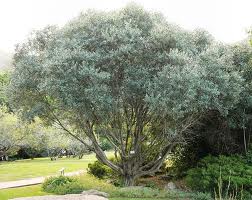
Olea europaea Africana -
African wild olive - antimalarial tree
ScienceDaily (2011-04-21) -- Research released in anticipation of World Malaria Day finds that plants in East Africa with promising antimalarial qualities -- ones that have treated malaria symptoms in the region's communities for hundreds of years -- are at risk of extinction. Scientists fear that these natural remedial qualities, and thus their potential to become a widespread treatment for malaria, could be lost forever.

Comments:

According to this article, researchers at the World Agroforestry Centre (ICRAF) and the Kenya Medical Research Institute (KEMRI), Common Antimalarial Trees and Shrubs of East Africa, are documenting and studying 22 of the region's malaria-fighting trees and shrubs which have been found to be antimalarial by both traditional medicinal practitioners and scientists.

Time is running out for these trees, though, because of deforestation and overexploitation for medical use without replacing the trees and cultivating new ones, but scientists are preserving them in a genebank as well as a nursery.

Here is one thing I want all alternative medicine lovers to be aware of, and it saddens me, too. The article states:
"Today, the world's newest, most-effective therapeutic treatment for malaria also comes from a plant, the Artemisia annua shrub. However, access to malaria therapies based on artemisinin compounds remains low -- around 15 percent in most parts of Africa and well below the World Health Organizations' 80 percent target. Additionally, the malaria parasite's ability to resist artemisinin is already beginning to emerge in Southeast Asia."
Here is our note of humility, humanity...

Mother Nature is in charge. She always was, and we will be one step behind her. Get a bacterial infection, then take an antibiotic, then the bacteria grows resistant to the antibiotic. Get an infection, then take an herb, then the bacteria grows resistant to the herb, too.

It's evolution in action, and there's nothing we can do to stop it. All we can hope to do is keep up, and try to maintain balance. But Mother Nature is crafty. Beautiful, mysterious, and creative, and has many tricks up her sleeve.

So just because it's an herb doesn't mean a parasite or bacteria won't develop resistance to it.

This aside: I really hope these scientists can protect and save as many of these trees as they can from destruction. It sounds like they are working hard on this problem. If they do, they may have in their hands future treatments for not only malaria but babesia, too.

Additional Sources:
http://www.worldagroforestrycentre.org/
http://www.kemri.org/

2) Learning to tolerate our microbial self: Bacteria co-opt human immune cells for mutual benefit

Source link: http://www.sciencedaily.com/releases/2011/04/110421141632.htm

B. fragilis
ScienceDaily (2011-04-22) -- The human gut is filled with 100 trillion symbiotic bacteria which we blissfully live with, although they have many features similar to infectious bacteria we react against. What decides whether we ignore -- or fight? In the case of a common "friendly" gut bacterium, Bacteroides fragilis, researchers have discovered the surprising answer: The decision is not made by us, but by the bacteria, which co-opt cells of the immune system for our benefit ... and theirs.

Comments:

So these scientists discovered that these friendly bacteria in mice, B. fragilis, can control regulatory T-cells in their immune system. These T-cells, by the way, are what protects our immune systems from attacking our own cells - they are basically anti-autoimmune cells.

B. fragilis can "trick" the immune system into activating these regulatory T-cells so they themselves will not get attacked.

How does this happen? The bacteria produces a molecule that receptors (called Toll-like receptors) on the regulatory T-cells pick up. When these regulatory T-cells get this "message", they suppress T helper 17 cells. By shutting those cells down, the bacteria is able to colonize the intestines.

This is not usually how Toll-like receptors are thought of - they are thought of as being part of a chain of communication in the immune system that works to get rid of bacteria - not keep it alive.

Question to my readers: What is the relationship between Toll-like receptors and Borrelia burgdorferi in people?

I'll give you time to research it if you don't know the answer, and will tell you next week.

Original Reference:
June L. Round, S. Melanie Lee, Jennifer Li, Gloria Tran, Bana Jabri, Talal A. Chatila, and Sarkis K. Mazmanian.The Toll-Like Receptor 2 Pathway Establishes Colonization by a Commensal of the Human MicrobiotaScience, 21 April 2011 DOI:10.1126/science.1206095

3) C. difficile increases risk of death 6-fold in patients with inflammatory bowel disease

Source link: http://www.eurekalert.org/pub_releases/2011-04/icl-cdi041911.php

Patients admitted to hospital with inflammatory bowel disease face a sixfold greater risk of death if they become infected with Clostridium difficile, a new study has found.

Comments:

The It-Could-Be-Worse News: A review published in 2010 estimated the overall mortality rate for patients with C. difficile to be 6 per cent.

Okay, 6%. I rather it'd be 0%, but 6% is a relatively small number compared to the rate of fatalities for other conditions.

The Bad News: Those most severely ill and the elderly are in a high risk for fatality from a nasty C. diff infection.

That's not good.

The Worst News: The mortality rate for IBD patients with C. difficile at 30 days was 25 per cent, compared with 3 per cent for patients with IBD alone.

25%. That's really not good.

I really don't know what to say to this other than it's scary. I hope research finds a way to prevent and cure IBD, and that we can prevent and more effectively treat C. difficile infections.

My advice:

1) Take your probiotics if you are using antibiotics. Eat yogurt  and/or take probiotics 3 hours after and before taking antibiotics daily.

2) Take Saccharomyces boulardii. There is some evidence it stops C. diff infections.

3) Avoid taking antibiotics unless it's absolutely necessary.

4) Get evaluated for Inflammatory Bowel Disease if you suspect you have it.

This not something to mess around with.

Original Reference:
 J.A. Karas et al. A review of mortality due to Clostridium difficile infection. Journal of Infection (2010) 61, 1-8.

4) 'Disease-Proof Mosquito' Could Spread Like Wildfire

Source link: http://news.sciencemag.org/sciencenow/2011/04/disease-proof-mosquito-could-spr.html

Scientists have identified several mosquito genes that, when tinkered with, decrease the mosquitoes' ability to transmit a virus or a parasite; they have also given the insects new genes that do the same.

My only comment for this is: Will we ever see a tick that is bred to not spread Lyme disease bacteria and coinfections? 

Is there anything beneficial in having any of these hosts carry these infections for anyone but the pathogenic agents? Any whatsoever at all?

No?

Then stop these pathogens in their tracks, please.
Read More

0 Phage Therapy and Borrelia burgdorferi

EDITED February 27, 2012 to include information on specific phages of B. burgdoferi.

Earlier this week, we discussed the use of phage therapy - the medical use of viruses found in nature that kill bacteria.

Phage therapy has been a part of regular medical treatment in Eastern Europe for over 85 years, but most of the research published has been in the Russian and Georgian languages since the primary former Soviet institution for the research and collection of a huge phage library has been in Tblisi, Georgia.

Eliava Institute of Tblisi, Georgia -
major bacteriophage research center
Those familiar with the Georgian language have stated that detailed documentation for double-blind controls was lacking in research mentioned, so the work as a whole wasn't taken seriously once translated. However, if research came from patient case studies, then documentation wouldn't require blind controls and simply record individual patients' responses. Either way, it is unknown to me how much of the research has been translated or has been made available for translation, given many people do not speak Georgian and because part of the research was written in the era of censorship in Soviet Georgia, some research may not have been published at all - even in a Russian translation.

Tbilisi's Eliava Institute, however, is not the only place in Eastern Europe that has conducted phage research - the Polish Academy of Science has a special institute that is also involved in phage research and therapy. You can learn about their current research here:
The Ludwik Hirszfeld Institute of Immunology and Experimental Therapy (Polish Academy of Science) and read specific research papers in English right here: Evergreen College Guide to Polish Phage Research.

Both of these institutions have had success in treating local patients as well as visitors from abroad. And with growing antibiotic resistance worldwide, one has to wonder why is it phage therapy isn't being used in the west to treat more patients? Why isn't it being used to treat Borrelia burgdorferi, the bacteria which causes Lyme disease?

These are two different questions, one of history and politics, and one of science. To explore them both requires a bit more backstory and examination of the FDA's regulations regarding the adoption of new medical therapies.

In the 1990's, entrepreneurs from the US and Canada traveled to the Eliava Institute to investigate their use of phage therapy and see if they could use the same medical treatment to help patients in the United States. Due to the FDA's regulatory system on all new therapies - especially combination or "cocktail" drug therapies - the use of phage therapy on patients in the United States would be a long way off, and any company investing in phage therapy would be using it for other purposes first.

As a result, in the United States, phage therapy is being used as a spray to protect all kinds of food (the FDA approved of treating cheese first, then other foods) from developing Listeria monocytogenes, bacteria that can lead to severe infection and sometimes even be fatal in vulnerable populations. There have also been treatments developed for veterinary healthcare, such as ear drops for dogs to treat ear infections (otitis media), and the most recent application of phages is using them on surgical equipment and clinic surfaces.

The road to adopting phage therapy for use on treating people in the western hemisphere has been a somewhat rocky one, given that the first entrepeneurs who went to Tblisi and came back to form a phage therapy research startup company had a bit of a falling out: The main financial backer for the company, Canadian Caisey Harlingten, was rumored to have had arguments over who would receive patent rights on work created with the company's new CEO, Richard Honour, and Honour decided to shut down work being done at the Eliava Institute and develop genetically modified phages in the US.

After this, personnel which had been recruited from Tblisi to go work in the United States for Harlingten's company were not happy with this arrangement, jumped ship, and went on to form their own startup, Intralytix. Intralytix - unlike other pioneering phage startups - decided to focus on phage treatments for animals and general products instead of human therapy.

After three years of operating at a loss, Caisey Harlingten resigned from his company, Phage Therapeutics - as did Richard Honour and the chief financial officer.

Last I read, Phage Therapeutics was supposed to have a particular phage that kills 93% of a broad spectrum of over 1,000 of S. aureus and S. epidermidis strains that were isolated from patients in the US, Canada, and South America. This phage was supposed to have been in preclinical trials and was supposed to enter clinical trials against eye infections.

But somewhere along the line, Phage Therapeutics changed hands, their stock devalued, and I discovered that as of February 22, 2008, Phage Therapeutics International Inc. was acquired by Surge Solutions Group, Inc. in a reverse merger. SSGI, Inc., through its subsidiary, Surge Solutions Group, Inc., provides construction and environmental services in Florida. Nothing to do with phage technology. What happened to the above mentioned broad spectrum phage mix?

Where one company falls, others spring up to take their place. There are a growing number of startups in the phage business, but mostly doing business like Novophage, which specializes in using phages to remove biofilms from industrial equipment.

The first clinical trials using phage therapy were conducted in Europe and America. One clinical trial involved a cocktail of eight bacteriophages (five against Pseudomonas aeruginosa, two against Staphlococcus aureus, and one against Escherichia coli) on leg ulcers in 2008 at The Wound Care Center in Lubbock, Texas.  Following that trial, the Southwest Regional Wound Care Center used bacteriophages along with other methods to treat antibiotic-resistant infections under a limited study. Further information on this study has not been published to date.

Bacteriophages are being studied in fighting against E. coli infections in Bangladesh, and phase 2a clinical trials in the UK have been conducted for using phage therapy on chronic inner ear infections caused by Pseudomonas aeruginosa at the Royal National Throat, Nose, and Ear Hosptial in London. Very positive results on clinical and bacteriological efficiency and safety concerns have been reported on this latter trial.

In 2010, a nebulizer treatment using bacteriophages of Burkholderia cepacia complex (full text) to treat cystic fibrosis was developed, and earlier study was completed on the development of an inhaler to treat Staphylococcus aureus or Pseudomonas aeruginosa. So far, the inhalers have yet to be tested on people.

There is an international conference on bacteriophages that is held in Olympia, Washington, and hosted by Evergreen College. Dr. Elizabeth Kutter, professor of microbiology at the college took a keen interest in bacteriophage therapy years earlier, and had traveled to Tbilisi herself to investigate the treatment and their results. Since then, she has been actively pursuing research into bacteriophages and promoting it for use in medicine. The college has its own special phage projects page you can look at to see research conducted on phage therapy around the world.

Even though there is interest in bacteriophages, few clinical evaluations have been published on them because the data available are at a very early stage, making it difficult to attract further funding - and as mentioned earlier, the use of phage often involves a "cocktail" of more than one virus to treat a patient and this challenges the FDA's regulatory standpoint on cocktail treatments.

Also, using phage therapy in Eastern Europe focused mainly on treatment for wounds and intestinal infections - conditions which could be treated using phages topically in ointments, sprays, and dressings or capsules and enemas. Intravenous therapy (IV) - while used on occasion - did not make up the majority of treatments given, so little has been known about their effectiveness.

There is some evidence that phage therapy can work in IV therapy, but it was suggested that in this form it is more likely to come with a drawback: just as Lyme disease patients experience a Herxheimer reaction from antibiotic therapy, patients receiving phage therapy can also have a Herxheimer reaction from phage therapy. One veterinary study, though, has shown that no notable negative reactions or effects were noted (Soothill, 2004).

As as a commenter on my previous post mentioned, there are shortcomings as well as benefits to the use of phage. But overall, the risks of using phage therapy seem lower than those of antibiotics so far because the antibiotic resistance issue and risk of C. difficile are gone (someone is even working on phage therapy for C. difficile).

Despite the growing evidence that phage therapy can be safe and effective, there are some challenges that even people who are most unfamiliar with phage therapy have pointed out at least one of them:
  • We don't know much about how phages interact with gut flora. Suspicions are most are benign if not helpful because we already have bacteriophages living in our stomachs and intestines all the time.
  • Some research has shown one kind of phage - T-even bacteriophage - show inhibition of lysis in low-oxygen environments. 
  • Both carbohydrates and bile salts can interfere with bacteriophages ability to replicate in the stomach. 
  • If a bacteriophage that was lytic becomes lysogenic, it will integrate with its host, enabling it to transfer bacterial virulence genes into other bacteria. This is why therapeutic phages must be entirely lytic and cannot carry toxic or housekeeping genes associated with lysogeny.
Even though these drawbacks exist, research is underway to find solutions that address them because the risk of not having phage therapy can be worse for some patients with very deadly infections which are becoming increasingly antibiotic resistant.

Can phage therapy work on killing Borrelia burgdorferi?

So far I have not seen any phage therapy research for Borrelia burgdorferi - however, the Phage Therapy Center for patients in Tblisi, Georgia claims they have phage therapy to treat Lyme disease coinfections.

In terms of phage therapy for Lyme disease itself, though - the best answer I can give at this writing is a theoretical maybe someday.

This is based on the idea that there is a phage for every bacteria out there if we were only to look for it and find it. It's also based on the idea that we have the technology available to potentially modify Lyme disease's known phages in order to change its behavior - or perhaps create a delivery system which could lyse Borrelia in a manner that phage does.

But so far - unlike Staphloccocus and other bacteria - few phages which attack and kill Borrelia have been documented. Publications on virulent phages of Borrelia are sparse, and there is only a little more documentation on phages in spirochetes as a whole.

B3-like morphology
phage on spirochete
In 1982, Hayes, Burgdorfer, and Barbour recorded their observations of a phage attacking Borrelia burgdorferi in vivo and took photographs to record the event. The images captured are of a B3-like bacteriophage, described by the researchers as having a "40- to 50-nm elongated head and a tail 50 to 70 nm in length. It appears devoid of collars or kite-tail structure".

There are two aspects of these images below which are  compelling: One is that they give us a rare glimpse of a phage which can actually kill Borrelia burgdorferi. (Wouldn't it be fabulous if we could somehow find a way to harness this as a treatment method, and find phages for all strains of Borrelia?) The second is that we have a photo of gemmae - a form of Borrelia which is not mentioned much in today's genomic oriented Borrelia research.

  •  (a) Section profile of a gemma with its attendant membrane bound granules or spherical bodies. Arrows indicate cross-section profiles of bacteriophage heads. (b) Internal attachment of bacteriophage to outer membrane material after plasmolysis of the spirochete. Arrows indicate remnants of plasma membrane.
A passage within the text, "Bacteriophage in the Ixodes dammini Spirochete, Etiological Agent of Lyme Disease", sheds some light on what is known about this phage and its relationship to Borrelia burgdorferi:
"Thus far, only those spirochetes showing left-handed coiling have been found to be phage infected. Figure ld shows phages that are associated with a spirochete with left-handed coiling. Bacteriophage heads in longitudinal and cross-sectional profiles were also observed within granules located within the aneurysmic blebs (Fig. 2a).

Completely assembled phages were more clearly seen in rarely occurring plasmolysed cells (Fig. le and 2b). In negatively stained preparations of spirochetes, they have only been detected internally (Fig. 2c). Bacteriophages previously reported to infect other spirochetes (15-17) are described as polyhedral and tailed (7) or cubic (5) in symmetry."
It appears that only those spirochetes which coil in a counterclockwise direction had phages. Why didn't any spirochetes with a clockwise coil have phages? Is there some inherent difference in their surface which makes it harder for phage to adhere to them?

In 1993, Neubert et al wrote about finding phage which were induced while introducing the antibiotic, ciprofloxacin, to Borrelia spirochetes. These A-1 and B-1 type phages were not virulent phages such as Hayes et al's B3-like phage.

The ultimate Borrelia book, "Borrelia: Molecular Biology, Host Interaction and Pathogenesis", has some passing mention of phages of Borrelia as well as a map of known and possible prophages in its plasmids. It also mentions a more recent discovery than Hayes, Burgdorfer, and Barbour's B3-like phage.

phiBB-1, prophage of
Borrelia burgdorferi
In 2001, Eggers et al published their discovery of a phage of Borrelia burgdorferi (Bb) named phiBB-1 (also written as Ï†BB-1). It is not the best candidate for use in bacteriophage therapy because it is a prophage - also known as a temperate phage or lysogenic phage.

Lysogenic phages remain inactive as viruses when they are prophages, and only replicate together with the host genome unless mobilized. In contrast, virulent phages, having replicated and assembled into complete virions, cause rapid lysis and death of the bacterial cell, with release of 10–100 virions per phage; these virions then find more prey and die out when they cannot find any more bacteria.

Every time Borrelia burgdorferi divides, the viruses internalized in its plasmids divide with it. The viruses are an integral part of the plasmids and contribute to the functionality and antigenic variation of the spirochete - they have become part of the bacteria. In technical terms: The phiBB-1 prophage is capable of transducing a cp32 (circular plasmid) between cells of the same isolate and between different Bb isolates (gene transfer between different Borrelia spirochetes). This means this prophage could play a role in the genetic diversity of different Bb isolates.

Lytic-Lysogenic Phage Cycles
image by Suly12, Wikipedia
See the image to the left. If a bacteriophage is virulent, it will deposit its genes into bacteria so that it replicates and kills the bacteria from inside by lysing its membrane. The viruses then continue in search of more of the same bacteria to feast on. This is called the lytic cycle.

But if a bacteriophage is temperate or lysogenic, though - a prophage - then it will deposit its genes into bacteria so that they mix with the bacteria's own genes and divide with them each time the bacteria divides. This is called the lysogenic cycle.

Borrelia burgdorferi's plasmids contain virus genes which are locked into the lysogenic cycle.


Hypotheses Of Altering Phages To Lyse Borrelia

In order to put phiBB-1 to work at killing Bb, someone would have to genetically engineer it or introduce some agent which turns it into a virulent phage that kills Bb rather than adding its own DNA to its plasmids. Or, maybe phiBB-1 could be modified in a different way: don't bother changing its prophage nature, just program it to turn off DNA replication and gene expression in the bacteria's plasmids.

Another thing that could be done is to have someone extract the lysing proteins that work with phiBB-1 and find a method of delivery to Bb so those proteins could go to work on killing Bb outside in - maybe attach it to a non-pathogenic adenovirus that is programmed for such an adventure. There are such delivery systems being experimented with in general right now - but nothing yet for Borrelia.

These are wild hypotheses about how an existing phage we know about could be used to kill Bb, but it is not proven this would work. People are thinking of the biotech applications of phiBB-1 - but so far, I have seen only one patent application referring to its use.

The best option, obviously, would be to find naturally occurring phages which lyse Borrelia burgdorferi (as well as other strains) and find a method for using them to treat patients - though there are likely to be technical challenges in applying this as well.


References:
Wired magazine: http://www.intralytix.com/Intral_News_Wired.htm
A controlled clinical trial of a therapeutic bacteriophage preparation in chronic otitis due to antibiotic-resistant Pseudomonas aeruginosa; a preliminary report of efficacy. Wright A, Hawkins CH, Anggård EE, Harper DR. Clin Otolaryngol. 2009 Aug;34(4):349-57.
Viruses Vs. Superbugs: A Solution to the Antibiotics Crisis? By Thomas Häusler
Soothill, J.S. Hawkins, C. Anggard, E.A. & Harper, D.R. (2004) Therapeutic use of bacteriophages. Lancet Inf. Dis. 4, 544-545.
Microbiologist, the magazine of the Society for Applied Microbiology (June 2009, Vol.10 No.2)
Bacteriophage Therapy: Exploiting Smaller Fleas. Stan Deresinski. Clin Infect Dis. (2009) 48 (8): 1096-1101. doi: 10.1086/597405 link: http://cid.oxfordjournals.org/content/48/8/1096.full
Bacteriophage in the Ixodes dammini Spirochete, Etiological Agent of Lyme Disease. Stanley F. Hayers, Willy Burgdorfer, Alan G. Barbour. Journal of Bacteriology, June 1983, p. 1436-1439. link: http://www.ncbi.nlm.nih.gov/pmc/articles/PMC217620/pdf/jbacter00247-0414.pdf
Demonstration of Cotranscription and 1-Methyl-3-Nitroso-Nitroguanidine Induction of a 30-Gene Operon of Borrelia burgdorferi: Evidence that the 32-Kilobase Circular Plasmids Are Prophages. Hongming Zhang and Richard T. Marconi. Journal of Bacteriology. December 2005, Vol. 187, No. 23 p. 7985-7995.
Bacteriophages induced by ciprofloxacin in a Borrelia burgdorferi skin isolate. Neubert U, Schaller M, Januschke E, Stolz W, Schmieger H. Zentralbl Bakteriol. 1993 Aug;279(3):307-15. link: http://www.ncbi.nlm.nih.gov/pubmed/8219501 Bacteriophage-like particles associated with a spirochete. Berthiaume L, Elazhary Y, Alain R, Ackermann HW. Can J Microbiol. 1979 Jan;25(1):114-6.
link: http://www.ncbi.nlm.nih.gov/pubmed/427652
http://en.wikipedia.org/wiki/Lysogenic_cycle


Read More

Tuesday, April 19, 2011

0 Chart: Effectiveness of different alternative medicine ingredients

I found this link on alternative medicine online that you might find interesting:

LINK: A visualization based on the effectiveness of different alternative medicine supplements, spices, oils, and herbs

Each item represented there is based on PubMed and Cochrane reports on large human blind placebo-controlled studies only.

If you click on the bubbles, you'll be taken to abstracts which support the use of those particular alternative medicines for specific conditions.

Note these directions found at the bottom of the page before you go there:
"The higher a bubble, the greater the evidence for its effectiveness. But the supplements are only effective for the conditions listed inside the bubble. (Mouseover the bubble to see what I mean.) 
You might also see multiple bubbles for certain supplements. These is because some supplements affect a range of conditions, but the evidence quality varies from condition to condition. For example, there’s strong evidence that Green Tea is good for cholesterol levels. But evidence for its anti-cancer effects is conflicting. In these cases, we give a supplement another bubble."
The chart is Flash based, but there is a link to a non-Flash version there if you prefer that (iPhone users take heed.)
Read More

Sunday, April 17, 2011

5 One way to treat Borrelia naturally?

Many Lyme disease patients have used antibiotics for treating Lyme disease and other tickborne coinfections. They have years of scientific study behind them and many reports of patient improvement come from doctors and specialists - patients have had a lot of success with them.

But sometimes antibiotic use leads to various side effects, digestive problems, and potentially, undesirable secondary infection with C. difficile. Using probiotics can often help with digestive problems and prevent C. difficile, but it is not guaranteed.

In some cases - due to allergies or intolerance of the side effects - patients have to stop antibiotic treatment. Because of this, patients have opted at some point in their treatment to stop taking antibiotics after a while and switch to alternative treatments such as herbs.

Whether a patient decides to use antibiotics or herbs, one thing on the horizon seems certain: Eventually antibiotic resistance will lead to more restrictive use of antibiotics, and antibiotic resistance may challenge patients' ability to treat some of their own infections.

However, there is one completely natural possibility that might treat Borrelia and some other tickborne infections in the future which is rarely mentioned in the west other than as a curiosity - yet everyone in the world is surrounded by this abundant and prosperous source of healing from nature all the time.

Much as there are different probiotic bacteria are found in yogurt and probiotic supplements that Lyme disease patients take -- there are viruses in our environment that are helpful to us.

A lot people think of a few things when they hear the word "virus": they think of H1N1 or the swine flu, colds, herpes, HIV, and meningitis, for a start. Not good things. But like the probiotic bacteria that we consume in yogurt all the time, viruses are also present in our environment - in our food, our soil, our drinking water, and our own digestive systems.

Like adding probiotic mixes to your yogurt, these helper viruses have been approved by the FDA to be sprayed on the surface of cheese across the US in order to prevent the development of the bacteria, Listeria monocytogenes, from causing serious disease in pregnant women,  immunocompromised people such as cancer patients, and those with immuno-deficiences. Thousands of people can be severely sickened by Listeria and in some cases even die. So the use of these viruses in food such as cheese is beneficial.

In addition to providing protection from harmful bacteria in food, these helpful viruses have also been used to help save baby calves from dying of diseases which cause severe diarrhea and prevent salmonella from colonizing chickens.

The method for treating these cases was find out which bacterial strains the animals were infected with in order to find the viruses which would eat them. Then use these viruses just as they are found in nature, with no genetic engineering required - put the viral material in pills, injections, or lotions in order to treat the infection.

So this leads one to wonder if this all-natural, non-GMO treatment which is low-cost compared to antibiotics and so abundant in nature can kill off bacterial infections in animals - why can't they kill off infections in people too?

Well, they can.

Watch the next two videos, paying special attention to the first video.


The first video is a 48 minute BBC documentary on the use of viruses to kill bacteria, also known as "bacteriophage therapy" in the former Soviet republic of Georgia, in the Eliava Institute of Tblisi.

Note that if the institute seems run down, filming was done after the collapse of the Soviet Union and the hospital just came out of a civil war - thus buildings had poor maintenance, but the technology to use bacteriophage therapy was in place and used. (After a period of economic instability and social problems - followed by the Rose Revolution - Georgia and Tblisi have been doing much better in the past several years.)

So this documentary is a little dated but general principles remain the same - it explains very well what bacteriophage therapy is and how it has been used in Europe for over 60 years through the 1990's (it continues to be used today - more on recent research using phages will be posted this week).

Youtube (3 parts)

BBC Horizon - 1997 - The Virus That Cures


This second video is from Canadian television as well as CBS news and is more recent - it contains two clips back to back about two people who were treated with phage therapy and their results. Don't miss it - the results are amazing when you realize the initial prognosis each patient was given.

Case studies on phage treatment plus Evergreen College, 
Washington State phage research - [Time: 9:26 minutes]

Is bacteriophage therapy this effective? Does it have any pitfalls? Why don't we hear more about it here yet, given the rising number of cases of antibiotic resistance to deadly bacteria such as MRSA? What can it treat so far? How can this treatment help Lyme disease patients in the future? Here's just one more video just to get a different angle on it from Australian news (Channel 7 and Channel 9). It talks more about history, plus business investments and projections for human trials...
The Forgotten Cure - on Sunday Sunrise, Channel 7 - 
plus a short clip on phages from Channel 9
More on this later this week - for now, check out the videos and let me know what you think, including your own questions and concerns about this kind of medical treatment. [CO note: Continue reading part two of this series, "Phage Therapy and Borrelia burgdorferi".]
Read More

The Camp Other Song Of The Month


Why is this posted? Just for fun!

Get this widget

Lyme Disease

Borrelia

Bacteria

Microbiology