Lyme disease, science, and society: Camp Other
Showing posts with label science. Show all posts

Wednesday, April 25, 2012

2 Strange But True Facts About Spirochetes

Image: Kilauea Volcano
by Brian Snelson

I have a few strange but true facts about spirochetes to share which you may not know. A few are ones I have shared here before  - but most are not something about which I've already written. What you read here today may surprise you...


  • Many people call Borrelia burgdorferi spirochetes Gram negative bacteria. However, Borrelia burgdorferi are not Gram-negative bacteria even if a Gram negative stain works on them:

    "Borrelia were thought to be Gram negative because of their double membrane structure, but genetic analysis places them - along with other spirochetes - into a separate eubacterial phylum. Ultrastructural molecular and biochemical studies have emphasized the wide taxonomic gap between spirochetes and Gram-negative bacteria."

    - From "The Genus Borrelia" by Melissa Caimano. Prokaryotes (2006) 7:235-293.
  • Unlike Leptospira and Brachyspira, spirochetes in the Borrelia and Treponema genera appear to have acquired Phenylalanyl-tRNA synthetase (PheRS)  genes from Archaea through horizontal gene transfer. [1] Borrelia and Treponema have Archaea genes.
  • Somewhere along the line, an ancient Spirochaeta relative picked up genes from Archaea's order, Thermococcales. Borrelia and Treponema have close affinities with Thermococcus and Pyrococcus (not depicted on tree).[1]
  •  The fascinating thing about this genetic relationship is that these genes come from organisms which are extremely thermophilic organisms. They are extremophiles - which means they can live in extreme environments. Thermophilic extremophiles thrive in hot environments such as volcanic vents and hot springs. That genes from extremophiles would end up in mesophilic organisms which thrive in lower temperatures - such as in mammalian and acarian hosts - seems surprising. The highest temperature Borrelia garinii can still grow in is around 41-42 C. That's not anywhere near the high temperatures in which one finds Archaean Thermococcales (often over 60 C, sometimes as high as 100 C).
  • This all does seem really weird. But the reason why it isn't too far fetched to see genes from extremely thermophilic organisms in moderately warm Borrelia and Treponema is more easily understood once you know more about the wide diversity found within the genus Spirochaeta in general. A number of Spirochaeta species live in extreme environments and not just in humans, animals, or ticks. For example:
    • S. halophila lives in a high salinity pond on the Sinai shore.[2]
    • S. thermophila lives in marine hot springs in New Zealand and Russia.[3]
    • S. americana lives in alkaline, hypersaline Mono Lake in California.[4]
Champagne PoolWai-O-Tapu, near Rotorua, New Zealand by Christian Mehlführer

  • When looking at a phylogenetic tree, Spirochaeta is at the base of the tree and Borrelia and Treponema branch off later. Based on this, the best assessment one can make about the gene transfer from Archaea to Spirochaeta is that the most recent common ancestor of Spirochaeta, Borrelia, and Treponema had to have been very similar to thermophilic Spirochaeta.
  • My running joke on this is to imagine a pile of thermophilic Archaea and thermophilic Spirochaeta hanging out around a hot spring together, laughing, joking, and flirting. Before you know it, horizontal gene transfer occurs, and a new form of spirochete is born. (This would make for a good Far Side comic, I just know it.)
  • As if having Borrelia acquire Archaea genes wasn't interesting enough, it's been thought that ProS prolyl-tRNA synthetase (BB402) was acquired from a eurkaryote.

  • Treponema spirochetes have a symbiotic relationship with termites. These spirochetes help termites in breaking down cellulose in wood in the termites' guts. So it isn't just ticks which have a symbiotic relationship with spirochetes - termites have one, too.[1, 5]

  • Borrelia burgdorferi survives on the equivalent of tick antifreeze in the tick's midgut inbetween tick blood feeding cycles. Borrelia burgdorferi prefers glucose when in the tick, but it will feast on glycerol instead. See: http://spirochetesunwound.blogspot.com/2011/10/lyme-disease-spirochete-feasts-on-tick.html
  • Both Borrelia hermsii and Borrelia burgdorferi metabolize chitobiose and N acetyl-glucosamine, a nutrient of these spirochetes and the major constituent of chitin for the exoskeletons of ticks.[6]
  • Borrelia have most of the genes required for the enzymes which make up the mevalonate pathway - a metabolic pathway used by the bacteria for synthesis of isoprenoid precursors. Isoprenoids are very important compounds which are found in over 30,000 products from the three domains of life (Eukaryotes, Prokaryotes, and Archaea). One interesting proposal about how Borrelia has the genes required for these enzymes for this pathway is that they come from the genetic cenancestor - an ancestor which predates the split into the three domains.[7]
     
  • In Act II of Samuel Beckett's play, Waiting For Godot, one character, Estragon, curses at the other, Vladimir, by calling him, "Gonococcus! Spirochete!"
Spirochetes continue to hold surprises and mysteries for us all... both good and bad. Another interesting installment of strange spirochete facts could be posted here - probably not too far in the future.

References:

1) Cheryl P Andam and J Peter Gogarten. Biased gene transfer and its implications for the concept of lineage. Biology Direct 2011, 6:47 doi:10.1186/1745-6150-6-47
2) Greenberg EP, Canale-Parola E: Spirochaeta halophila sp. n., a facultative anaerobe from a high-salinity pond. Arch Microbiol 1976, 110:185-19
3) Aksenova H, Rainey F, Janssen P, Zavarzin G, Morgan H: Spirochaeta thermophila sp. nov., an obligately anaerobic, polysaccharolytic, extremely thermophilic bacterium. Int J Syst Bacteriol 1992, 42:175-177
4) Hoover RB, Pikuta EV, Bej AK, Marsic D, Whitman WB, Tang J, Krader P: Spirochaeta americana sp. nov., a new haloalkaliphilic, obligately anaerobic spirochaete isolated from soda Mono Lake in California. Int J Syst Evol Microbiol 2003, 53:815-821.
5) Droge S, Frohlich J, Radek R, Konig H: Spirochaeta coccoides sp. nov., a novel coccoid spirochete from the hindgut of the termite Neotermes castaneus. Appl Environ Microbiol 2006, 72:392-397.
6) Tilly, K., Elias, A.F., Errett, J., Fischer, E., Iyer, R., Schwartz, I., et al. Genetics and regulation of chitobiose utilization in Borrelia burgdorferi. J Bacteriol 183: 5544–5553.
7) Jonathan Lombard and David Moreira. Origins and Early Evolution of the Mevalonate Pathway of Isoprenoid Biosynthesis in the Three Domains of Life. Mol Biol Evol  2011, 28 (1): 87-99. doi: 10.1093/molbev/msq177 http://mbe.oxfordjournals.org/content/28/1/87.full


Read More

Tuesday, April 24, 2012

3 Commentary: Critical Mass In The Media On Lyme Disease

It's April, and it's already that time of year again for Lyme disease: The media has been stepping up its coverage of Lyme disease related news items in preparation for May, which is Lyme disease awareness month.

For example:
Health Department Issues Warning About Ticks (Ohio)
10 Tips To Beat The Ticks (msnbc)
Lyme Disease Is On The Rise In New Jersey And Pennsylvania
Arkansas On Track For More Tickborne Illnesses This Summer
Scientist Says Lack Of Acorns May Mean More Lyme Disease In Maine
Minnesota: State's tick season crawling to an early start
Tick bites on the rise in Central Florida, county says
Tick season gets an early start (Iowa)
It's tick season in Lake, Mendocino counties (California)

Canada has been getting in on the action:
How to prevent disease infection after research finds Lyme-carrying ticks are on the rise in Canada
Toronto: Climate change causes Mississauga infestation
Tick season is here (Kamloops)

And also the BBC in the UK:
Great outdoors? Ticks, pets and the risk of Lyme disease
Seeking to solve the Lyme disease puzzle

All these links are to articles I just grabbed off Google News in a matter of seconds. There are so many news items listed that I could not mention them all and just selected links representative of the fact that  Lyme disease is getting more attention across the United States and the northern hemisphere in general.  If I search further afield, I'm sure I could include links from France, the Netherlands, Germany, and other countries.

This year, I noticed that the news cycle has been slightly different. The media has been discussing that tick season was going to be earlier than usual and worse than usual when it was just barely into the new year. And with this has come more stern warnings to the public to protect themselves from tick bites and prevent infection.

The media has been on top of things, it seems. How about me? As someone who has suffered from Lyme disease and coinfection, I've been thinking about my own role in how to participate activities related to this year's Lyme disease awareness month.

Last May, I wrote a series of articles for The Daily Kos for Lyme disease awareness month. Time is obviously running out to decide whether or not to write again this May, and I am leaving the decision to the last minute just as I did the previous year.

I think traditionally calling attention to Lyme disease prevention in May has made sense. But I can't help but think that being aware of all tickborne infection throughout the entire year is a better approach.

One reason why is because the world is changing. Global warming and fluctuations in the ecosystem can lead to different tick breeding times and infection patterns. Local microclimates and winters which are milder on average can lead to peak cases of Lyme disease being reported in autumn and early winter - as they have been reported in California and parts of Oregon. And if Australia turns out to have its own increase in Lyme disease cases which run according to their seasons, then timing for prevention and education would differ from North America by six months.

Another reason why is that it doesn't hurt to put the message out there all year round is because more people are likely to hear it and be aware about the potential problems tick bites can bring before they are in circumstances where they are more likely to get bitten...Hopefully they won't get bitten at all.

Any month where people are going to be going outdoors and placing themselves in environments where they are likely to encounter ticks is a month where one should take the steps necessary to protect themselves from tick bites.

My own basic online version of tickborne disease prevention education
has been this page: http://campother.blogspot.com/2011/06/video-tick-removal.html

It has two videos - one an animation about preventing oneself from being bitten by a tick and another about how to create your own tick removal kit.

Overall, I think there is a fair amount of information available about prevention and avoidance of Lyme disease and other tickborne infections. And it's good to repeat this information and give people reminders.

The Fear of Taking It Too Far?

From my own personal perspective - after years of reading articles about the prevention and avoidance of ticks - I'm in a position where I'm trying to figure out what seems to be the opposite problem: how not to go overboard in preventing and avoiding tickborne infection.

And it is a good question: What exactly is going overboard when one has had their life changed entirely (and not in a good way) by having contracted a tickborne infection? Some people might argue there is no such thing as going overboard.

I know it's possible that some day I could be hiking and get bitten by a tick again. That concern is real. The fear behind getting another infected tick bite is real. And I have asked myself, "Do I really want to hike again?"

Hard question. But it's still difficult to say no. In terms of risk reduction, I would rather give up living with a pet than give up spending time outdoors.

I love the great outdoors, and I miss hiking and camping - two activities which put me at the most risk for tick bites. I'm not doing either these days due to fatigue, pain, and lack of stamina. But if I were to suddenly become completely well again, I would have to think twice about how I could return to these activities and remain unscathed by ticks.

There has been a sense of loss that comes from not engaging in activities I once used to do all the time.  Hiking was a walking meditation for me that worked better than sitting in a crowded room full of people doing yoga poses. And cheaper, too.

Out in the woods, I could be alone with my thoughts and close to the earth. I could get in tune with my body and push its limits without anyone watching. I could stretch my muscles, climb rocks, and see how far I could go.

Today I feel weak and broken. I miss feeling stronger. I miss being out in nature, in the elements, encountering wildlife.

I also miss sitting near a campfire, eating and drinking with friends while telling tall tales and bad jokes... It's amazing how much I took for granted that I now miss.

I've figured out that there are things I could do to ease back into the activities I love to do while lowering my risk. I could focus on cycling, swimming, sailing, canoeing, scuba, urban walks, and hiking and camping in rocky mountainous and desert areas where ticks are far less likely to be encountered. It might take more advance planning to do some of these things - but time outdoors wouldn't have to stop. Activities may just need to be modified to alleviate my concerns.

But all this is only going to happen once I am well enough and have energy enough to do these things at all.

Shifting From A Narrow Focus On Fear Of Ticks To Action On Chronic Lyme

From where I sit, I think the awareness message has to be broader than "ticks are out there, they carry nasty infections, protect yourself from their bite"... I think the message has been getting out there, little by little, that if one does get bitten that early diagnosis and treatment is crucial.

But the bigger message which has to get out is that more research on preventing and treating late stage chronic Lyme disease is needed because this is the one aspect of Lyme disease which is the most damaging (and controversial) of all.

The science needs to be brought to public light from those who are up to their ears in it. I'd like to see more researchers being interviewed and not just patients. I'd like to see doctors discussing how much - and how long - these infections can affect one's quality of life. I'd like to see various people discuss the Embers' study on national TV. I'd like to see someone have the balls to actually discuss whether or not there can be a persistent infection in Lyme disease and mention all the studies which have been done to date on both - or rather, all - sides of the fence. I'd like to see a genuine open scientific debate.

I see it as I call it, and how I see it right now is that the dialog about Lyme disease needs to be taken past the human interest story and past the public health department's annual warnings about increasing cases of tickborne infections. A good move in this direction has been discussing the impact of global warming on the spread of ticks. An even better move would be to discuss what we can do to stop the most serious impact that Lyme disease has on us, our families, and our pets in the form of chronic and persisting symptoms.

A call for more research is needed. A call for more young people to study microbiology and immunology to better understand tickborne infections is needed. A call for more surveillance in new latitudes is needed. A call for more detailed public education on Lyme disease is needed. And a call for more serious candid discussions from the media - and not just daytime TV sensationalism - is needed.

How do we get from here to there? If I have any role in this, then it's going to have to be directed towards answering this question - whether it's May or not.

Image credit: © Jarek Tuszynski / Wikimedia Commons / CC-BY-SA-3.0 & GDFL

Read More

Wednesday, February 29, 2012

0 A Win For Free Access To Publicly Funded Research

A couple weeks ago I posted about the Research Works Act, and how it would force the public to pay twice for research their hard earned tax dollars already funded.

Today, I'm glad to report that the Research Works Act was rejected. Representatives Issa and Maloney pledged not to move the legislation forward. Infojustice's web site posted about this turn of events, and scathing commentary has ensued concerning the pay wall that is Elsevier.

Read about it here: http://infojustice.org/archives/8477

Also, see this article in The Scientisthttp://the-scientist.com/2012/02/28/elsevier-abandons-anti-open-access-bill/


Read More

Sunday, January 22, 2012

0 US HR Bill 3699 Would Put Tax Payer Funded Science Behind Pay Walls

US HR Bill 3699: I have a stake in this one. Many people have a stake in this one. I think that tax payer funded scientific research should be open access and published online as it has been in PLoS ONE and PubMed.

I value high quality peer-reviewed research. It's important. And peer-reviewed journals with high standards and ethics are necessary.

Given the amount of work involved, I think it's okay for privately funded research to be behind a pay wall for certain period of time - publishers need to recoup their money for editing and publishing journals which include not only research papers but articles, letters, and reviews.

Once more knowledge milestones are met and that privately funded research becomes effectively dated then it would best be released into the wild where the general public and students at community colleges and high schools could access it for free.

But this bill? This bill would ensure charging access to tax payer funded research.

An excerpt from the Doing Good Science blog on Scientific American web site pretty much sums up my own thoughts about it:
"The public is all too willing already to see public money spent funding scientific research as money wasted. If members of the public have to pay again to access research their tax dollars already paid for, they are likely to be peeved. They would not be wrong to feel like the scientific community had weaseled out of fulfilling its obligation to share the knowledge it builds for the good of the public. (Neither would they be wrong to feel like their government had fallen down on an ethical obligation to the public here, but whose expectations of their government aren’t painfully low at the moment?) A rightfully angry public could mean less public funding for scientific research — which means that there are pragmatic, as well as ethical, reasons for scientists to oppose the Research Works Act."
Read more commentary about this at the Doing Good Science blog on the Scientific American web site:
http://blogs.scientificamerican.com/doing-good-science/2012/01/06/the-research-works-act-asking-the-public-to-pay-twice-for-scientific-knowledge/

The original text of US HR Bill 3699:
http://thomas.loc.gov/cgi-bin/query/z?c112:H.R.3699:


Read More

Tuesday, November 1, 2011

0 Institute of Medicine Final Report on October 2010 Tickborne Disease Workshop

Back in October 2010, the Institute of Medicine (IOM) held a workshop which was broadcast online live (and remains available at TV worldwide), Critical Needs and Gaps in Understanding: Prevention, Amelioration, and Resolution of Lyme and Other Tick-Borne Diseases: The Short-Term and Long-Term Outcomes.

The workshop participants were members of the Institute of Medicine, various researchers, doctors, and members of the Lyme disease patient advocacy community.

A preliminary summary report on the workshop was published by the IOM in April 2011. Now, an official final report has been published and is available on PubMed:

http://www.ncbi.nlm.nih.gov/pubmed/21977545

For a more detailed table of contents, try:

http://www.ncbi.nlm.nih.gov/books/NBK57020/

Editors: Committee on Lyme Disease and Other Tick-Borne Diseases: The State of the Science.

Source: Washington (DC): National Academies Press (US); 2011.
The National Academies Collection: Reports funded by National Institutes of Health.

Excerpt

It was obvious to participants at the workshop that a significant impasse has developed in the world of Lyme disease. There are conflicts within and among the science; policy; politics; medicine; and professional, public, and patient views pertaining to the subject, which have created significant misunderstandings, strong emotions, mistrust, and a game of blaming others who are not aligned with one’s views. Lines in the sand have been drawn, sides have been taken, and frustration prevails. The “walk in the woods” process of conflict resolution or a similar process seems necessary for creating a new environment of trust and a better environment for more constructive dialogue to help focus research needs and achieve better outcomes. Such a process does not imply a compromise of the science but rather is needed to shift to a more positive and productive environment to optimize critical research and promote new collaborations.


I'd have to say this is a good report for those who are new Lyme disease and other tickborne illnesses to read in order to get an idea of what issues concern researchers and patients.

In terms of an action item plan and treatment to help patients, though, this report is lacking in either and what is sorely needed at this point in time.

Read More

Tuesday, October 25, 2011

0 News: New Molecular Test Could Detect Early Lyme Disease

The Guardian has written about a new molecular test using nanoparticles which was developed by Alessandra Luchini, of George Mason University, to initially detect cancers. The new test is being used in clinical trials to detect early Lyme disease - even if there is no rash present in the infected patient.

Excerpt that will be of interest to readers:
"Q: In years to come, is this something that could be available in hospitals? 
That's the hope we have. The first clinical trial is on the detection of Lyme disease. A fraction of patients get a skin rash but for those without the rash it is very difficult to diagnose. So with the particles we are able to capture the antigens that come from the spirochaete that is the causative agent of Lyme disease. If we see in the urine a piece of the bacteria of the spirochaete, we are sure that the patient has Lyme disease. We are gathering all the evidence and then we will need to go first for FDA approval before it is available in clinics. 
Q: How much earlier will you be able to detect Lyme disease? 
Lyme disease has a window of two to three weeks before seroconversion [production of antibodies in the host blood, indicating infection]. With our tests, we're able to detect it before seroconversion, because we're not looking for the antibodies, we just look for the spirochaete. I would say here, yes, by weeks, and earlier diagnosis would be beneficial for the prognosis."
Comment: One thing this does make me wonder about is how similar this test is to Temple Douglas' hydrogel nanoparticle test for early detection of Lyme disease. Maybe it's time to do a compare and contrast of patent application content?

MORE here at the link: http://www.guardian.co.uk/technology/2011/oct/23/bright-idea-nanoparticle-trap-cancer

Read More

Tuesday, September 27, 2011

1 LDA-Columbia Lyme 2011 Conference Line-up

On October 1 and 2, there will be a combined LDA/Columbia-Lyme Conference held in Philadelphia, Pennsylvania.

Below is an outline of the conference speakers and topics...

Keynote Speaker: J. William Costerton, PhD
The Role of Biofilms in Chronic Bacterial Infections

Eva Sapi, PhD
Killing Borrelia: An impossible job?

Jason A. Carlyon, PhD
Interior Decorating: Anaplasma phagocytophilum Remodels Its Host Cell-Derived Vacuole into A Protective Niche

Richard Marconi, PhD, Co-Course Director
c-di-GMP Regulates Key Steps in the Enzootic Cycle of Tick-Borne Spirochetes

Chris Earnhart, PhD
Lyme disease vaccine: an update on recent progress

Dr. Ed Masters Memorial Lecture: Robert S. Lane, PhD
Diversity of Borrelia burgdorferi s.l. genospecies and genotypes in California, and Implications for human infection.

M. Karen Newell Rogers, PhD
A New Model of Intervention for Lyme Disease by Targeting Chronic Inflammation and Selective Aspects of Immune Activation

Robert Yolken, MD
Infections and Human Neuropsychiatric Diseases

Josep Dalmau, MD, PhD
Clinical spectrum and cellular mechanisms of autoimmunity to NMDA and other synaptic receptors

Dr. John Drulle Memorial Lecture: John Aucott, MD
Early microbiologic and immunologic events in Lyme disease

Reinhard K. Straubinger, PhD
Canine and equine Lyme borreliosis – The animals’ perspective of the disease.

Benjamin J. Luft, MD
Diagnostics: update on protein arrays and new Lyme assays

Brian Fallon, MD, Co-Course Director
What is Chronic Lyme Disease? Models and evidence

Andrew W. Walter, MD
Update on Ehrlichiosis and Hemophagocytic Lymphohistiocytosis in Children

Andrea Gaito, MD
Clinical Evaluation and treatment of Lyme Arthritis; An autoimmune perspective

Ingeborg Dziedzic, MD
What everyone should know about Eyes & Lyme Disease

Vijay Thadani, MD
Epilepsy update: Distinguishing Epileptic from Non-epileptic seizures

Steve Bock, MD
Complementary and Integrative Medical approaches to Chronic Tick-borne Disease

Elizabeth Maloney, MD
The treatment of Lyme disease - a critical review of the literature – lessons, gaps, and future research needs


I think this conference holds more scientific weight to it than other Lyme disease-related conferences I've seen, so if anyone is going to be in Philly and attends, please take notes to share with us all.

(I won't be able to attend as I have a previous commitment scheduled before I knew this conference was going to be held at this time in October.)

Read More

Monday, September 26, 2011

0 Round Three: Lyme Disease Research Scavenger Hunt

I gave readers an extension until midnight of Friday the 23rd for participating on Round Two of the Lyme Disease Research Scavenger Hunt, and so far, no one has completed both Part A and Part B of Round Two.

Because of this, no one qualifies for Round Two and that round is forfeit. Readers playing along at home will have to compete in the remaining rounds and complete both Part A and Part B. So far, we have one winner of Round One, Rita.

(The answers to Round Two will be posted in a separate upcoming entry.)

Now I'll present those who wish to play along with our basic game instructions and round three of the scavenger hunt:

This is an online scavenger hunt to determine which Lyme disease research being conducted in which universities and colleges involves or has involved members of the 2006 Lyme disease guidelines group.

How to play:

I'm going to list Lyme disease related research either completed or currently being done in Column A, and in Column B, list the educational institution where the research was (or is) being conducted.

Match the research in Column A with the correct educational institution in Column B.

THEN determine if members of the department involved are A) currently doing research with a member of the 2006 Lyme disease guideline authors or B) have worked on any research in a past with said guideline author(s).

Write your matches and mentions of any guideline authors in a comment and submit your comment for posting.

You can use google, Wikipedia, and any on and offline tools for your answers.

Roughly two weeks after I post a round, I'll post the correct answers as well as post the next round of the game. I intend to run the game for several weeks - end date to be announced later.

If anyone wins all rounds, after that win is confirmed, the next post I write will be based on the winner's selected topic of choice and include hand-drawn illustrations by me.


Round Three: Lyme Disease Scavenger Hunt
Research DescriptionEducational Institution
1) Lyme arthritis is an inflammatory disease with periods of inflammation and resolution. Eicosanoids are powerful lipid mediators of inflammatory responses which may be involved in disease processes. Cyclooxygenase-2 (COX-2) is upregulated during injury or infection and catalyzes the production of prostaglandins from arachidonic acid. Several commercially available drugs block this response (celebrex, vioxx) and act to suppress the symptoms of chronic inflammation (pain and swelling), but their effect on underlying disease processes is currently unknown. Treatment of mice infected with B. burgdorferi with these compounds does not inhibit their ability to develop Lyme arthritis, but it does prevent its natural resolution. Current experiments are exploring the mechanism for this examining: altered prostaglandin production; increased leukotriene production; and decreased lipoxin production.
A) University of Tennessee
2) iNKT cells play an important immunoregulatory role within the immune system. This function is regulated by endogenous and exogenous glycolipid antigen presentation by CD1d molecules. Thus, by using Borellia burgdorferi, the agent of Lyme disease, as the model system, we are working to elucidate the molecules involved with and the mechanism(s) of CD1d-antigen assembly. Additionally, by understanding how antigens load onto CD1d we can determine the molecular and structural features of the iNKT cell receptor-antigen interface. Elucidating glycolipid antigen processing and presentation and its recognition by iNKT cells will allow insights into how different responses are induced and how these immunoregulatory T lymphocytes function. This insight will advance our understanding of the physiological role of the CD1d antigen presentation system and iNKT cells within the context of the immune system.
B) University of Missouri
3) One major project is the development of a Reservoir Target Vaccine for the Control of Lyme Borreliosis. Borrelia burgdorferi causes Lyme disease (LD) and is the most common vector borne infectious disease in the United States. This spirochete is maintained in endemic areas of LD by cycling between wildlife reservoirs (i. e. white-footed mice, shrews, etc) and the Ixodes scapularis tick vector. Human disseminated infection can cause permanent damage to the nervous and musculoskeletal systems and currently, there is no vaccine approved for prevention of this disease. A promising method to reduce human LD incidence is to break the mouse-tick transmission cycle by eliminating the spirochete from the reservoir and from the ticks that feed on them. To accomplish this we have developed a wildlife oral bait vaccine based in OspA and are currently testing its efficacy in a field trial.
C) Vanderbilt University


There is much to learn from playing this game in and of itself that you gain something whether you win or lose. (I also have a point to make in playing it, and I'll reveal it at the end of the series... It might not be the point you suspect I'm going to make.)


Read More

Monday, September 12, 2011

0 Science Articles Of Interest: C. difficile, Alzheimer's, and tinnitus

Since I haven't been doing a regular Friday Four column in some time, I haven't been posting about interesting articles as much lately. I wanted to take the time to point out a few which readers might take an interest in on combatting C. difficile, using antidepressants to fight Alzheimer's disease, and methods of stopping tinnitus in its tracks.

New way to treat common hospital-acquired infection: Novel approach may offer treatment for other bacterial diseases

 ScienceDaily (2011-08-22) -- Researchers have discovered a molecular process by which the body can defend against the effects of Clostridium difficile, an intestinal disease that impacts several million in the U.S. each year. A commonly acquired hospital infection, the disease has become more common, more severe and harder to cure mainly due to the emergence of a new, highly virulent strain of the bacteria that causes it.

Read More At This Link:
http://www.sciencedaily.com/releases/2011/08/110821141128.htm

References: Host S-nitrosylation inhibits clostridial small molecule–activated glucosylating toxins. Tor C Savidge, Petri Urvil, Numan Oezguen, Kausar Ali, Aproteem Choudhury, Vinay Acharya, Irina Pinchuk, Alfredo G Torres, Robert D English, John E Wiktorowicz, Michael Loeffelholz, Raj Kumar, Lianfa Shi, Weijia Nie, Werner Braun, Bo Herman, Alfred Hausladen, Hanping Feng, Jonathan S Stamler & Charalabos Pothoulakis. Nature Medicine 17, 1136–1141 (2011) http://www.nature.com/nm/journal/v17/n9/full/nm.2405.html

Comment: The good news about this research is that a drug known as protein s-nitrosylation inhibited Clostridium difficile toxins from destroying intestinal cells, and upcoming clinical trials on human subjects will test this drug treatment.

Antidepressants show signs of countering Alzheimer’s

Widely used antidepressants may reduce the ominous brain plaques associated with Alzheimer’s disease, a new study in mice and humans finds.

Brain scans of people who have taken antidepressants reveal fewer clumps of the protein amyloid-beta, a target of Alzheimer’s prevention strategies, when compared with people who have not taken the drugs.

Many in the field voiced caution about the results. But if borne out by further study, the findings may point to a new, relatively safe way to treat and prevent Alzheimer’s disease...

Read More At The Link: http://www.sciencenews.org/view/generic/id/333548/title/Antidepressants_show_signs_of_countering_Alzheimer%E2%80%99s

Comment: This makes me wonder how many different drugs we have in use for other purposes may be used to prevent Alzheimer's disease. If Alzheimer's disease is triggered by infection, would antibiotics plus antidepressants be a sensible treatment plan?

Tinnitus discovery could lead to new ways to stop the ringing

Neuroscientists at the University of California, Berkeley, are offering hope to the 10 percent of the population who suffer from tinnitus – a constant, often high-pitched ringing or buzzing in the ears that can be annoying and even maddening, and has no cure.

Their new findings, published online last week in the journal Proceedings of the National Academy of Sciences, suggest several new approaches to treatment, including retraining the brain, and new avenues for developing drugs to suppress the ringing.

"This work is the most clearheaded documentation to this point of what's actually happening in the brain's cortex in ways that account for the ongoing genesis of sound," said Michael Merzenich, professor emeritus of otolaryngology at UC San Francisco and inventor of the cochlear implant, who was not involved with the research. "As soon as I read the paper, I said, 'Of course!' It was immediately obvious that this is almost certainly the true way to think about it."

Read More At The Link: 
http://www.eurekalert.org/pub_releases/2011-09/uoc--tdc091211.php
Read More

Tuesday, August 30, 2011

8 Round Two: Lyme Disease Research Scavenger Hunt

So I  began a little online scavenger hunt game here at Camp Other, and we completed round one about two weeks ago.

So far, since only one entry has been submitted by Rita - Rita, you are the winner of round one by default. I say even without competition for that round, take a bow for the work you put into researching your answer for round one.

Now I'll present those who wish to play along with our basic game instructions and round two of the scavenger hunt:

This is an online scavenger hunt to determine which Lyme disease research being conducted in which universities and colleges involves or has involved members of the 2006 Lyme disease guidelines group.

I'm going to list Lyme disease related research either completed or currently being done in Column A, and in Column B, list the educational institution where the research was (or is) being conducted.

How to play:

Match the research in Column A with the correct educational institution in Column B.
Determine if members of the department involved are A) currently doing research with a member of the 2006 Lyme disease guideline authors or B) have worked on any research in a past with said guideline author(s).

Write your matches and mentions of any guideline authors in a comment and submit your comment for posting.

You can use google, Wikipedia, and any on and offline tools for your answers.

Roughly one week (perhaps we should make this two?) after I post a round, I'll post the correct answers as well as post the next round of the game. I intend to run the game for several weeks - end date to be announced later.

If anyone wins all rounds, after that win is confirmed, the next post I write will be based on the winner's selected topic of choice and include hand-drawn illustrations by me.


Research Description
Educational Institution
1)
  • Established the rhesus monkey model of Lyme disease.
  • Discovered an immune evasion mechanism that Borrelia burgdorferi, the spirochete that causes the disease, may use to cause persistent infections.
  • Discovered that B cells produce the regulatory cytokine IFN-gamma in animals infected with B. burdoferi.
  • Discovered that spirochetes elicit not only inflammatory but also anti-inflammatory cytokines from monocytes, thus contributing a method to control the inflammation they themselves cause.
A) Medical College of Wisconsin
2) B. burgdorferi binds to members of a family of receptors on the surface of human cells termed "integrins", which are important in many cellular processes, including inflammation and blood vessel growth.  Using a phage display library of B. burgdorferi genomic DNA, we identified a B. burgdorferi protein that mediates bacterial binding to β3-chain integrins, and have defined portions of this protein that participate in integrin recognition. Our current work focuses on determining the role of Borrelia-integrin recognition in the course of infection and the development of Lyme disease in the mouse model.  We have also studied the mammalian cell response to B. burgdorferi strains that do or do not express the β3-chain integrin ligand, and by microarray analyses, have identified several signaling/regulatory pathways that show integrin-ligand specific changes in expression. Some of these may be important to the ability of this organism to disseminate from the site of the tick bite to other tissues. We also discovered that another B. burgdorferi protein, BBB07, signals through integrin α3β1 to promote a proinflammatory response in human chondrocytes, which may contribute to the pathogenesis of Lyme arthritis.  Our phage display library was also used in vivo to identify B. burgdorferi proteins that bind to vessel walls in specific tissues such as the joint and heart, and further characterization of these proteins is underway. B) Tulane University
3) Critical to this work has been our development of green fluorescent protein (GFP) reporters that enable us to track live spirochetes in ticks and mice. Our live-imaging studies have fundamentally changed our understanding of the transmission process. In order to reach the mouse, spirochetes disseminate through the midgut into the salivary glands in order to access the salivary stream which they “ride” into the vertebrate host. We have found that dissemination of spirochetes in ticks is actually biphasic. In the first phase, which we have termed “adherence-mediated migration, spirochetes replicate in close association with differentiating midgut epithelial cells, “working” their way as aggregates or networks to the base of the epithelium. In the second phase, they transition into typically motile spirochetes, complete the penetration through the midgut, and then move on to the salivary glands en route to the mouse. Most recently, we have found that spirochetes lacking RpoS are deficient in this process and we are developing various strategies to identify the RpoS-dependent genes involved. C) University of Connecticut

There is much to learn from playing this game in and of itself that you gain something whether you win or lose. (I also have a point to make in playing it, and I'll reveal it at the end of the series... It might not be the point you suspect I'm going to make.)


Read More

Sunday, August 21, 2011

0 Video: Baloney Detection Kit

I found this video narrated by Michael Shermer, a skeptic, which discusses a 10 question baloney detection kit which is similar in nature to Carl Sagan's Baloney Detection Kit.

I recommend it for its straight-forward approach and good questions to ask - and though it is made by the Dawkins foundation, its focus is not about religion but on questioning evidence.

Check it out...

[Video time: 14:40]


Read More

Monday, August 15, 2011

3 Round One: Lyme Disease Guidelines Research Scavenger Hunt

So, I've decided to start a little game here on Camp Other blog. It is an online scavenger hunt to determine which Lyme disease research being conducted in which universities and colleges involves or has involved members of the 2006 Lyme disease guidelines group.

I'm going to list Lyme disease related research either completed or currently being done in Column A, and in Column B, list the educational institution where the research was (or is) being conducted.

How to play:

  1. Match the research in Column A with the correct educational institution in Column B.
  2. Determine if members of the department involved are A) currently doing research with a member of the 2006 Lyme disease guideline authors or B) have worked on any research in a past with said guideline author(s).
  3. Write your matches and mentions of any guideline authors in a comment and submit your comment for posting.

You can use google, Wikipedia, and any on and offline tools for your answers.

Roughly one week after I post a round, I'll post the correct answers as well as post the next round of the game. I intend to run the game for several weeks - end date to be announced later.

If anyone wins all rounds, after that win is confirmed, the next post I write will be based on the winner's selected topic of choice and include hand-drawn illustrations by me.


Round One: Lyme Disease Scavenger Hunt
Research Description Educational Institution
1) We ask the question what genes in the B. burgdorferi genome are responsible for the pathogenesis and long-term survival, and how can these genes be identified? Our strategy is to analyze the B. burgdorferi virulence determinants by Signature-Tagged Mutagenesis in combination with Luminex®-based high-throughput screening procedures, and infectivity studies to identify genes and gene products required for infectivity in a mouse model. We are also exploring the etiology of an emerging tick-borne disease, Southern Tick-Associated Rash Illness.

A) Michigan State University
2) Our laboratory studies Borrelia spirochetes and the diseases they cause, Lyme disease and relapsing fever. After transmission of Borrelia through bites of certain tick species, both Lyme disease and relapsing fever are characterized by the spread of bacteria via the bloodstream, which may lead to the infection of multiple organs such as the skin, heart, joints, and brain. While these pathogenic processes are not yet well understood on the molecular level, the involved virulence factors identified so far have been surface lipoproteins.

A first project identifies lipoprotein sequence determinants, membrane protein complexes and chaperones involved in spirochete lipoprotein export.We are currently using fluorescent proteins as markers for protein localization in live Borrelia cells to determine the sorting signals for surface and subsurface lipoproteins. Using biochemical and novel genetic approaches, we are also in the process of characterizing the lipoprotein export machinery in Borrelia burgdorferi, the Lyme disease spirochete. These studies will ultimately help in the design of novel intervention strategies for spirochetal infections.
B) The University of Texas
3) My career goal is to help reduce the burden of human, wild animal, and domestic animal disease through improved understanding of disease systems. I approach this goal by conducting novel research to elucidate the ecology of maintenance and transmission of zoonotic pathogens, so as to identify key targets within disease cycles for interventions that will reduce disease risk.My dual training in wildlife disease ecology and veterinary medicine allows me to combine ecological and epidemiological principles, field techniques, molecular analytical tools, and medicine to address important problems in ecosystem health at the population level.Thus far, I have studied the ecology of two vector-borne disease systems in North America - West Nile virus and Lyme disease.
C) University of Kansas

There is much to learn from playing this game in and of itself that you gain something whether you win or lose. (I also have a point to make in playing it, and I'll reveal it at the end of the series.)

Read More

Monday, August 8, 2011

4 Comments on Comments On Yet Another Lyme Disease Article

So here we go again, another article on chronic Lyme disease - this time one which is more about the patients' experiences, and a little about the controversy on extended treatment.

Between May and September, the newspapers are full of individual patient stories about their experiences with Lyme disease. So many so, that on any given week if I google "news" and "lyme disease" and select the past week for articles, I'm bound to see several from across the continental United States.

There are so many individual stories at this point that I could make a blog out of them in and of themselves. I don't, though, because there are just too many of them, and I would have less time to write about other  Lyme disease and tickborne infection topical posts.

And after a while, the sad truth is that so many of these stories begin to sound very much like the first one I read. It's overwhelming. It's sad. I can't write about everyone's sad stories every day, though they do need to be heard.

Mainly, what I want to do is point out some comments or specific kinds of comments on this article - and provide both general commentary and a little constructive feedback on why they are not helpful in gaining support for more people to take this condition seriously - let alone gaining support for more research into chronic Lyme disease.

But even then, I am eventually going to tire of this because the comments begin to look the same the more one reads these kinds of news articles. The authors' names will change, their professions will change, and there will be pro-this and anti-that, and still... same content in the comments.

We need change.

This is getting has gotten old.

I'm weary.

Comments and questions on paraphrased random comments:

"If you researched this illness and talked to patients who were intelligent healthy people with no history of hypochondria before a CL diagnosis you would maybe reconsider your stance."

I agree this is a good point to make. Thank you, whoever you are.

"Chronic lyme has been proved already,"

If it has, then why is there still a controversy?

Read More

Thursday, July 28, 2011

9 Borrelia Infection in Ticks in Norway


ScienceDaily (June 24, 2011) — The most common tick-borne disease in humans is Lyme borreliosis. Extensive field and laboratory tests have revealed that the Borrelia bacterium is present in a larger proportion of ticks than has been shown by earlier studies. Another finding is that migratory birds play an important role in the spreading of ticks and pathogenic agents borne by ticks.

READ MORE >>>

Comments:

The researcher working on this project, Vivian Kjelland, found a strong correlation between the spread of Borrelia bacteria and birds in Norway - and discovered a decline in the hare population had little to do with Borrelia infection.

Perhaps the most interesting or surprising part of her research is this: Kjelland's doctoral thesis indicates that there is a lower incidence of the Borrelia bacterium in ticks that have sucked blood from deer and moose than in ticks collected from the ground/vegetation.

One thing to keep in mind with research in Norway as well as other countries is that the shouts of "kill all the deer" in order to stop Lyme disease may not be the best decision, as ticks will colonize other animals and take blood meals from them instead. What happens all depends on the local ecology and which host animals are available.

We can't kill all the potential hosts for ticks. Other solutions to fighting Lyme disease and related tickborne illnesses need to be found.

Read More

Friday, July 1, 2011

19 Admin Update: Holiday break & Request For Topics


I've been pounding the keys pretty heavily in the past couple days on commentary, and after taking a break for a few days, I would like to get back to discussing more of the science of Lyme disease.

I have some topics in the pipeline I can write about, but I'm putting out a request for feedback here:

What Lyme disease and other tickborne infection topics would you like to know more about?

Please leave your topics in comments - your top three choices if you have them, but one is okay, too.

Thanks!

Read More

Monday, May 30, 2011

0 Superbug Suit: Groups Sue FDA Over Risky Use of Human Antibiotics in Animal Feed

Approximately 70% of all antibiotics used in the United States are given to healthy farm animals at low doses to promote faster growth and compensate for unsanitary living conditions -- a practice that has increased over the past 60 years despite evidence that it breeds antibiotic-resistant bacteria dangerous to humans. The antibiotics, mixed into feed or water for pigs, cows, chicken, and turkeys, are used at levels too low to treat disease, leaving surviving bacteria stronger and resistant to medical treatment.

FDA concluded in 1977 that feeding animals low-doses of certain antibiotics used in human medicine -- namely, penicillin and tetracyclines -- could promote antibiotic-resistant bacteria capable of infecting people. However, despite this conclusion and laws requiring that the agency act on its findings, FDA failed to take any action to protect human health.

Read More Here >>>
Read More

Monday, May 16, 2011

0 Q & A From Camp Other

Wherein Camp Other answers questions that are assumed one might ask, but haven't been directly posted...

Q: Why do you write about Lyme disease as something that might be a chronic, persistent infection at some times and not at others?

A: Because sometimes there might be a chronic, persistent infection in some people. There are case studies showing it does happen, with Vicki Logan being probably the most dramatic and well-known publicized case. This New York Times article from 1993 about Vicki even contains a footnote from Allen Steere, saying on rare occasion, Lyme disease can be chronic. Today, it's said Steere changed his mind - but when this happened and what the milestone moment was remains unclear to me. This is something many Lyme disease patients would like to know. But nonetheless, there are case studies that show people can have persistent infections - as well as animal studies.

Q: Do you think you have a chronic and persisting Lyme disease infection?

A: How many people really have persistent infections is unknown - and the problem is that there is no test in existence which can determine this. This is a source of much frustration for me.

If that sounds evasive, I don't intend it to be - all I know is that I have had a textbook case of Lyme disease and antibiotic treatment has helped with symptoms. And that's it.

Q: How did you know you had Lyme disease in the first place?

In my case, I knew right away. I was bitten by a tick during a hike and found it hours later. I went on to develop a raised red rash that kept expanding around the bite, and then developed symptoms of the worst flu I ever experienced. I had additional symptoms which were very intense. I had a positive Western Blot and a doctor treated me with antibiotics - however, they were not the first choice in antibiotics used for Lyme disease due to allergies. I also contracted Babesia, which was confirmed by testing. I was later told my initial symptoms were as severe as they were due to Babesia. From research I have read, this makes sense.

Q: How are you doing now?

Better. Not 100% well, but better. And I say this cautiously, as I've had stretches where I've felt better and stretches where I've felt like utter shit.

Q:  Why is it that patients with persisting symptoms of Lyme disease are sometimes given the diagnostic label of Chronic Lyme Disease and at other times, Post Lyme Disease Syndrome?

A: That question has been addressed elsewhere on this blog. Attempts to address it more eloquently may occur. As it stands, I have come up with a new term that I think both the IDSA, NIH, and Lyme disease patients could agree to, and that is Schrödinger's Lyme disease. Anyone versed in quantum mechanics should have an appreciation for my use of the term.

Q: Why do you persist in this issue of persistence when many scientists think there is an autoimmune disorder underlying those who have persisting symptoms since contracting Lyme disease?

A: Because I don't think that's the entire story. I think that some people have infections that last longer than others and are harder to treat - there's a gray area in medicine here. I also think there is a strong element of immune suppression and dysregulation before one gets to developing autoimmune disorders. I think autoimmune disorders can be triggered by Lyme disease - certainly this has happened with other infections. But what are the steps that happen before it gets to this point? We need to look deeply at this disease's pathogenesis.

Q: What do you think of long term antibiotic use for treating infection?

A: I think that some Lyme disease patients probably do need longer term treatment than others and in higher doses - there are different MIC's and MBC's listed in in vitro antibiotic susceptibility tests for Borrelia burgdorferi (Bb) and it's not standardized. More antibiotic research is needed - especially in determining the right treatment for late stage cases.

That said, I am concerned about the use of many years of long-term treatment with antibiotics, and this is one reason why I'd like to see scientific research end the controversy about whether or not Bb can persist; solve whether or not it has a dormant or low metabolic state in tissues and can return in increasing numbers.

As time goes on and bacteria becomes more resistant to antibiotics, regardless of their potential side effects, other methods will need to take their place if new antibiotics are not developed. I'm intrigued by the possibilities here and am always speculating about them.

I think scientists could learn something by monitoring and testing those patients who do go on long-term antibiotic regimens - it could be informative to see how this has an impact on their immune systems and bacterial flora, let alone any impact on targeted pathogens.

Q: What do you think of alternative medicine use for treating infection?

A: My priority has been researching Borrelia burgdorferi and Borrelia in general itself, and touching on topics in science and some in society that are directly related to that -  only occasionally do I venture into looking at alternative medicine when readers comment on it.

One thing I hope to do in the near future is explain in detail how Borrelia burgdorferi affects different parts of the body and the immune system, and also try to explain why some of the alternative therapies mentioned online are likely to work and/or not work based on what is known about Borrelia burgdorferi's interaction with its human host.

Some may say, "But doctor so-and-so already explained why this is good for the "cyst" form, " or "My herbalist said detoxing is necessary because of neurotoxins". And I hear that - yet at the same time I think, "Hey, what can I learn about this? I want to check this out for myself."

In saying checking it out, I don't mean immediately trying it. I mean I want evidence that either supports it... or doesn't.

Q: Do you have any comments on protocols like the Marshall protocol, Klinghardt's protocol,  etc? I haven't seen much mention of such protocols on this site so far.

A: I realize there are a lot of people who are interested in alternative medicine and understand why they are - at the same time, I'm not going to begin endorsing alternative treatments without researching them.

But if I happen to come across something in my reading that indicates an herb, supplement, or lifestyle change has a low risk profile, has been well studied, and could help lessen symptoms - I may write something about it and affix a list of disclaimers and caveats to it. I'd do the same for an antibiotic, too - all treatments are subject to this kind of write-up.

If I conduct my own experiment, I'll try to document it faithfully and diligently. But I'm not bound to do this often.

Q: What do you think are some of the biggest myths Lyme disease patients have heard about Lyme disease that you have confirmed for yourself as being myths so far?

After reading enough research, I think that the biggest myths so far are that everyone with similar symptoms must have undiagnosed Lyme disease, that Lyme disease bacteria produces an endotoxin (that would require LPS - Bb does not have LPS),  and that Lyme disease bacteria is indestructible (where did anyone get this idea?)... there are others, but I have to think more about them.

Some things which people seem certain about, I'm currently not so certain about - for example, I'm not so sure that a "cyst" form is relevant to Bb's survival, and I have yet to see confirmation that biofilms are an issue. I would look more at Bb's antigenic variation, segmented genes, and Bb's interaction with our immune system as a survival mechanism than these cyst forms and biofilms based on what I've read so far.

If anyone produces solid evidence that counters or supports these claims, I'll consider them. I'm open to hearing different viewpoints.

Q: What is one of your major concerns regarding other Lyme disease patients?

Depends on which patients you're talking about?

I think a lot of patients are level-headed and just trying to make sense of what's happened to them and don't know what to do next, and ask doctors and researchers questions to try to get a handle on their condition. Some do their own research as I do, and try not to invest too much in any one paper that comes along.

Science is an ever moving and ever changing understanding of our world, not something solidly fixed in stone - and one has to look at a whole body of publications to begin getting a snapshot of what is currently understood and not understood.

I am concerned that some patients will lose or have already lost credibility in the eyes of others because they talk about conspiracy theories a lot and try alternative treatments that not only sound like they aren't fun - but aren't safe, either. 

And I'm concerned that a number of patients misread and misunderstand science articles and papers, and pass on their misunderstanding to others as if these papers contain treatment ideas that are immediately applicable to their situation... This latest article posted just this week on scientists using sugar to combat persister cells in antibiotic resistant infections is just one example - as a result of misunderstanding it,  some patients are now deciding to eat more sugar with their antibiotics in hopes of killing Borrelia. 

This is not what this research suggests to me that one should do at all, based on a number of factors.  First of all, looking at the original abstract and supplemental file, the tests were done on E. coli and S. aureus and used aminoglycosides. Second, the concoctions were tested by injecting mice with them. Third, they were treating urinary tract infections, if I'm not mistaken. That's very different from Bb and oral antibiotics, and also different from Bb and IV antibiotics in humans. Fourth, never run with what preliminary research states until it is independently confirmed by another party or two with no conflicts of interest and solid credentials.

I could go on, but between those, the authors' own note of caution not to base too much on their own research, and my concern for those with diabetes and hypoglycemia for a start - adding extra sugar to your diet doesn't sound like a good idea.

Q: Do you have any off the wall speculations you've ever made about anything?

As an intellectual exercise - sure. Right now the one contender I'm thinking about is that underlying a lot of diseases may be an immune dysregulation component, and I'm wondering if anything in our environment has led to this dysregulation. Petroleum-based plastics? Industrial chemicals? I don't know. And I admit I don't know - no conspiracy theory here, I think if something in the environment has affected people's immune systems, it was not intentional.  The planet is a more polluted place than it was hundreds of years ago, and there are more people on it. The intersection between pollution and people is bound to be reflected in their health eventually - asthma being one direct example.

Q: What do you think of LLMDs?

A: I think like other doctors in that there are good ones and not-so-good ones?

And just to be clear on the matter, because some people aren't aware of this: Not all LLMDs are ILADS LLMDs. Some are, and some aren't, and having the ILADS affiliation means different things to different people... I know of a number of non-ILADS LLMDs who are skilled doctors, and non-ILADS doctors who are not so skilled. You have to spend time doing your own individual evaluation.

Seriously, I think LLMDs I know the most about treat patients for genuine cases of tickborne infections in situations where other doctors did not. If more family doctors caught a number of these cases earlier and treated them, there may be less of a need for LLMDs.

I may be biased in this response, though, because I was textbook and not treated by the family doctor who first saw me.

(This response was edited this afternoon for greater clarity... I realized my initial response was somewhat vague.)

Q: If you had one message for scientific researchers in general, what would it be?

A: Please help us get to the bottom of this, end the controversy, and help us find a treatment that is safe and works so that we can get back to having normal lives.


Q: Why are you writing for the Daily Kos this month (May 2011)?

A: Because I thought I'd try something different in observance of Lyme Disease Awareness month, and also see what kinds of discussions come out of writing for a wider audience. 


Q: If you could improve only one aspect of your health right now, what would it be?

A: Living in a pain free body. I can put up with a certain amount of  insomnia and fatigue, but the pain is something I could do without.

Read More

Friday, April 22, 2011

0 The Friday Four

In this week's Friday Four, we'll look at antimalarial trees that are threatened with extinction but may yet be saved to make natural medicine, how our own bacteria use immune cells to help save us from bad infections, a six-fold risk of death from C. diff in patients with IBD, and genetically engineering mosquitoes so that they have less ability to spread disease.


1) Antimalarial trees in East Africa threatened with extinction

Source link: http://www.sciencedaily.com/releases/2011/04/110420211758.htm

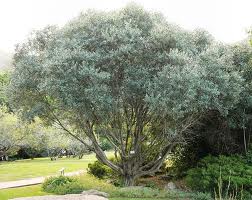
Olea europaea Africana -
African wild olive - antimalarial tree
ScienceDaily (2011-04-21) -- Research released in anticipation of World Malaria Day finds that plants in East Africa with promising antimalarial qualities -- ones that have treated malaria symptoms in the region's communities for hundreds of years -- are at risk of extinction. Scientists fear that these natural remedial qualities, and thus their potential to become a widespread treatment for malaria, could be lost forever.

Comments:

According to this article, researchers at the World Agroforestry Centre (ICRAF) and the Kenya Medical Research Institute (KEMRI), Common Antimalarial Trees and Shrubs of East Africa, are documenting and studying 22 of the region's malaria-fighting trees and shrubs which have been found to be antimalarial by both traditional medicinal practitioners and scientists.

Time is running out for these trees, though, because of deforestation and overexploitation for medical use without replacing the trees and cultivating new ones, but scientists are preserving them in a genebank as well as a nursery.

Here is one thing I want all alternative medicine lovers to be aware of, and it saddens me, too. The article states:
"Today, the world's newest, most-effective therapeutic treatment for malaria also comes from a plant, the Artemisia annua shrub. However, access to malaria therapies based on artemisinin compounds remains low -- around 15 percent in most parts of Africa and well below the World Health Organizations' 80 percent target. Additionally, the malaria parasite's ability to resist artemisinin is already beginning to emerge in Southeast Asia."
Here is our note of humility, humanity...

Mother Nature is in charge. She always was, and we will be one step behind her. Get a bacterial infection, then take an antibiotic, then the bacteria grows resistant to the antibiotic. Get an infection, then take an herb, then the bacteria grows resistant to the herb, too.

It's evolution in action, and there's nothing we can do to stop it. All we can hope to do is keep up, and try to maintain balance. But Mother Nature is crafty. Beautiful, mysterious, and creative, and has many tricks up her sleeve.

So just because it's an herb doesn't mean a parasite or bacteria won't develop resistance to it.

This aside: I really hope these scientists can protect and save as many of these trees as they can from destruction. It sounds like they are working hard on this problem. If they do, they may have in their hands future treatments for not only malaria but babesia, too.

Additional Sources:
http://www.worldagroforestrycentre.org/
http://www.kemri.org/

2) Learning to tolerate our microbial self: Bacteria co-opt human immune cells for mutual benefit

Source link: http://www.sciencedaily.com/releases/2011/04/110421141632.htm

B. fragilis
ScienceDaily (2011-04-22) -- The human gut is filled with 100 trillion symbiotic bacteria which we blissfully live with, although they have many features similar to infectious bacteria we react against. What decides whether we ignore -- or fight? In the case of a common "friendly" gut bacterium, Bacteroides fragilis, researchers have discovered the surprising answer: The decision is not made by us, but by the bacteria, which co-opt cells of the immune system for our benefit ... and theirs.

Comments:

So these scientists discovered that these friendly bacteria in mice, B. fragilis, can control regulatory T-cells in their immune system. These T-cells, by the way, are what protects our immune systems from attacking our own cells - they are basically anti-autoimmune cells.

B. fragilis can "trick" the immune system into activating these regulatory T-cells so they themselves will not get attacked.

How does this happen? The bacteria produces a molecule that receptors (called Toll-like receptors) on the regulatory T-cells pick up. When these regulatory T-cells get this "message", they suppress T helper 17 cells. By shutting those cells down, the bacteria is able to colonize the intestines.

This is not usually how Toll-like receptors are thought of - they are thought of as being part of a chain of communication in the immune system that works to get rid of bacteria - not keep it alive.

Question to my readers: What is the relationship between Toll-like receptors and Borrelia burgdorferi in people?

I'll give you time to research it if you don't know the answer, and will tell you next week.

Original Reference:
June L. Round, S. Melanie Lee, Jennifer Li, Gloria Tran, Bana Jabri, Talal A. Chatila, and Sarkis K. Mazmanian.The Toll-Like Receptor 2 Pathway Establishes Colonization by a Commensal of the Human MicrobiotaScience, 21 April 2011 DOI:10.1126/science.1206095

3) C. difficile increases risk of death 6-fold in patients with inflammatory bowel disease

Source link: http://www.eurekalert.org/pub_releases/2011-04/icl-cdi041911.php

Patients admitted to hospital with inflammatory bowel disease face a sixfold greater risk of death if they become infected with Clostridium difficile, a new study has found.

Comments:

The It-Could-Be-Worse News: A review published in 2010 estimated the overall mortality rate for patients with C. difficile to be 6 per cent.

Okay, 6%. I rather it'd be 0%, but 6% is a relatively small number compared to the rate of fatalities for other conditions.

The Bad News: Those most severely ill and the elderly are in a high risk for fatality from a nasty C. diff infection.

That's not good.

The Worst News: The mortality rate for IBD patients with C. difficile at 30 days was 25 per cent, compared with 3 per cent for patients with IBD alone.

25%. That's really not good.

I really don't know what to say to this other than it's scary. I hope research finds a way to prevent and cure IBD, and that we can prevent and more effectively treat C. difficile infections.

My advice:

1) Take your probiotics if you are using antibiotics. Eat yogurt  and/or take probiotics 3 hours after and before taking antibiotics daily.

2) Take Saccharomyces boulardii. There is some evidence it stops C. diff infections.

3) Avoid taking antibiotics unless it's absolutely necessary.

4) Get evaluated for Inflammatory Bowel Disease if you suspect you have it.

This not something to mess around with.

Original Reference:
 J.A. Karas et al. A review of mortality due to Clostridium difficile infection. Journal of Infection (2010) 61, 1-8.

4) 'Disease-Proof Mosquito' Could Spread Like Wildfire

Source link: http://news.sciencemag.org/sciencenow/2011/04/disease-proof-mosquito-could-spr.html

Scientists have identified several mosquito genes that, when tinkered with, decrease the mosquitoes' ability to transmit a virus or a parasite; they have also given the insects new genes that do the same.

My only comment for this is: Will we ever see a tick that is bred to not spread Lyme disease bacteria and coinfections? 

Is there anything beneficial in having any of these hosts carry these infections for anyone but the pathogenic agents? Any whatsoever at all?

No?

Then stop these pathogens in their tracks, please.
Read More

The Camp Other Song Of The Month


Why is this posted? Just for fun!

Get this widget

Lyme Disease

Borrelia

Bacteria

Microbiology